Sydney Open 2025
For one day only, Sydney Open 2025 invites the public behind the scenes of Sydney’s most significant buildings in a unique celebration of architecture, design and place.
On Sunday 2 November, Sydney will throw open its doors to over 55 buildings rarely seen by the public eye – from heritage icons to cutting-edge contemporary spaces. Presented by Museums of History NSW, this year marks the 21st anniversary of Sydney Open, and its biggest program to date. “Together, these buildings tell the story of our past while shaping the way we live, work and imagine the city’s future,” says Annette Pitman, CEO of Museums of History NSW.

Among the highlights is a selection of iconic heritage sites and recently completed buildings that are already contributing to a new chapter in the city’s architectural identity, as well as a series of exclusive talks, tours and open studios.
The opportunity to visit Sydney’s historic buildings offers a deeper understanding of the fabric of the city. The grand sandstone arches of Mortuary Station are the only surviving example of purpose-built Victorian funerary architecture in the country, while Parbury Ruins is an archeological site preserved beneath a modern residential development in The Rocks, where visitors can explore an excavated 1820s cottage and household relics. Meanwhile, the recently opened Qtopia Sydney in Darlinghurst transforms an Edwardian-era police station into the world’s largest centre for queer history and culture.

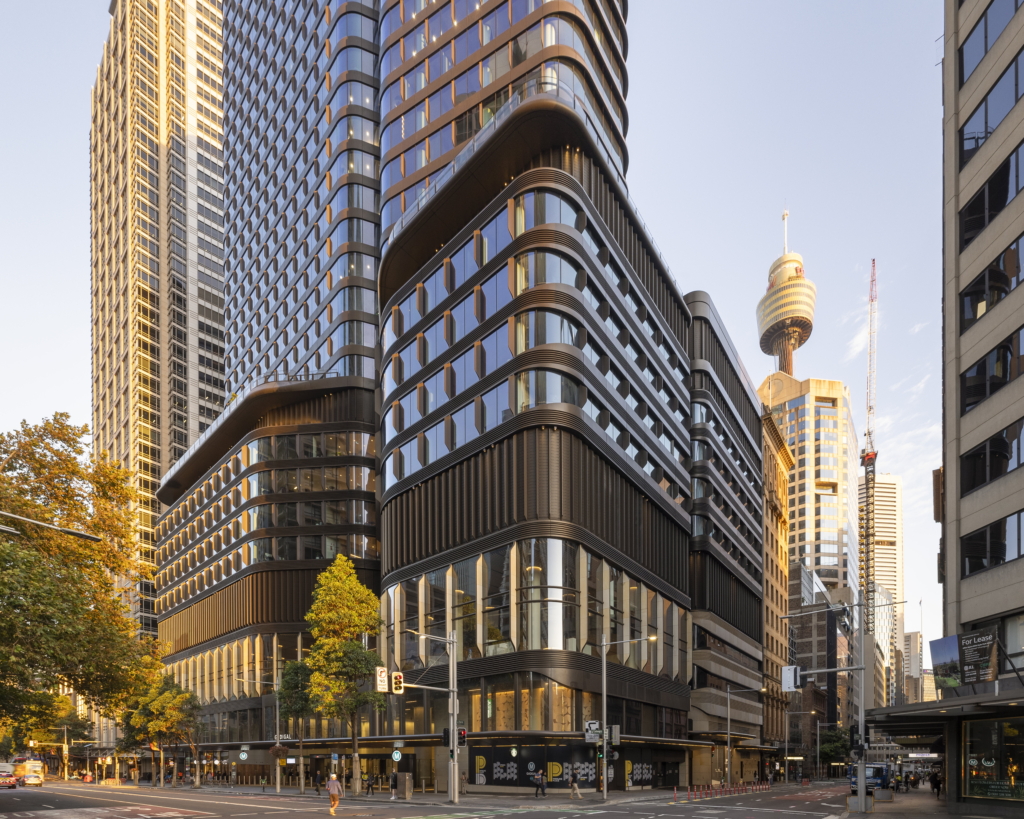
In the CBD, the award-winning 1 Elizabeth by Johnson Pilton Walker is a modern marvel – its curving, reflective facade rises above the new Sydney Metro Martin Place Station. Designed as a multi-use commercial space and innovatively integrated with transport, the building has revitalised an entire city block. Lifted on 15-metre columns above the street, it allows light and air to flow through the public space below. It is linked to the stately 1920s banking chambers of 50 Martin Place via footbridges across the original light well, connecting both old and new parts of Sydney.
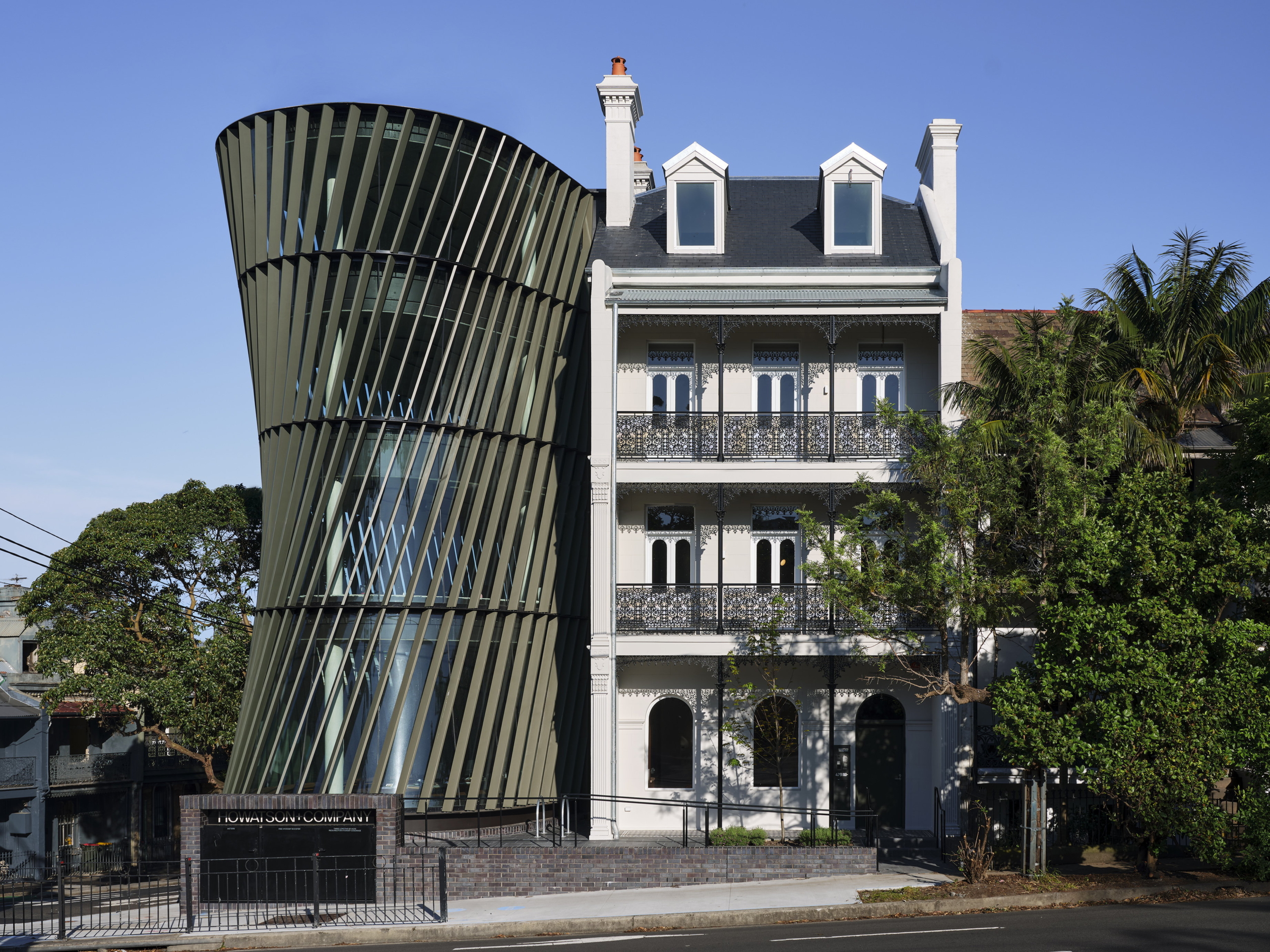
In Surry Hills, Bundarra by Smart Design Studio and Those Architects also merges the contemporary with the historic. Set on a corner site, the structure brings together a dynamic, twisted modern addition – created through angled zinc fins attached to a curved glass curtain wall – and a faithfully restored Victorian terrace. The home of creative agency Howatson+Company, it captures the dynamic, innovative energy of the company. At midday, architects Dominic Tanaka Van De Ven and Ben Mitchell will lead a talk on site, unpacking the layered process behind Bundarra’s striking mix of heritage and modern elements.


Naala Badu is the Art Gallery of NSW’s newest addition, designed by Pritzker Prize-winning architects SANAA with support from local firm Architectus. Translated as ‘seeing waters’, one of its most unique features is a World War II-era fuel tank which has been transformed into an immersive, subterranean art space. Visitors will be able to take 60-minute behind-the-scenes tours including The Tank’s current installation The Key’s Under the Mat by Mike Hewson.
The Pier Pavilion at Barangaroo stands as a new model of sustainable urban design. Designed by Besley & Spresser, the structure is topped with a living roof and clad in terrazzo made from half a million recycled oyster shells. Architects Peter Besley and Jessica Spresser will be on site over the course of the day to discuss their ideas behind the structure – a delicate balance of biophilic design, site-responsive materiality and community use.



For those curious about the process behind the designs, Sydney Open also provides rare glimpses into several working architecture studios. This includes the office of renowned global studio BVN Architecture at 255 Pitt St. Located in a reimagined 1975 office space stripped of internal walls, carpet and ceiling, it reads as an open, mobile design lab. Visitors can see BVN’s model makers and 3D-printing robots at work and try out immersive VR and AR experiences.
Other prestigious studios are housed within landmark Sydney buildings themselves, their settings reflecting the city’s layered architectural history. In the 41-storey Aurora Place, designed by Renzo Piano to celebrate the 2000 Sydney Olympics, you’ll find PTW Architects – a practice with a history stretching back to 1889, whose legacy is evident in many of the buildings on the Sydney Open program. International studio Hassell occupies three floors of a historic wool store within Pier 8/9 in Walsh Bay, while fjcstudio’s brand-new office sits on level 6 of Australia Square, Harry Seidler’s iconic tower.
Meanwhile, the magnificent Parkline Place by Foster + Partners, situated above the Gadigal Metro Station, is open for tours of its unoccupied 34th floor and ‘Civic Vision’ exhibition – the first comprehensive survey of the firm’s work to be held in Australia, covering groundbreaking projects such as the London Gherkin and Parkline Place itself.
Through this diverse and thoughtful program, Sydney Open 2025 offers rich insights into Sydney’s urban life and culture, revealing how the city’s history is constantly shaped through architecture, design and innovation.


