Pattern Studio
Since launching Pattern Studio in 2015, Josh Cain and Lily Goodwin have established themselves as designers of playful yet pared-back interiors.
Designing for international fashion labels Chloé and Birkenstock, independent darlings Nagnata and Deiji Studios, and well-loved hospitality venues like Three Blue Ducks and No 92, the co-founders are celebrated for thinking differently about spaces and how people experience them.

Talking to the pair, there is a sense of the down-to-earth perspective that shapes such generous, deeply considered designs. Based in Byron Bay and Sydney, Goodwin and Cain – partners in work and life – met while working for a large-scale architectural firm in Perth. Pattern Studio was soon born out of a desire for a faster-paced, less-hierarchical approach. “We were blessed with the naivety of being in our twenties and having that kind of ignorance and fearlessness,” says Goodwin. “We just thought, ‘Why don’t we try doing something on our own?’”
Largely self-taught, Cain came to interior design through fashion and architecture, developing a flair for both big-picture thinking and attention to detail. “I have a keen interest both in the development and finessing of bespoke elements and the more macro parts of the job – understanding the mechanics of spaces and working out how to bring projects from ideas into reality,” he says. Goodwin has a more academic background to draw from. “I had a more theoretical and philosophical entry into design … I find design history endlessly fascinating,” she says. “Understanding design as a response to culture is an important part of how we work.”


This mix of intellectual rigour, pragmatism and creativity is what sets Pattern Studio apart. While their work is stylistically varied, a consistent thread throughout is an intuitive sensitivity to how people use space and feel in it. “Experiential spaces are absolutely core to us as designers,” says Goodwin. “We talk about the experience of the space before we talk about what it’s going to look like.” Cain adds: “We aim for the space to enhance the experience – to create warmth, elegance, maybe whimsy or a sense of playfulness. We think the interiors should be a harmonious element in the mix, rather than an overly dominating presence.”
Thoughtful restraint has become something of a signature for the duo, evident in their chic yet understated retail fit-outs for the likes of St. Agni in Bondi, Song for the Mute in Sydney, Nagnata and Deiji Studios in Byron Bay’s Jonson Lane precinct and Above The Clouds in Sydney and Melbourne. “We have a philosophy of doing only what needs to be done and nothing more,” says Goodwin, while Cain adds, “Our most memorable hospitality and retail experiences are shaped by more than just the interior – it’s the people, the sound, the product.”
In these projects, Pattern Studio aims to capture a brand’s essence while challenging ideas about what a retail space can be. “Subverting conventions! That is very much our main jam,” notes Goodwin. “I love thinking about what happens when we explode them.” The Song for the Mute flagship store in Sydney picked up a 2024 Australian Interior Design Award with a concept that includes inventive modular retail pods. The Deiji Studios fit-out also pushes the envelope with its gallery-like interior and freestanding, sculptural fitting rooms made of glass bricks and inspired by the Noguchi Garden and Richard Serra’s inhabitable artworks.
The Pattern Studio design process is immersive, collaborative and individualised. “Each project is super bespoke,” notes Goodwin. “We are usually developing things for the first time, and we don’t really reuse a lot of work. So, from a design perspective, it’s really varied, which keeps things exciting and interesting.” The couple work with a wide-ranging and diverse mix of collaborators – artists, surfboard shapers, automotive fabricators and even costume designers – to bring these unique elements to life. “We have found inspiration from music, poetry and philosophy. It’s such a privilege to be able to weave that through our work.”


Working with independent businesses means aiming for high-end, highly creative outcomes on ambitious budgets. “We don’t insist on every spec being exorbitantly expensive,” says Cain. “We aim to create impact in careful ways.” This also speaks to the pair’s sustainable mindset. “We don’t think we should be fitting out spaces from scratch every three years. It’s incredibly wasteful,” explains Goodwin. “For independent brands in particular, it’s also not practical, achievable or viable financially. We want to advocate for enduring and timeless spaces.”
Now at the decade mark, Pattern Studio is reflecting on what’s to come in the years ahead. “We’re tinkering away with the structure of the business, with the end goal for it to be a little less taxing,” states Goodwin. Upcoming projects include a mix of residential and commercial work, including a restaurant and wedding venue at Sydney’s Whale Beach Surf Life Saving Club, workspaces and showrooms for design-focused companies and a wellness project in Western Australia. No doubt these new ventures will reflect the deep curiosity, compassion and consideration that continue to drive Pattern Studio to new heights.
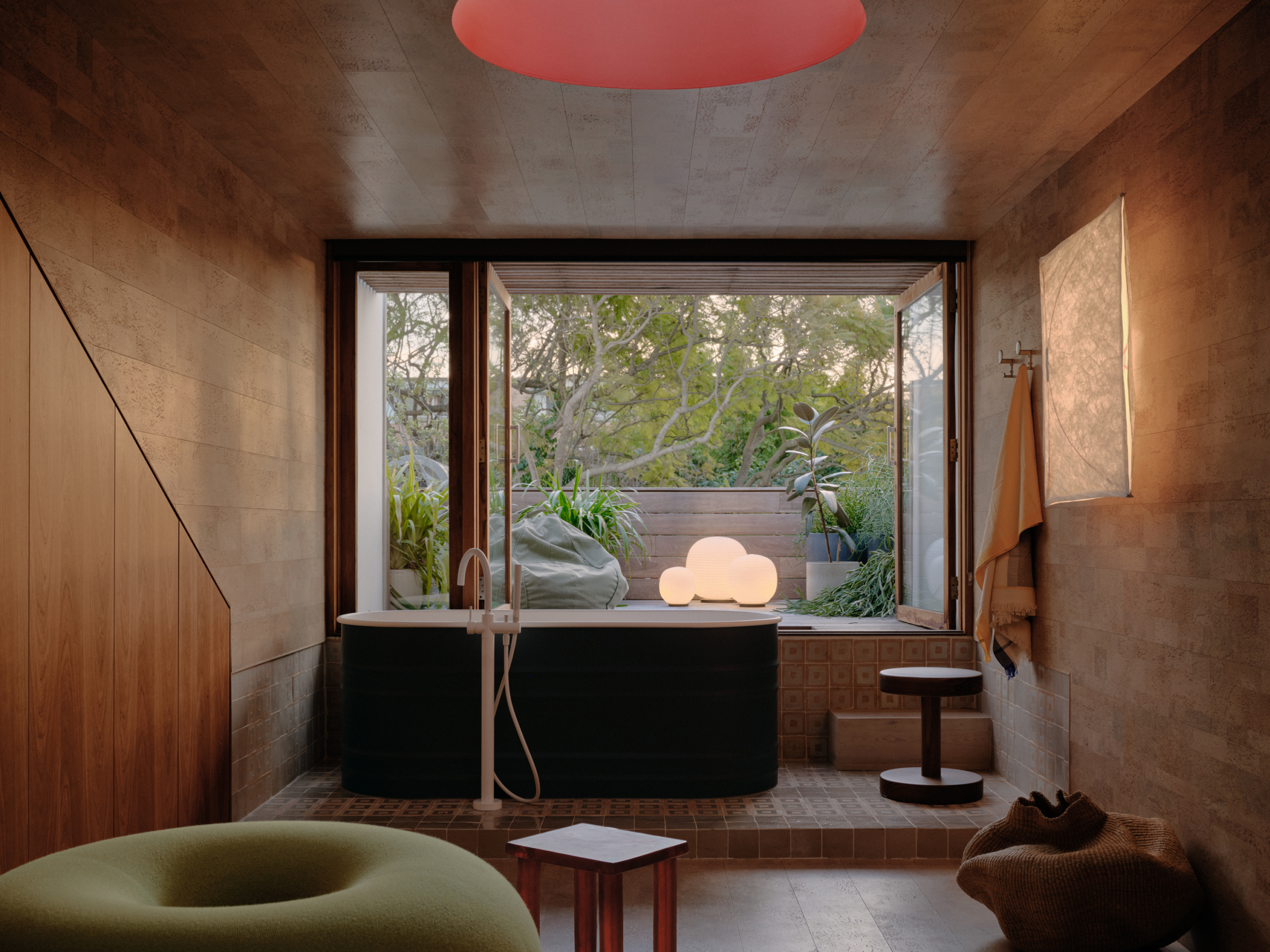
Interior design by Pattern Studio.