2026 Winners Announced
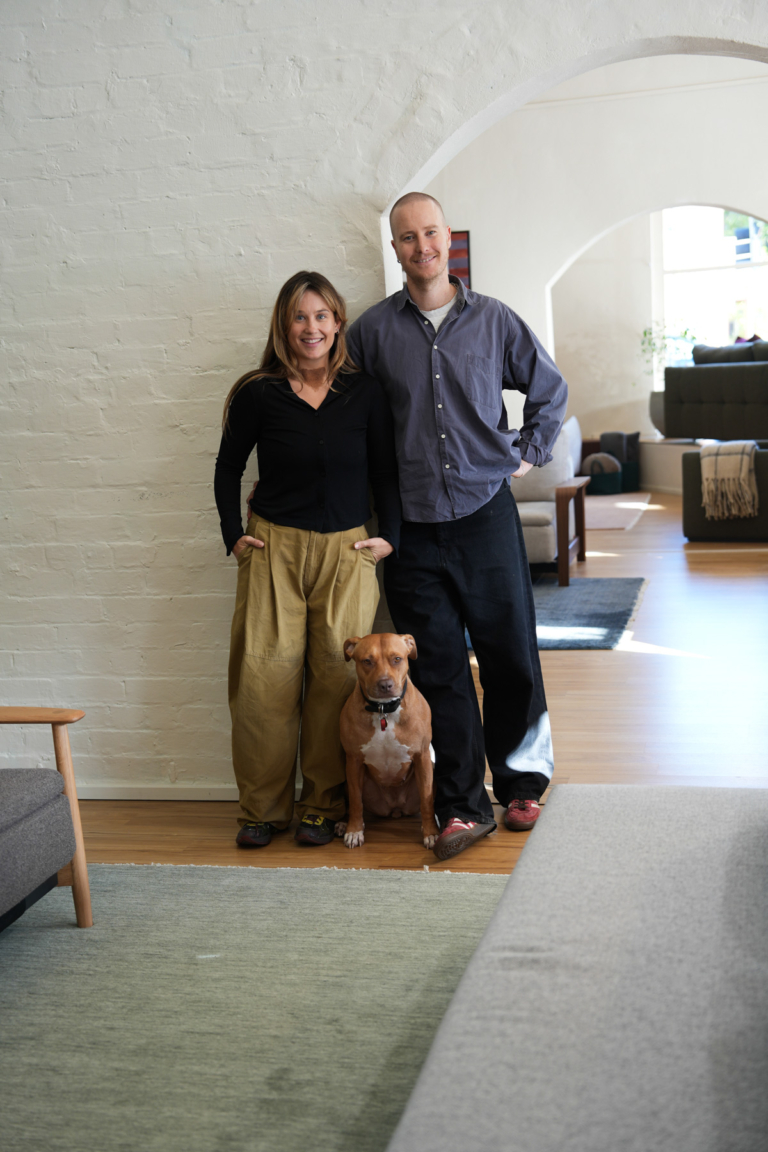
Sydney architecture and interior design practice Youssofzay Hart and Auckland’s Pac Studio have won the Australian and New Zealand Grand Prix titles, respectively, at the 2026 Dulux Colour Awards.
A groundbreaking ceramics installation and a sublime harbourside home by, respectively, Youssofzay Hart and Pac Studio are the major winners in the 2026 Dulux Colour Awards, which celebrates its 40th iteration this year. They took out the Australian and New Zealand Grand Prix titles at a ceremony at the Sydney Opera House on 27 May.
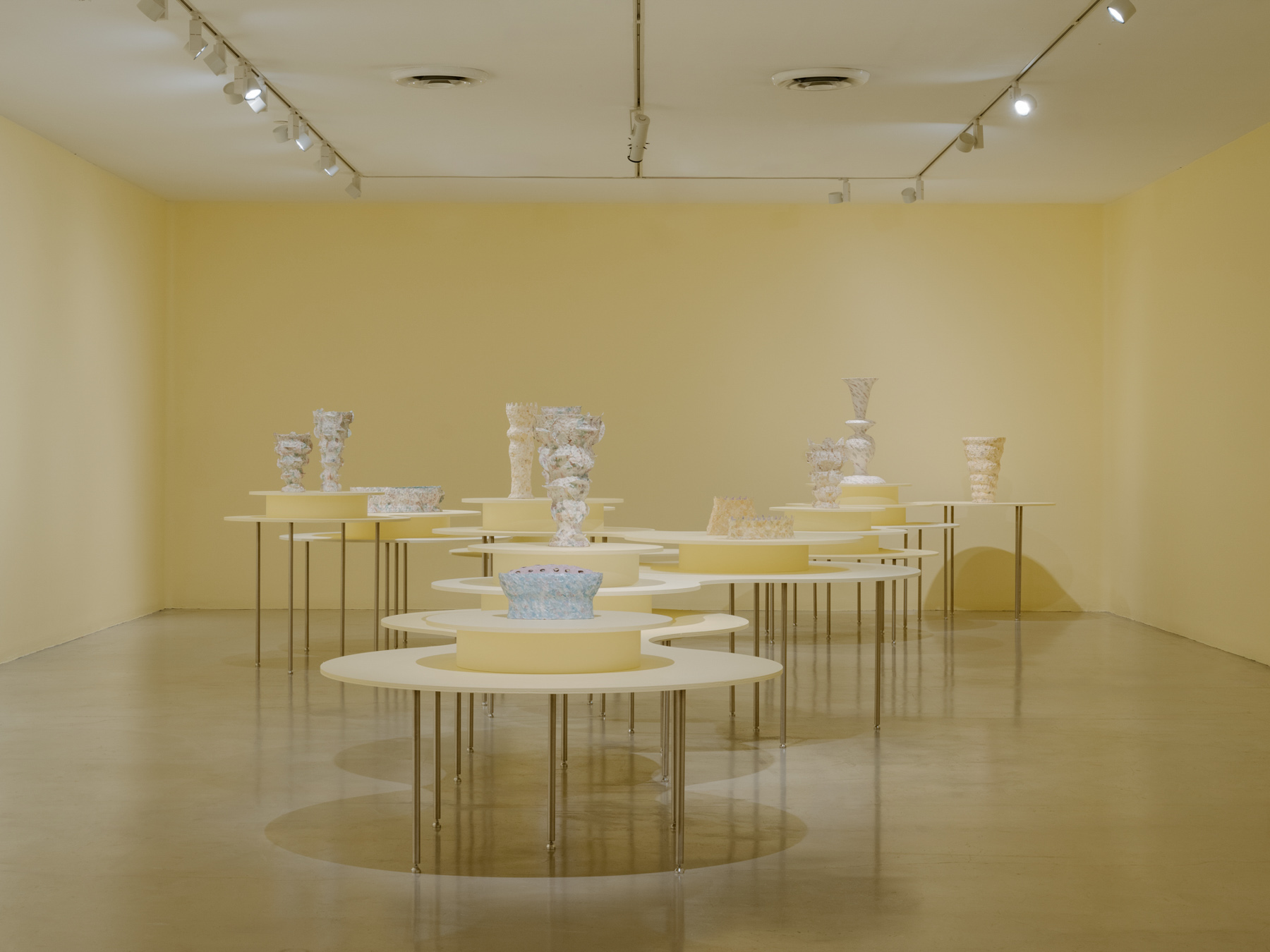
Youssofzay Hart’s win, for Lynda Draper: Glimmer, was the surprise of the night, being the first time the overall winner has come from the Temporary or Installation Design category. Created at Campbelltown Arts Centre as a survey exhibition of ceramicist Lynda Draper, the project drew on subtle hues within Draper’s work to create a modular topographic display system. The judges lauded the project’s “clear execution and beautiful colour concept”, one that challenged stereotypes around exhibition design while offering lessons applicable across interiors more broadly.
If the Australian Grand Prix entry opted for chromatic restraint, the New Zealand Grand Prix winner embraced the opposite. Pac Studio transformed an Auckland harbourside home, Waka Huia, into a kaleidoscope of saturated colour. The judges praised the project’s unexpected combinations and craftsmanship, while Dulux’s colour and design manager, Lauren Treloar, described it as “the breathtaking result of the architects’ deep understanding of the theory, their conviction and capacity to collaboratively create a scheme of saturated colour”. The project was also commended in the Residential Interior category.
The Residential Interior itself was taken out by Studio Shields for The View in Victoria’s Yarra Valley, while Single Residential Exterior was awarded to Studio Prineas for Nithsdale in Stanmore, Sydney. Across the two projects, colour was used to create a sense of nostalgia, warmth and intimacy. Enveloping tonal schemes were used throughout both to heighten the overall sense of saturation – with warm reds and earthy yellows used on the ceilings, skirting boards and architraves of The View, while two Dulux greens, Bronze Icon and Tambo Tank, drenched the exterior of Nithsdale.
Retail projects, meanwhile, took a dramatically different turn, embracing the tenet that less is more. “While residential projects are trending warm and comforting, retail is turning to minimalism, using subtle blues and greys and evoking dystopian sensibilities,” says judge, interior designer Simone Haag. This was evident in the Commercial Interior –Workplace & Retail winner, Above the Clouds in Melbourne by Pattern Studio, which used pops of pale sorbet tones to create a chic, otherworldly atmosphere. The moody and muted neutrals of Lost Profile Gallery by Nickolas Gurtler Office – also in Melbourne – received a commendation.
Hospitality spaces again leaned to maximalism, with the Commercial Interior – Public & Hospitality award going to Billy’s, Ayrburn by Alexander &CO. and SA Studio – a Chinese restaurant set within a restored 1890s homestead in Queenstown, New Zealand. Here, decadent use of colour and texture is a key storytelling device as each of the five dining rooms offers a different hue, inspired by the homestead’s original female occupants. Flack Studio’s richly maximalist Hannah St Hotel in Southbank, Melbourne, received a commendation.
For exteriors, colour was used as a key placemaking tool. The Commercial and Multi-Residential Exterior award went to Linewide Graphic Trail by Moving Colour Studio, an expansive infrastructure art project that transformed a Perth underpass into a vivid urban landmark. In New Zealand, Te Pākau Maru by Kāinga Maha was commended for its more subtle but equally contextual approach to multi-residential housing design.
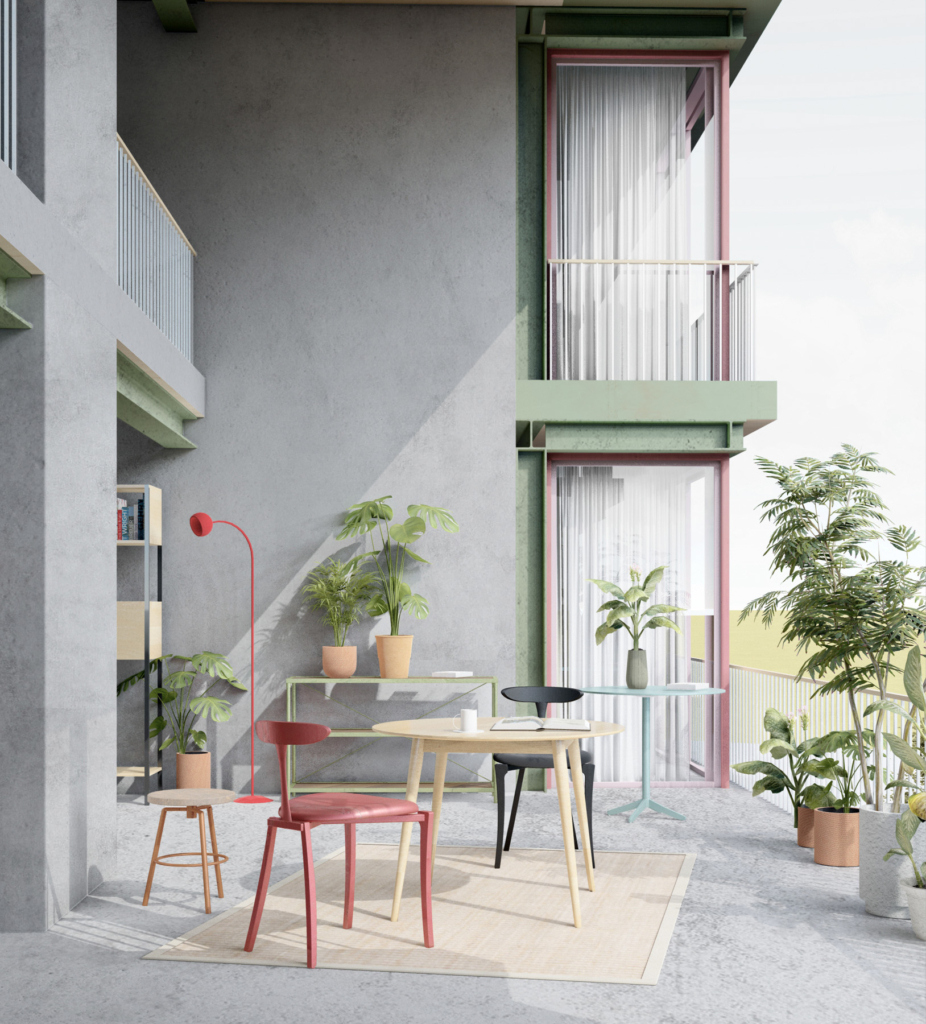
Meanwhile, the student winners pointed to an ambitious and experimental future. Australia’s student prize went to 402 Telopea – Ordinary Luxury, a reimagining of existing social housing by Jasmine Duong and Minji Kwon from the University of Sydney. New Zealand’s winning project was a four-day hiking trail titled hot & cold by Hudson Ross from Otago Polytechnic, with small, colourful built elements peppered along the route.
The awards celebrated a milestone year for 2026, with a record number of entries and a winning field that pushed far beyond decorative colour choices into something more conceptual, immersive and emotionally engaging. As Lauren Treloar puts it, the awards recognise “colour as an integral design tool”, applauding those who “most masterfully employ it to enhance our user experience”.