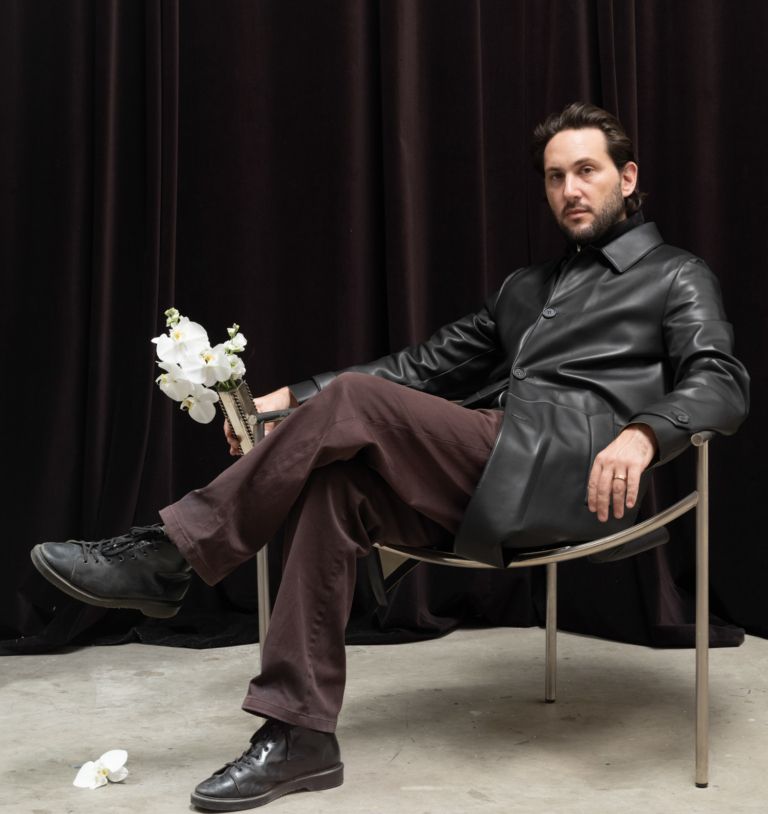
Dean Levin of 22RE
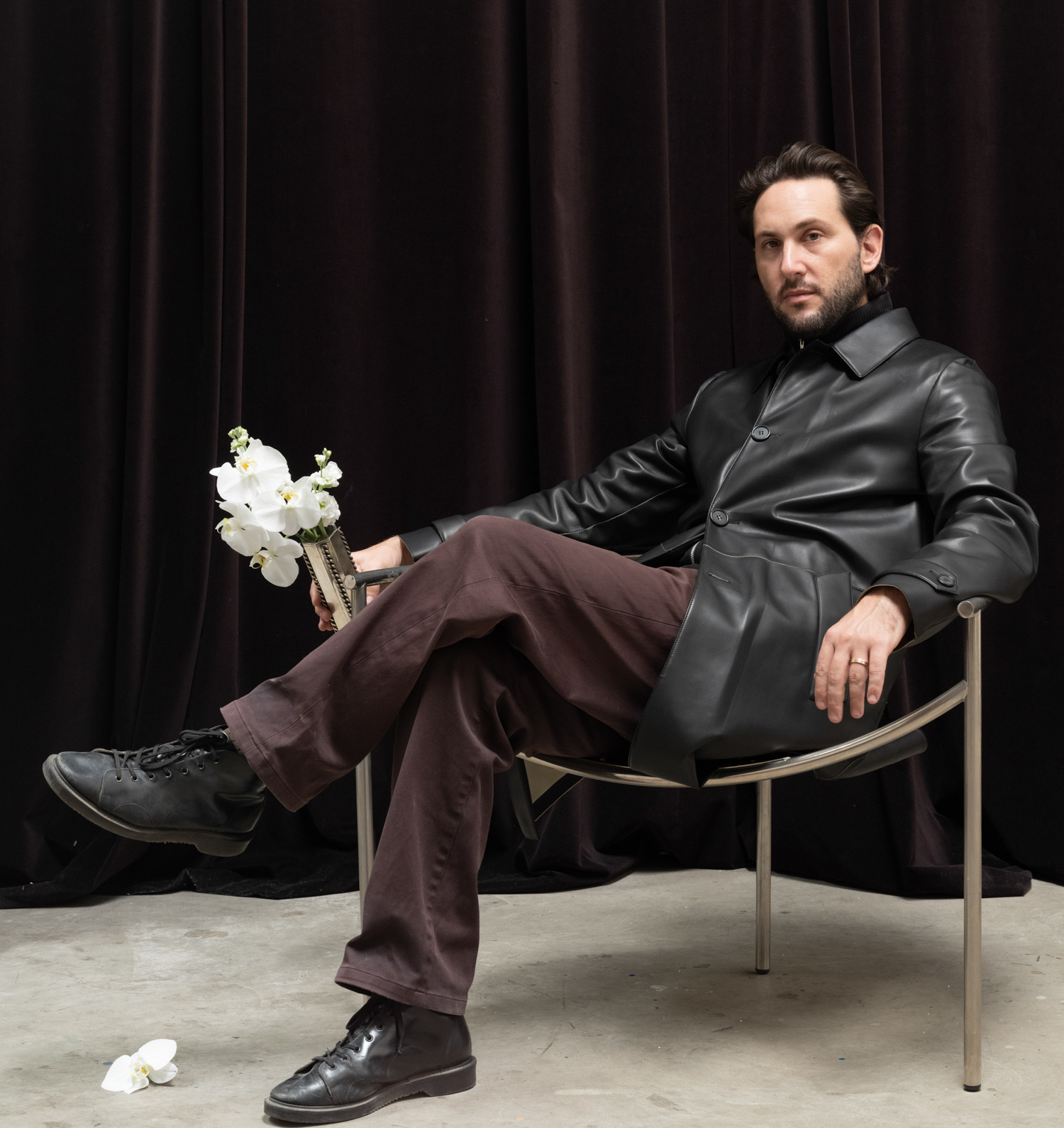
Dean Levin’s multidisciplinary practice 22RE – founded in 2021 – produces residential and commercial projects that are shaped by material exploration and a dialogue between disciplines.
The architectural vernacular of Los Angeles is informed by a range of cultural influences and climate-driven experimentation. Mediterranean traditions sit alongside Japanese sensibilities, Spanish colonial forms coexist with mid-century modernism, and contemporary studios continue to reinterpret this hybrid legacy.

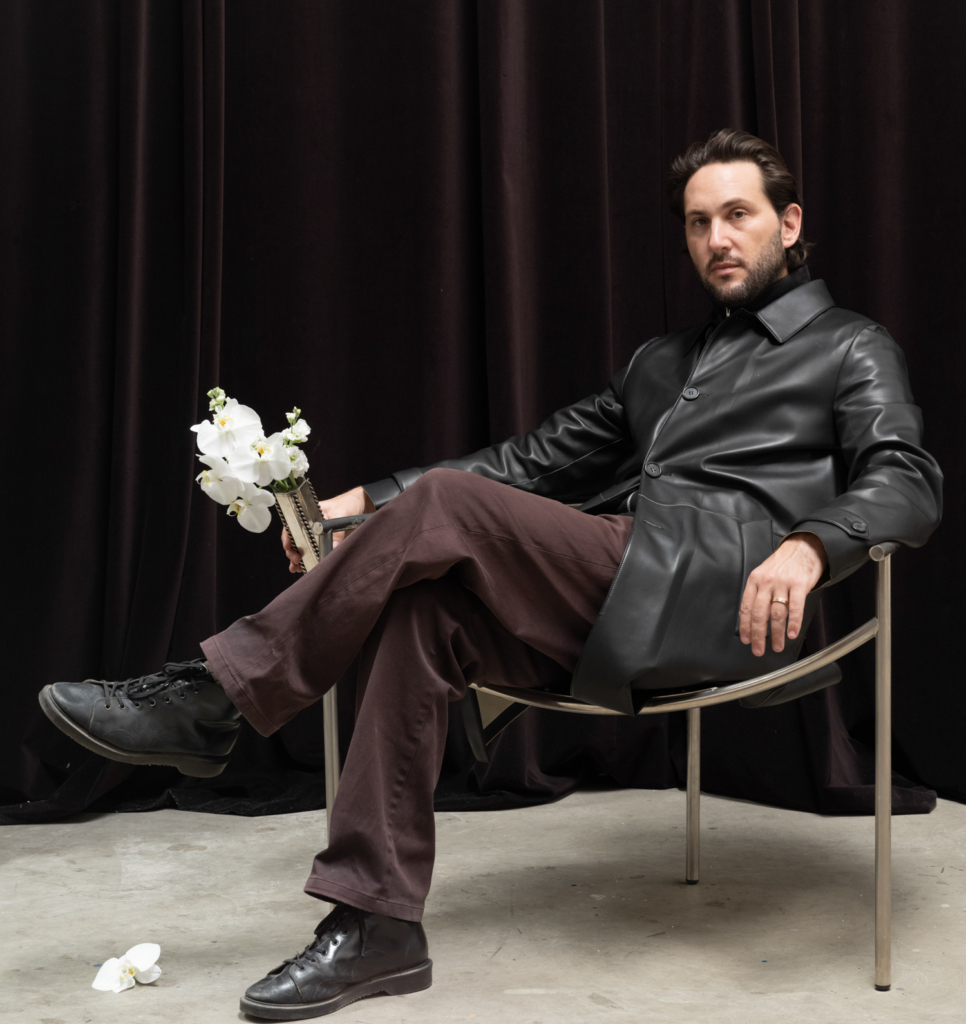

Within this environment, Levin was exposed to creative culture from a young age thanks to his mother, a fashion designer who travelled regularly to Paris and Tokyo, returning home with glimpses of an international design world that extended far beyond Southern California. Levin had planned to pursue fashion but ultimately studied architecture in New York – a pragmatic decision fuelled by a deeper engagement with spatial thinking and design, and formative experiences linked to the architectural history of California. “Having grown up in LA, there were a lot of beautiful mid-century homes around me,” Levin recalls. “That kind of architecture was just visually available.”
Following graduation, however, Levin’s interests shifted away from architecture and towards art. Drawn to sculpture, he developed an experimental practice exploring relationships between form, the body and perception. At the time, architecture felt distant from what he understood the discipline to be.
“I was looking at architects like Rem Koolhaas and Herzog & de Meuron doing these large cultural projects,” he explains. “I thought that was what architecture was – something huge and world-changing. As a young person, that felt unattainable.” His work in sculpture, by contrast, offered a more immediate way to engage with space while remaining inherently architectural.
That perspective began to change after his return to LA. During the early months of the pandemic, Levin purchased and renovated a house for himself, working closely with tradespeople and fabricators throughout the process. The experience reintroduced Levin to architecture – this time not as an abstract discipline, but as a collaborative act of building.
“When I was working as an artist, I spent most of my time alone in the studio,” he says. “But once I started renovating the house, I was suddenly working with carpenters, electricians and plumbers. It felt communal – almost like directing a film.”
The renovation inadvertently marked the beginning of 22RE. Images of the project circulated online and friends soon began asking Levin to design their homes. What began with informal commissions gradually developed into a structured practice, and Levin hired his first employee shortly thereafter.
From the outset, he wanted to avoid the model of a singular authorial studio. Instead, 22RE operates as an atelier in which design evolves through collaboration. Today, the team comprises eight designers working within an open environment. Levin sits alongside his colleagues, reinforcing a culture where hierarchy is rejected and ideas circulate freely. This structure has become central to the identity of the young firm.
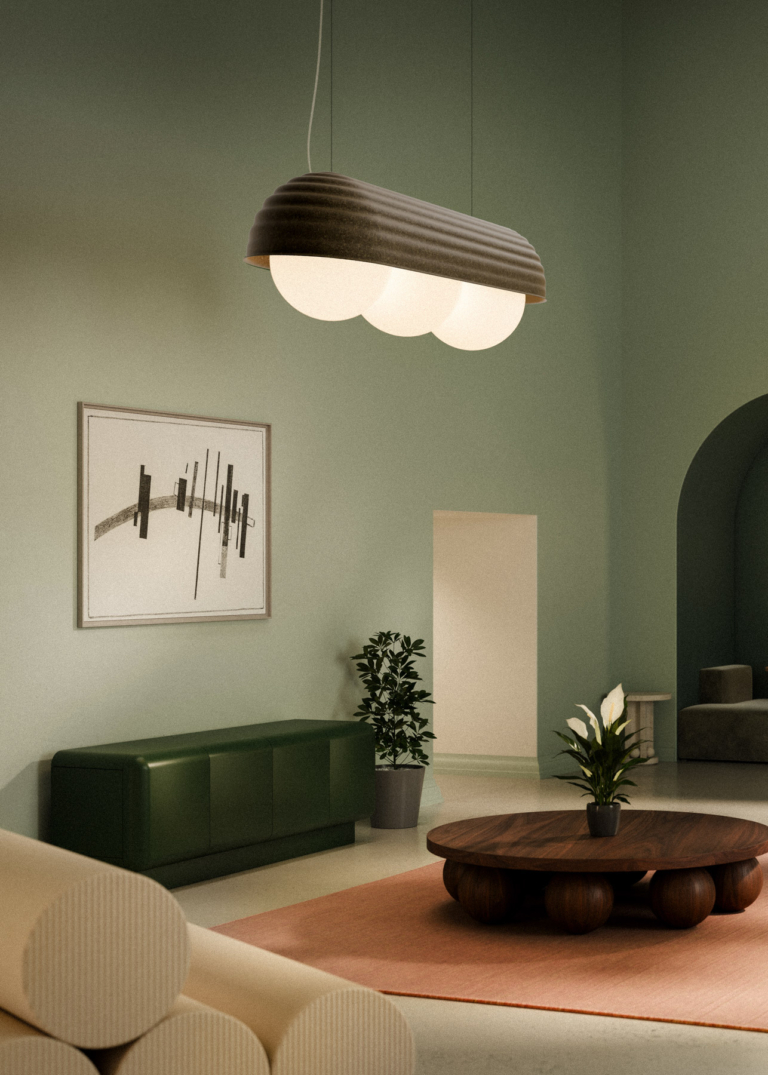
Equally important is the range of typologies the studio works with. Rather than specialising early, 22RE has developed projects across both residential and commercial sectors, allowing ideas to form organically. Designing someone’s home, Levin explains, involves a level of intimacy that shapes both the process and outcome, requiring close relationships with the clients and a deep understanding of how they want to live. Commercial work, by contrast, allows for greater experimentation. “It’s almost like a sculpture show or an art installation,” Levin enthuses, noting that these environments allow ideas to be tested in ways that push past domestic constraints.
For the studio, however, these typologies remain closely connected. Concepts developed within one context frequently inform another. Residential projects may incorporate elements inspired by hospitality environments, such as kitchens that adopt industrial components typical of a restaurant, and vice versa. This exchange allows ideas to evolve across scales and programs, creating interiors that resist categorisation.
LA remains an important point of reference for the studio’s work. The geography and cultural diversity create an environment where architectural languages continually intersect. European approaches – in particular, Mediterranean and Belgian interiors – coexist with Japanese design ideals, forming a framework within which the studio develops its projects. “One of the interesting things about LA is that you’re constantly encountering different design cultures,” Levin explains. “In many ways, our work is inherently Southern Californian in the way it blends these influences.”
The climate also shapes how spaces are conceived. Mild weather and expansive landscapes encourage continuity between inside and outside, reinforcing a sensibility that prioritises light, openness and natural materials. This approach is evident across the studio’s work, from residential projects to workplaces such as the Day Job office where skylights, a central “piazza” and varied floor levels introduce an open, outdoor-like spatial logic within a commercial setting.
As 22RE continues to evolve, the firm faces a familiar question for emerging practices: how to grow while maintaining the intimacy that initially defined its work? “When you first start a studio, you think you have a very clear aesthetic,” Levin says. “But as you work, you begin to expand that perspective.” Rather than pursuing a fixed stylistic identity, the studio continues to refine its approach through ongoing exploration – testing ideas across residential and commercial settings while drawing from the layered cultural fabric of LA.