New American Contract Model
How Uhuru, a small-batch workplace furniture studio in New York, scaled nationally – while maintaining both its design and material integrity.
There is a familiar fork in the road for independent design studios: stay small and preserve the purity of the work, or scale up and risk sanding off the very edges that made the studio distinct. Uhuru has built a third path. What began as a small-batch practice in Brooklyn is now a nationally recognised design and manufacturing partner, delivering complex workplace programs while holding tight to material and design integrity.
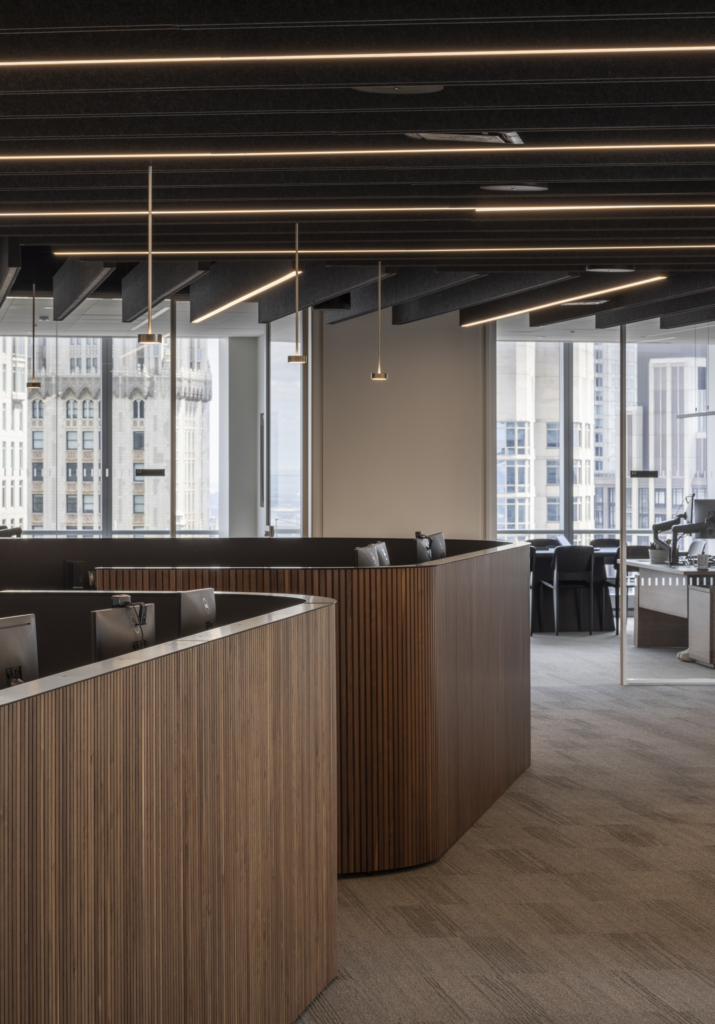
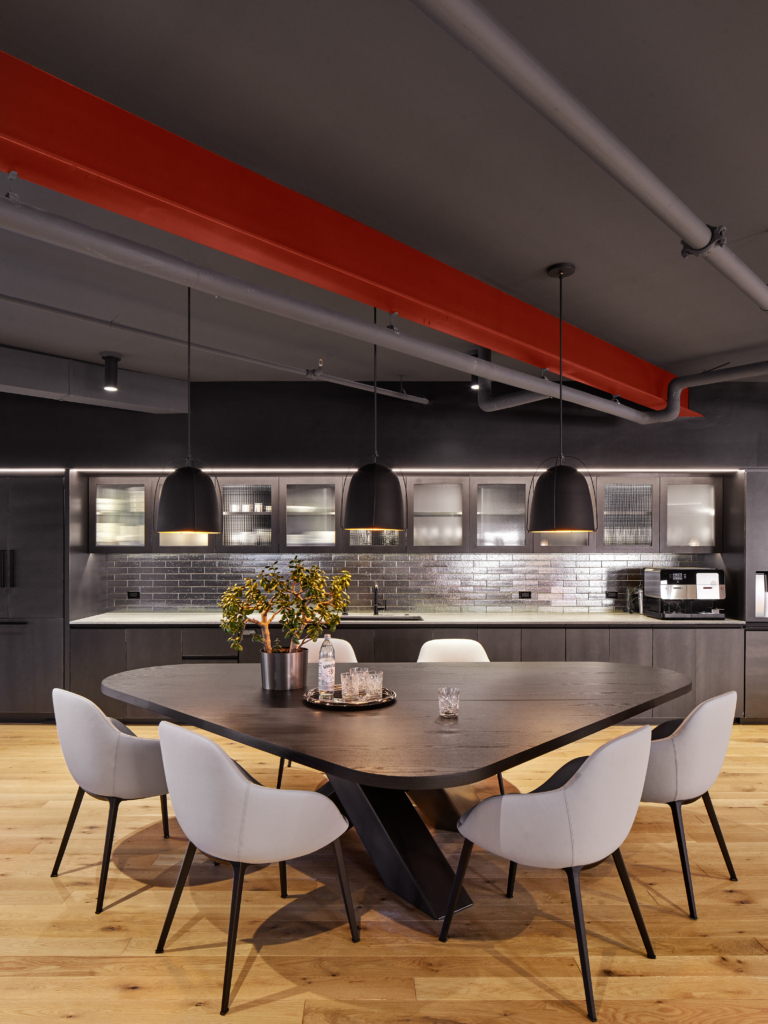
The shift is not simply about making more pieces. It is about changing the way contract furniture is conceived. In the legacy contract world, solutions are often selected from a catalogue and retrofitted to a brief. Uhuru flips that process. Through its custom and co-design services, the team work directly with clients to develop furniture engineered for operational needs, brand identity and long-term workplace strategy. The roster spans tech, finance and hospitality – from Nike and WHOOP to Food52, Shake Shack, J.P. Morgan, Citadel, Kith and Coinbase– with collaboration as the constant.
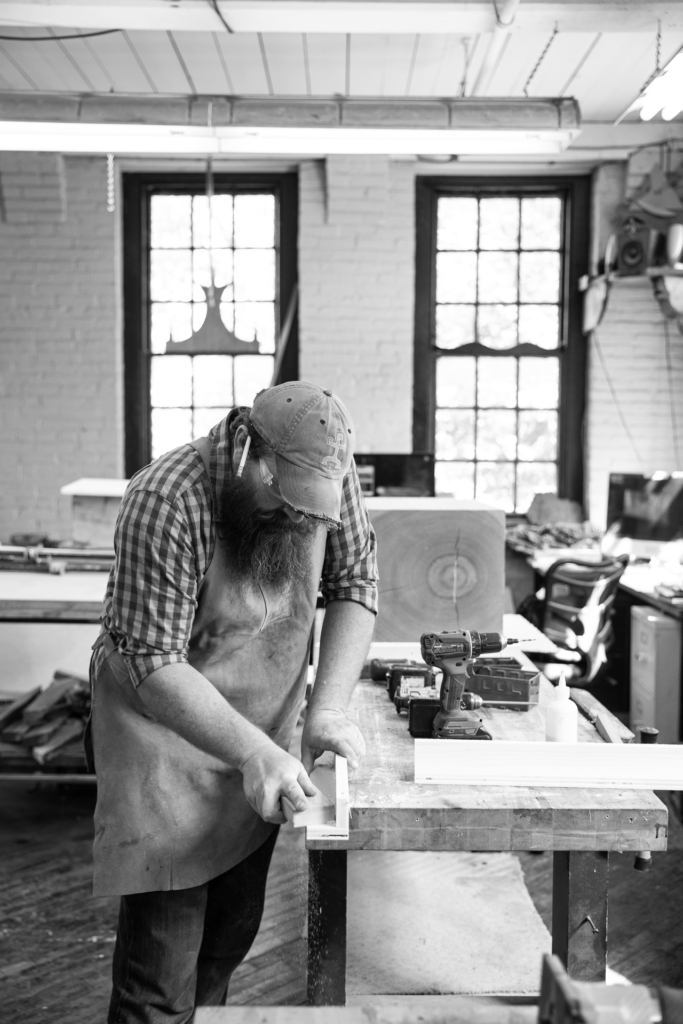
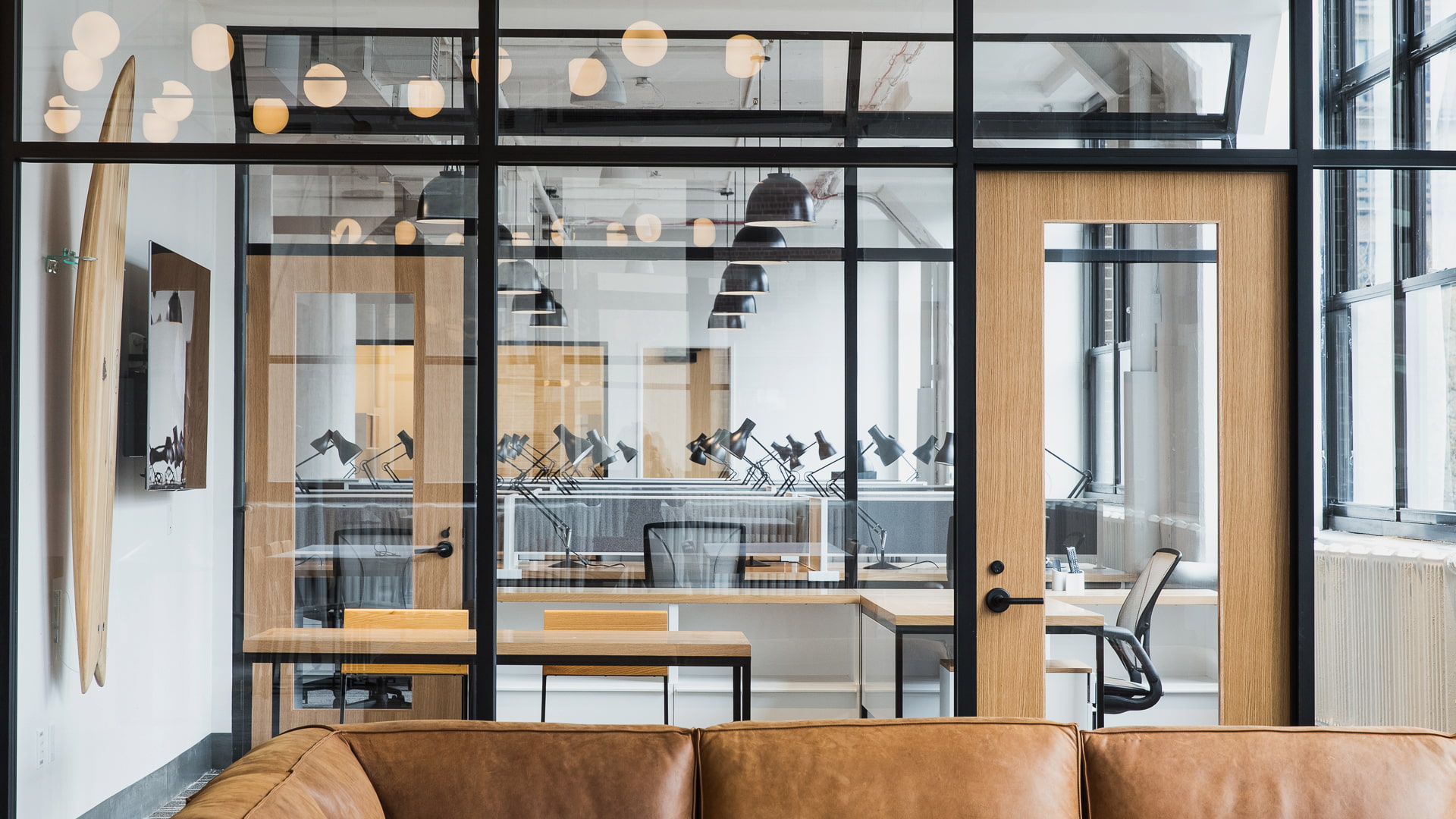
That collaboration is made practical by a model that pairs agility with in-house engineering and production. Inside Uhuru’s 4,600-square-metre manufacturing operation, craft becomes a repeatable discipline: precision joinery, integrated steel and wood systems, prototyping, and the ability to iterate quickly without losing control of the outcome. Material intelligence sits at the centre – not as nostalgia for reclaimed timber, but as a performance-driven commitment to durability, tactility and longevity in high-traffic environments.
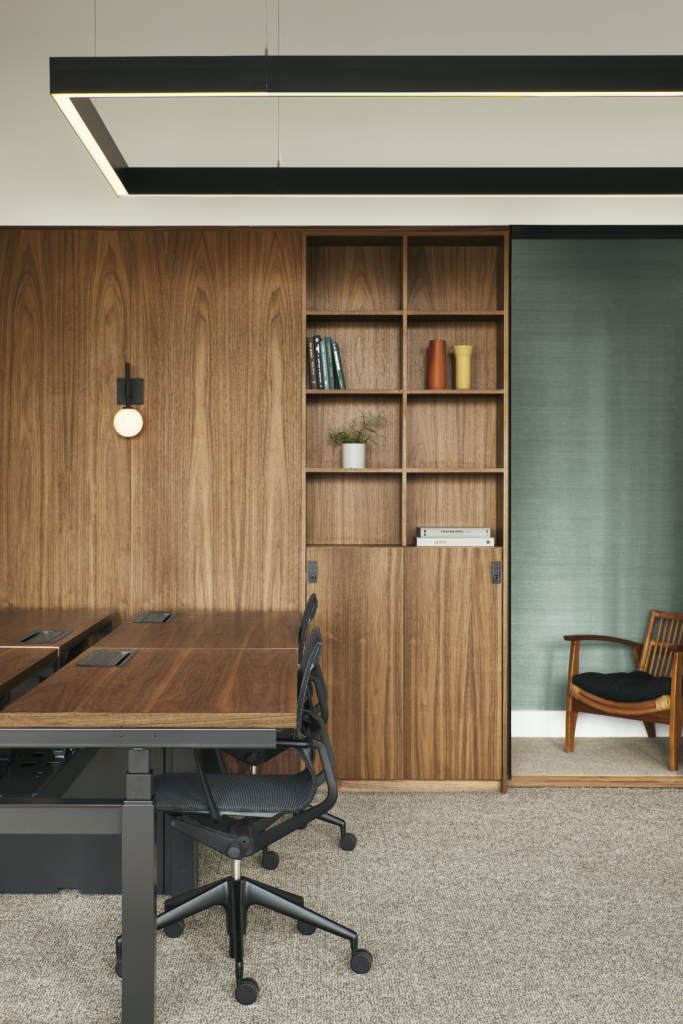
System furniture is where the methodology becomes most visible. Rather than treating conference tables, executive desks and meeting platforms as isolated hero objects, Uhuru designs cohesive ecosystems – modular kits of parts that flex across teams, floors and future growth. The Minim Conference Table System, recognised as a 2020 #MetropolisLikes NYCxDesign winner, and the Minim Private Office System, which won a 2022 NYCxDesign Award, show how a strong design point of view can coexist with the logic of standardisation. Minim Storage extends that thinking across the workplace, creating a language that feels tailored without becoming fragile.
This is a new American contract model: boutique in design conviction, contract-grade in performance, and direct in the way it partners with clients. By redefining “custom” as a scalable, systems-based methodology, Uhuru bridges the gap between contract giants and boutique studios – proving growth does not have to come at the expense of integrity. For institutions seeking individuality without operational risk, it offers a compelling blueprint for the workplace now taking shape.