Starting an Interiors Studio
Establishing an interior design studio is challenging, but as Alexandra Morandini and Rhiannon Curll of Mori & Curll discovered, education, connections and finding your own voice are key. Here, they share their biggest learnings.
When Alexandra Morandini and Rhiannon Curll met in the final trimester of their Bachelor of Interior Design (Commercial) degree at Billy Blue College of Design in Sydney, they had an instant rapport. It wasn’t just a personality click: they shared a common design language, too, one that placed equal emphasis on functionality and form and embraced colour, pattern and texture.
The idea of joining forces to create an interior design studio came during one of Billy Blue’s portfolio classes, sessions that often include guest designers and industry professionals offering feedback and career advice. One of those guests suggested the pair would be a natural fit for each other – and so, in 2020, Mori & Curll was born.
Starting an interior design studio comes with its own set of unique challenges, but the duo felt that the degree at Billy Blue – the design faculty of Torrens University – provided an incredibly good grounding. “We weren’t only taught technical skills and foundational knowledge,” says Curll. “Billy Blue also gave us the confidence and support to know that we could establish our own studio. Connecting with the design world while we studied was really important, too: setting up amazing opportunities for us to meet industry leaders, visit different design studios and venture into supplier studios really boosted our confidence further.”
For Morandini, credibility, technical skills and respect for the industry were all key takeaways from the three-year degree. “Obviously, the technical skills you learn create the foundation to actually design spaces,” she says. “Credibility is also important in the industry and it’s becoming even more so as regulatory reforms move forward. Without our degree, we wouldn’t have the same kind of understanding of the industry – things as basic as finding suppliers to understanding the Australian Standards. You also gain a greater respect for what’s involved in design when you learn from professionals within the industry.”
Being armed with technical and creative knowledge is hugely important, but practical real-world issues proved to be a steep learning curve. “Our biggest challenge was the non-creative side of things – like how to set up a company, insurance, accounting and getting a handle on what to bill,” explains Curll. “Luckily, we have family who have owned businesses so they really helped us in the beginning. But doing the back-end stuff was a massive learning experience.”
Creating a network of clients is obviously integral to a studio’s success, and the designers both credit working in the industry before they set up their practice as hugely helpful. “We both worked on the suppliers’ side so we made a lot of connections in those roles,” says Curll. But they suggest that visiting supplier showrooms and establishing relationships with reps also reaps benefits. “It’s important to show them what your niche is because they have people coming in all the time looking for designers and they can put you forward for potential projects. It’s also a great way to get your name on event invite lists, another great opportunity to connect with industry peers.”
They both agree that carving out your niche is essential. “It sounds simple, but like what you like – not what you think you should like,” says Morandini. “It’s quite easy to get sucked into what everyone else is doing, but in our experience, the projects that have defined our studio don’t follow trends – they reflect our clients and our ability to showcase that in their homes. However, don’t expect this to happen overnight: it develops over time, so it’s important to give yourself that time to create your own point of view.”
Another key piece of advice: don’t discount relationships with builders/trades and real-estate agents. “It can be as simple as a phone call to introduce yourself – it’s a really good way of getting your studio’s name out there,” she says. “You can be an asset to builders and, with the right partnership, you make each other’s lives easier – once you’ve established that partnership, they might want you to be on all of their projects, which presents an incredible opportunity.”
Their final piece of advice? Hire others in the areas where you lack expertise. “For us, that mean a graphic designer for our branding and website, and social media management for our social platforms,” explains Morandini. “Once we did this, our confidence in our brand increased because everything looked the part and showcased it in a way that we could not have done ourselves.”
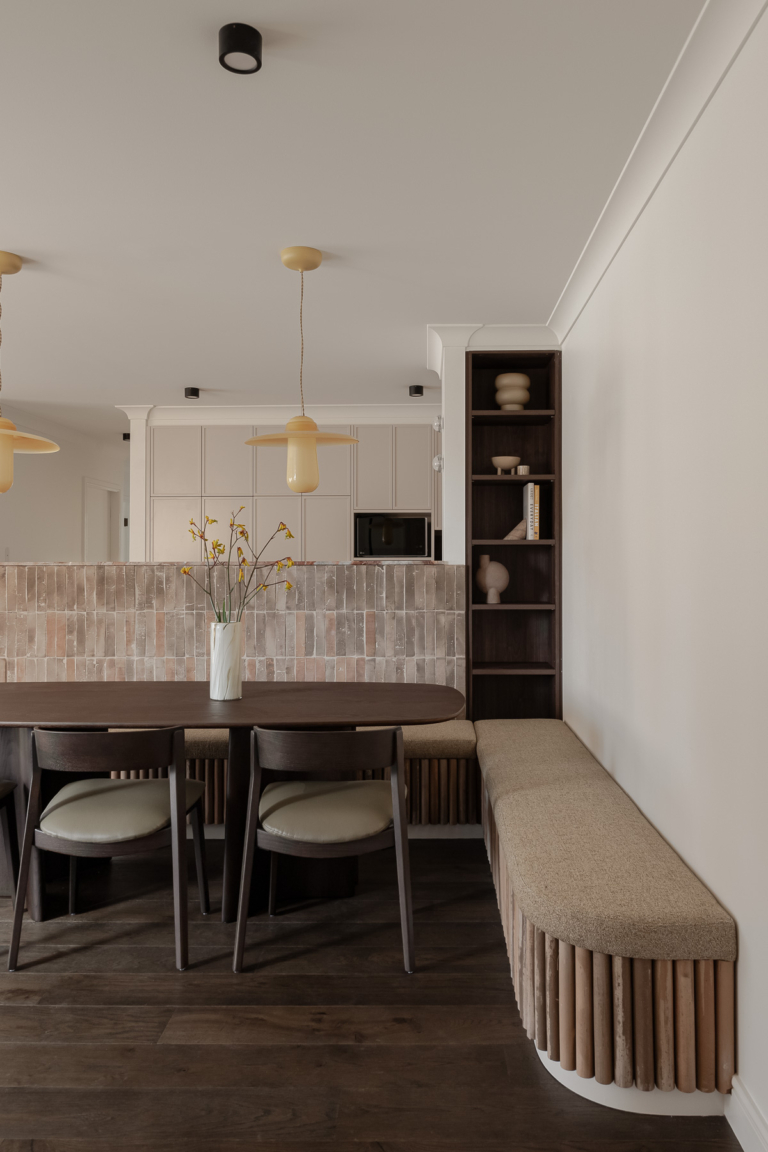
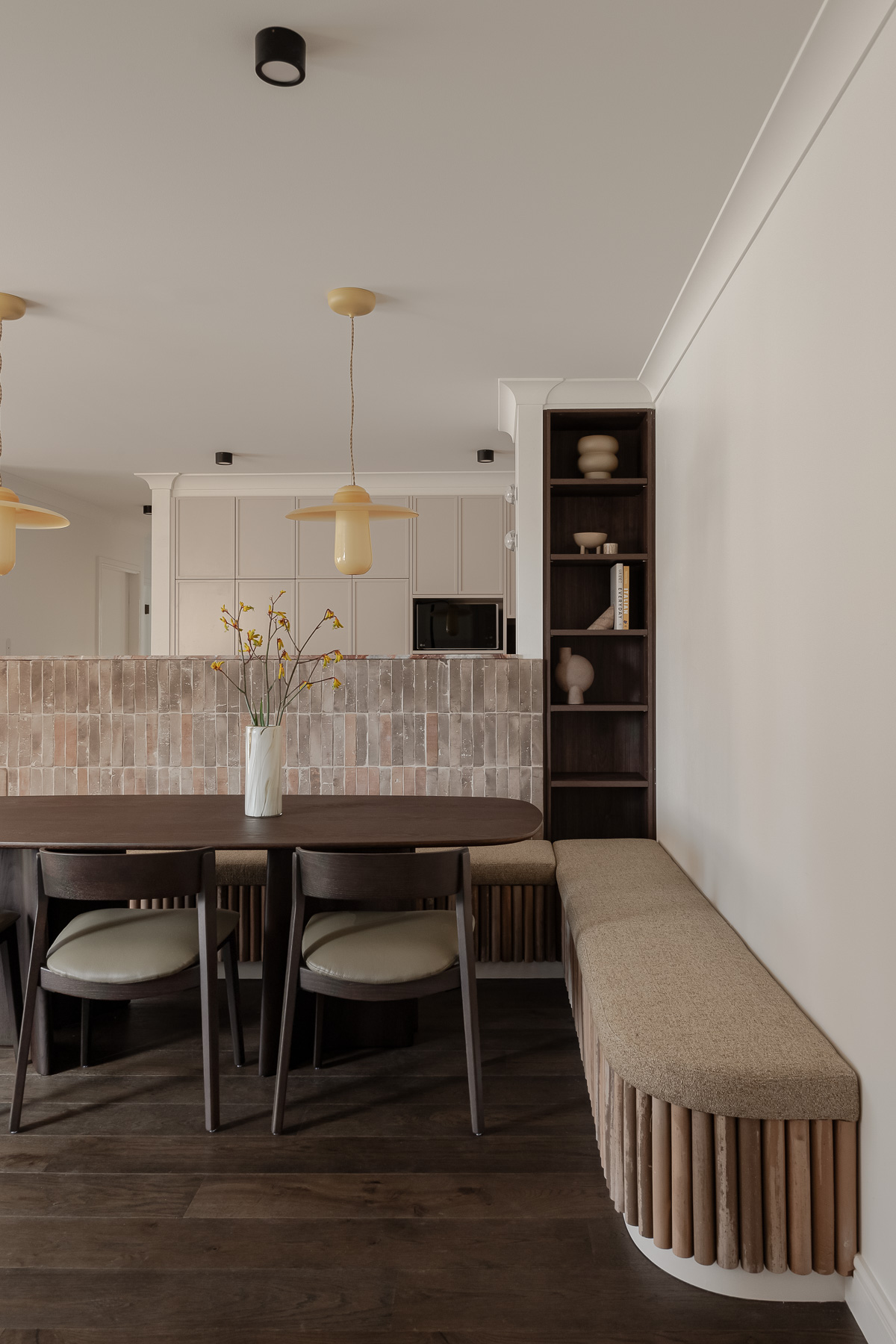
Interior design by Mori & Curll. Build by Forever Build and Perspective Constructions. Joinery by Best Kitchens and Urban Joinery. Stone by Unrivalled Stone.


