Arent & Pyke
Just two years shy of two decades, the interior design firm has evolved with new Sydney and Melbourne studios and a deepened belief that good design begins with listening.
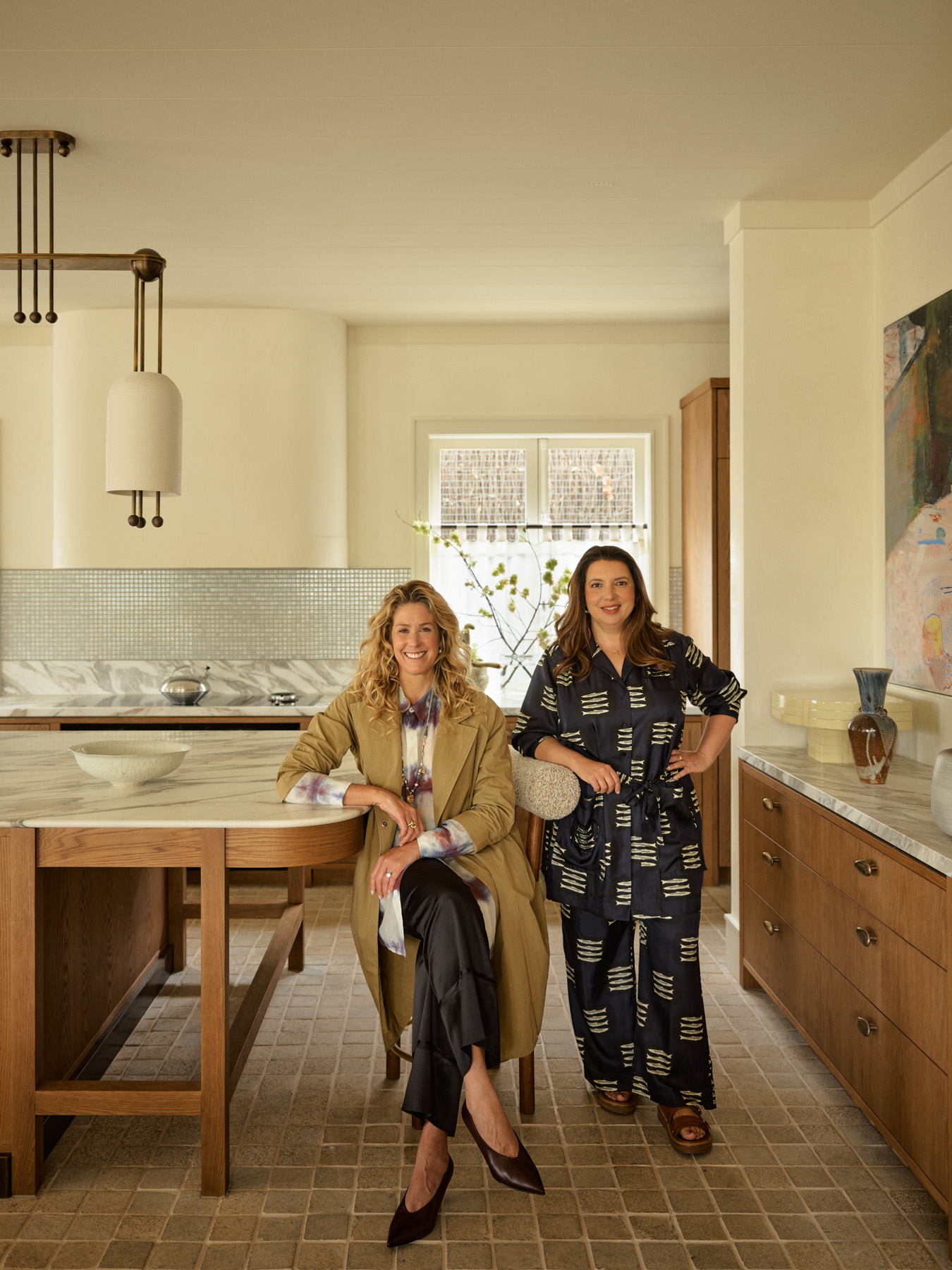
Do Juliette Arent and Sarah-Jane Pyke believe in ghosts? It’s probably not the most obvious question to ask, but the Sydney-based interior design studio co-founders have a history of speaking about the homes and spaces they work on as having an innate life to them.

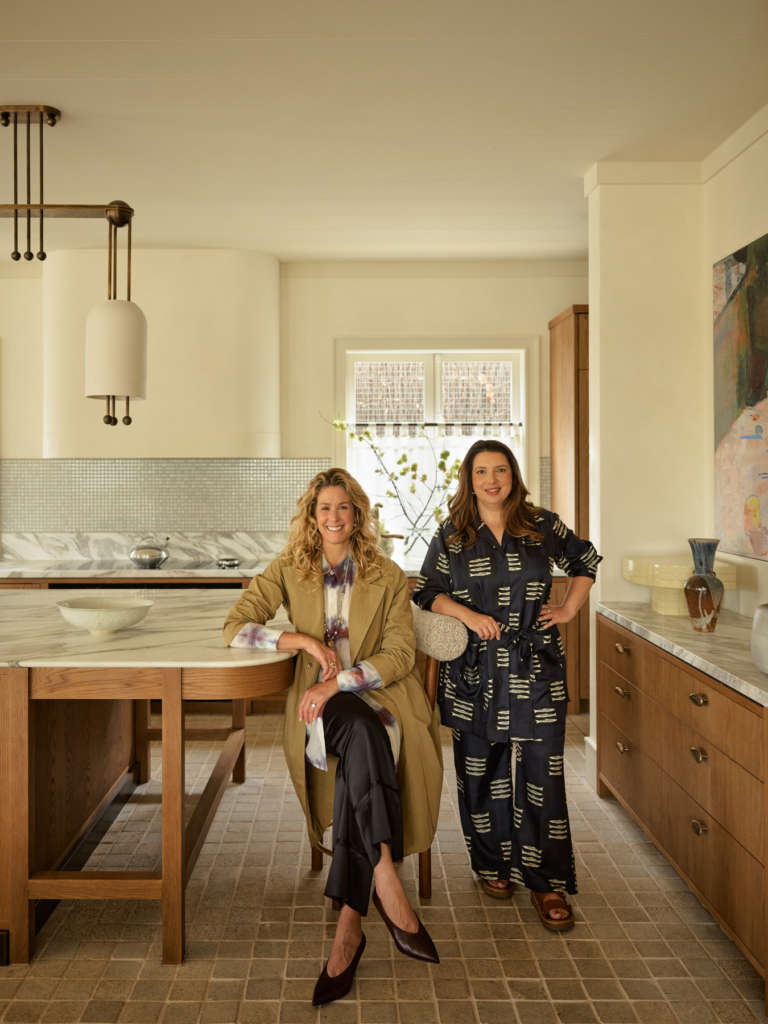
“Some houses just have incredible positive energy. You can feel it. There’s history in the walls, in the spaces.”
“I do,” says Arent, without hesitation. “I’ve actually worked with people to help dissolve entities that have been in my property.” Said property: a terrace in Bronte built in the 1880s by two brothers who, she was told, were stonemasons and worked at Waverley Cemetery. “One of them wasn’t quite ready to give it up,” she adds, smiling. “I was told that he stayed. And after we did the cleansing, you could feel the difference.”
Pyke hasn’t encountered anything spectral herself, but she agrees that places hold energy. “Some houses just have incredible positive energy. You can feel it. There’s history in the walls, in the spaces,” she says. “I definitely believe that.”
This idea that a home has a life of its own sits at the centre of Arent & Pyke’s work. For nearly two decades, the pair have built a practice around listening to the subtle rhythms of a building: its age, its light, its echoes and its quiet. Their role, they suggest, is to reveal the character that already exists. “Houses do have a soul,” says Arent. “Our job is to bring that out and merge it with the soul of the person who will inhabit it.”
The duo’s new Sydney studio, which the team moved into late last year, reflects that same philosophy. After more than a decade in their previous office just 50 metres away, Arent and Pyke felt the need for change. “When you create space in your environment, it creates space in your thinking,” says Pyke. “Moving to a bigger, lighter, more inspiring space has had a lovely effect on everyone. It feels like we’re somewhere special, too.”
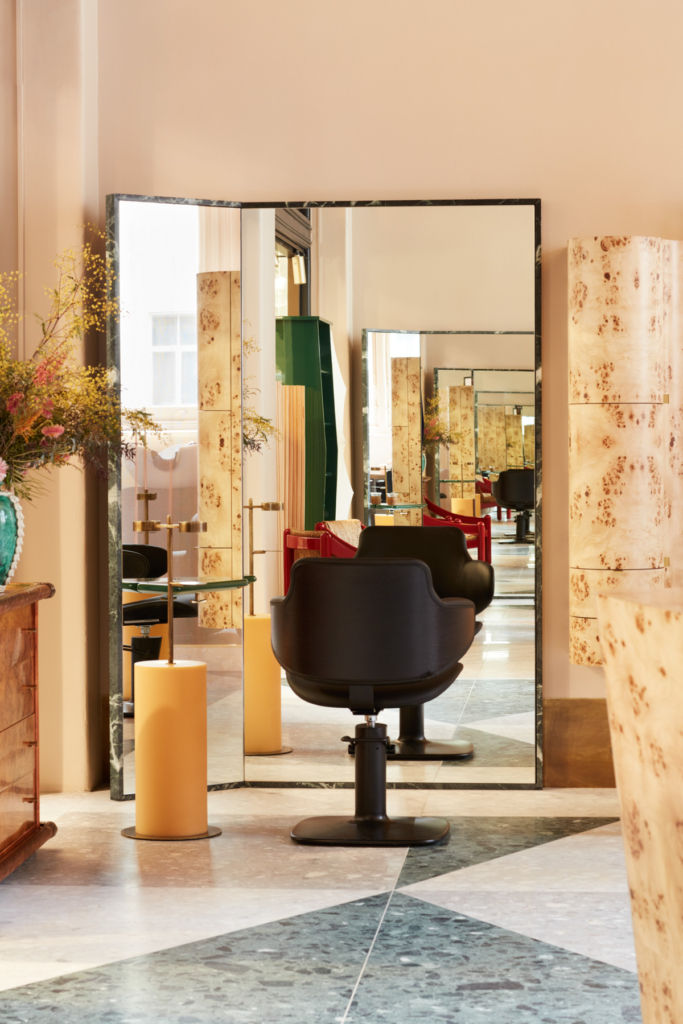
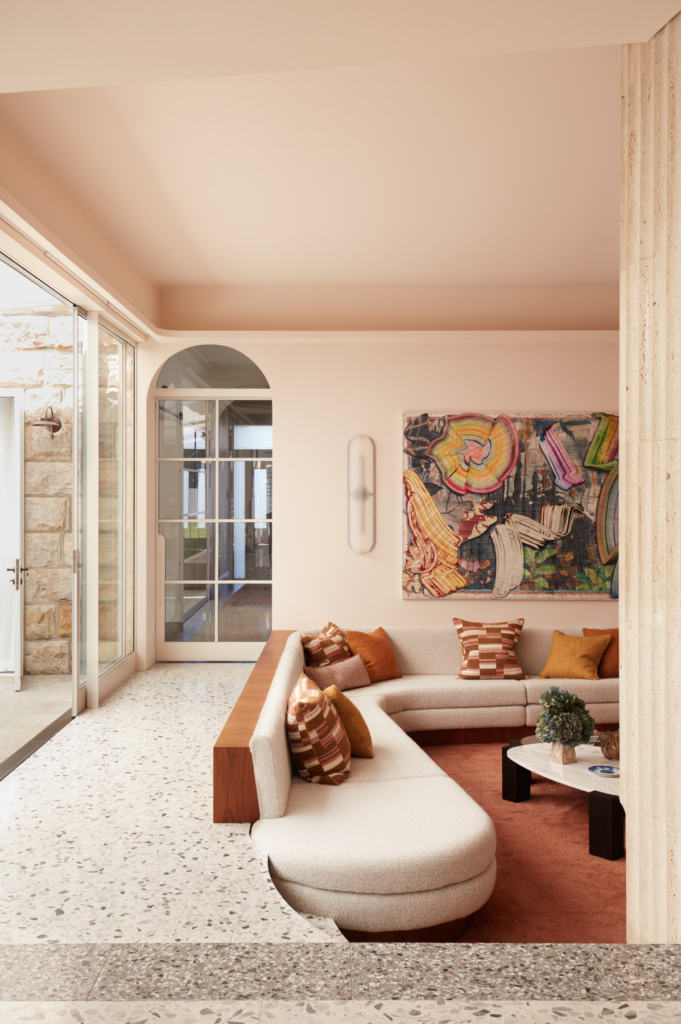
In that calm, tactile setting, the design team finds a space that mirrors the principles they bring to clients’ homes: light, texture, balance, and above all, a sense of ease.
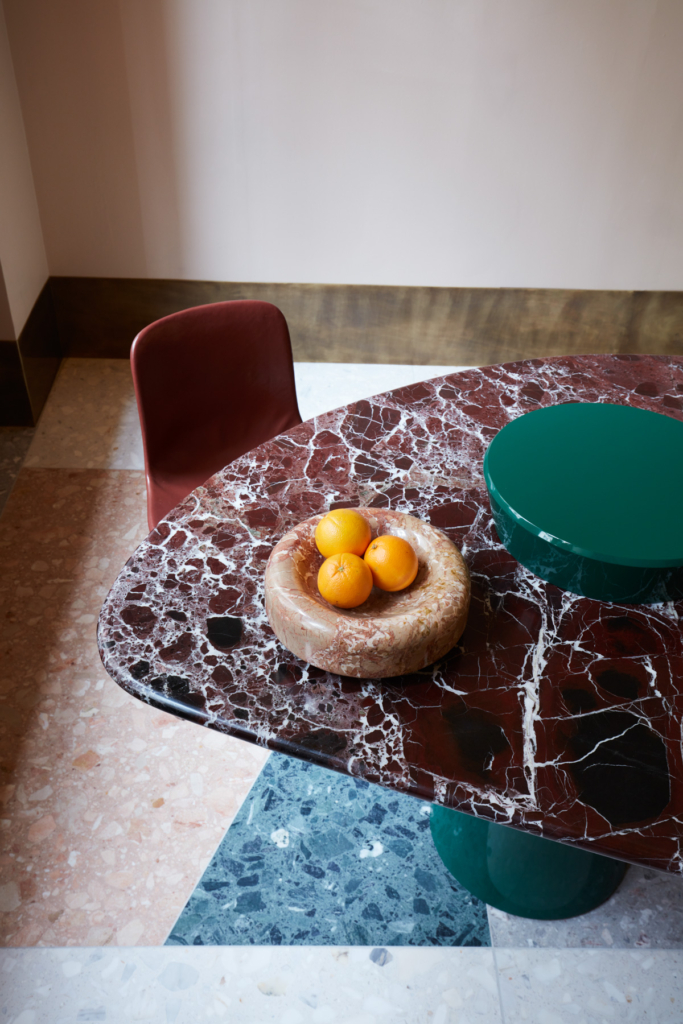
The pair describe the new studio as one of those rare finds that felt right from the start. “We were very lucky,” says Arent. “We knew this space before and it had been really rundown, but our landlord had done a lot of work to the base build. The finishes just felt like they could have been one of our interiors. Beautiful floors, lovely colours, even a mezzanine with cork underfoot.” Because the existing shell already aligned with their aesthetic, the transition required little beyond their signature touch. “We designed the library and the joinery, but otherwise it was ready for us,” she says. “It even had acoustic panelling, which means it’s incredibly quiet. Something we were really missing before.”
In that calm, tactile setting, the design team finds a space that mirrors the principles they bring to clients’ homes: light, texture, balance, and above all, a sense of ease. “What we do all day is create special spaces,” says Pyke. “So to be somewhere that we feel really looked after is important. It sets the tone for everything we make.”
For Arent, the shift has been as much about atmosphere as function. “Because what we do is so reliant on all the senses, having a little bit of quiet allows you to be more creative in your thinking,” she says. “We’ve always been sensitive to sound, light, texture – all of it. Over the years, we’ve become more and more attuned to that, and we help clients understand that design isn’t just visual or tactile. It’s how a space feels to inhabit.”
Their practice, now approaching its 20th year, has grown steadily from the days when the pair worked side by side on every project. “The team is much bigger now,” says Arent. “Our aesthetic bends and morphs according to the client and the team. But the core principles are still there – dynamic, interesting, detailed and joyful. That’s still with us.”
Their practice, now approaching its 20th year, has grown steadily from the days when the pair worked side by side on every project.
Clients, she explains, have different comfort levels around how much visual or material presence they want in their homes. “For some people, colour is stuff. It can be overwhelming. For others, it’s objects. Scale and volume are part of that. We work to understand where their level of comfort lies.”
Arent nods. “To be functional is just an added bonus,” she says. Both laugh at the memory of a long-running studio joke: that they might one day shoot a project with the television actually visible. “We never shoot the TV,” says Pyke. “Maybe we should start.” For them, lived-in authenticity is vital. “You can’t talk about joy and then suddenly tuck everything away,” says Arent. “It has to be real.”
For them, lived-in authenticity is vital.
The Melbourne studio that opened mid-2025 marks a new phase for the practice. “We’ve worked all over the country for a long time,” says Pyke. “But launching our book three years ago and spending more time in Melbourne made us want to be part of that community more permanently.” That transition was helped by the return of a long-time associate to her hometown. “It was perfect timing,” says Pyke. “She could lead the studio with us and it gave us a trusted anchor there.”
The differences between Sydney and Melbourne are often exaggerated, but both designers acknowledge a distinct shift in their creative rhythm south of the border. “Clients are just naturally more design-led,” says Arent. “It feels very inclusive. There’s a real camaraderie among designers.” Pyke adds, “There’s still great manufacturing in Melbourne and really strong making. There’s something dynamic about that community that we find inspiring.”
“There’s still great manufacturing in Melbourne and really strong making. There’s something dynamic about that community that we find inspiring.”
The expansion also reflects a broader shift in the Australian design landscape, a growing appetite for personality and risk. “People in Sydney, especially, are braver than they used to be,” says Arent. “There’s more desire for homes that feel personal, not designed for resale.” Pyke agrees: “We connect with clients who are thinking about what they personally want. Of course, a home is an asset, but the best projects happen when it becomes the thing they most desire for their own hearts.”
For Arent, that sense of connection between architecture and intimacy came into focus with Garden House. “That was a huge lesson in how very bold, brutalist architecture could also be pretty and romantic and layered,” she says. “It was about bringing texture and softness into something muscular and seeing how those opposites could sing together.” Designed with architect Polly Harbison, the home’s long, linear volumes open onto a lush inner-city garden that stretches, improbably, for more than 100 metres. “It reminded me that architecture can be tender,” says Arent, “and that the most successful spaces are the ones where you feel both strength and generosity.”
“The most successful spaces are the ones where you feel both strength and generosity.”
Pyke’s own touchstone is an historic Randwick home known simply as The Avenue, one of their earliest collaborations with architect Tom Ferguson. “It was the first time I really saw the value of how the built and decorative elements come together,” she says. “It taught me that the spaces aren’t enough on their own, it’s that last layer of furnishing and detailing that makes it whole.” The project, a Federation house with light-touch architectural interventions and richly furnished interiors, set the tone for how the studio would approach heritage properties: with respect, intuition and quiet optimism. “It really cemented that idea of interaction, of architecture and decoration being part of the same conversation.”
In 2022, Arent & Pyke released Interiors Beyond the Primary Palette, a book that distilled their philosophy into five key ideas: joy, colour, character, spirit and alchemy. “It was such a great process,” says Pyke. “We started somewhere and ended somewhere completely different. Refining those ideas helped us realise that those five things could sum up the whole practice.”
“It really cemented that idea of interaction, of architecture and decoration being part of the same conversation.”
For Arent, the exercise also clarified something less tangible. “There’s a part of design that’s very non-intellectual,” she says. “It’s intuitive. Having to talk about it was valuable because it gave us language for what we do. It means we can share that with the team and with clients in a more structured way.”
Their instinct for harmony extends beyond materials to the collaborators they bring into each project. “We’ve been building relationships with makers for a long time,” says Pyke.
Their instinct for harmony extends beyond materials to the collaborators they bring into each project.
“It’s one of the things we love most about having a broader team. Everyone brings new connections, new craftspeople, new ways of doing things.” “It’s the excitement of experimentation,” adds Arent. “When you’re working on a residence, you’re designing in real time. You’re not doing the same thing over and over. Every joinery detail, every finish… it’s thrilling to see it come to life.” That balance between signature and surprise is something they continue to navigate. “There’s obviously a thread. We can’t always see it ourselves, but it’s there.”
When I ask what that thread feels like, Arent pauses. “I know the things we’re not,” she says finally. “Whenever I see something very glossy or glamorous, I can appreciate it, but it’s not us.” Their projects, from heritage restorations to contemporary builds, share an understated sensuality, a quality that feels intuitive rather than aesthetic. “Spirit was always a big one for us. That idea of home being alive, something you interact with every day. It needs to nurture; it needs to have soul.”