Jared Webb
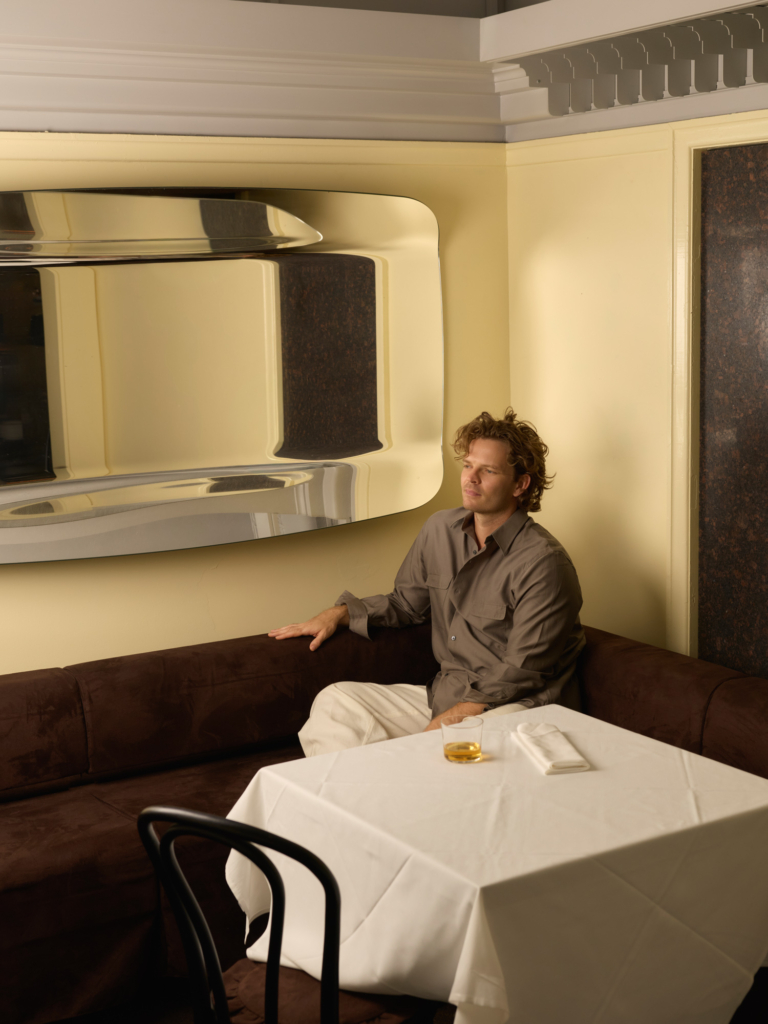
Brisbane born and bred, Jared Webb of architecture and interiors studio J.AR Office is reimagining the city’s architectural scene one project at a time.
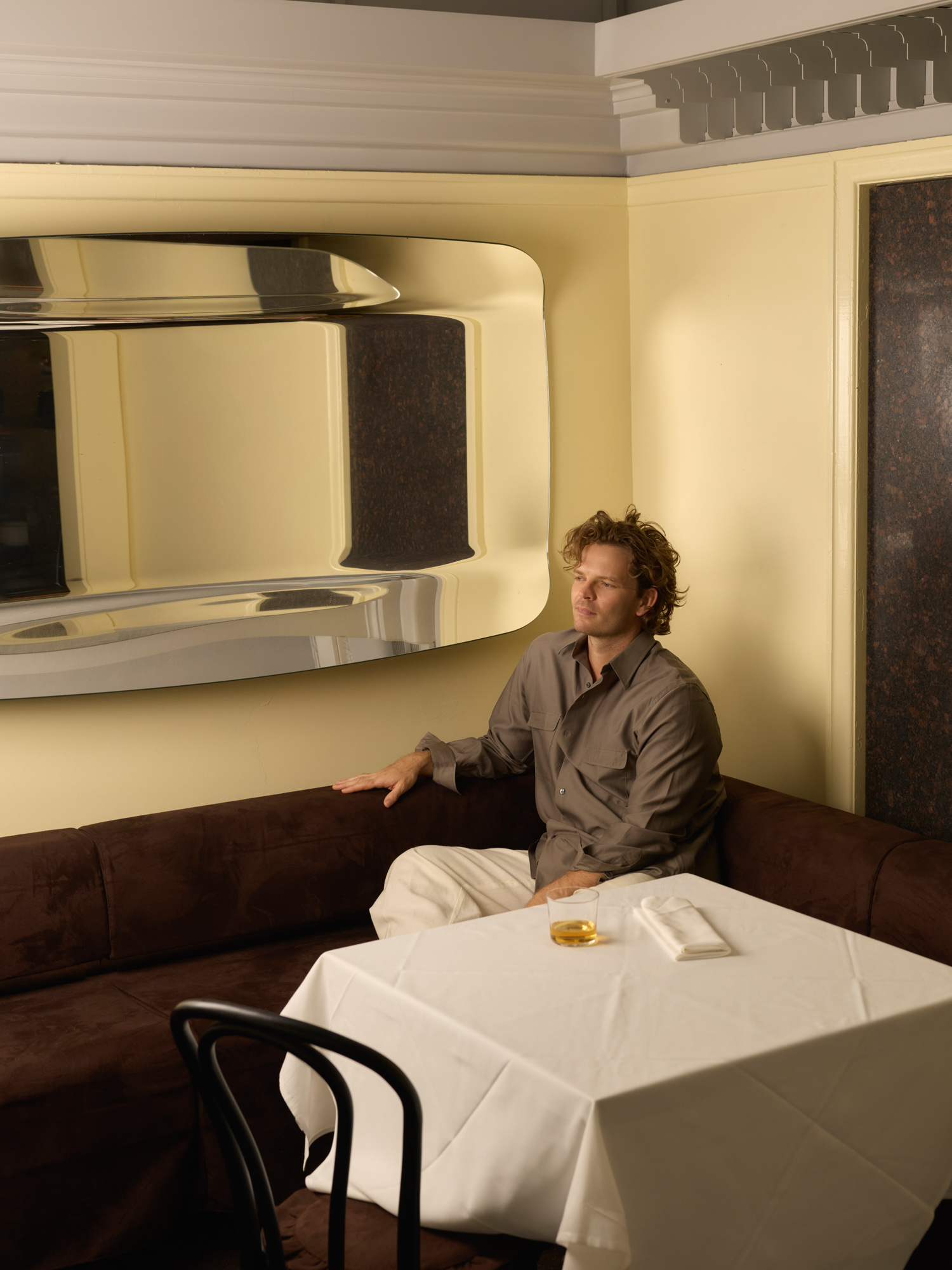
Before founding his practice in 2022, he was working across acclaimed interior, architectural and precinct-scaled projects. Today, he leads a team of 12 across two offices, and he’s still surprised by the speed with which it’s all happened. “It’s so cool. I feel really lucky to be practising among a bunch of peers who I respect so much and who I’ve leaned on over the last few years to even get to this point,” he says.

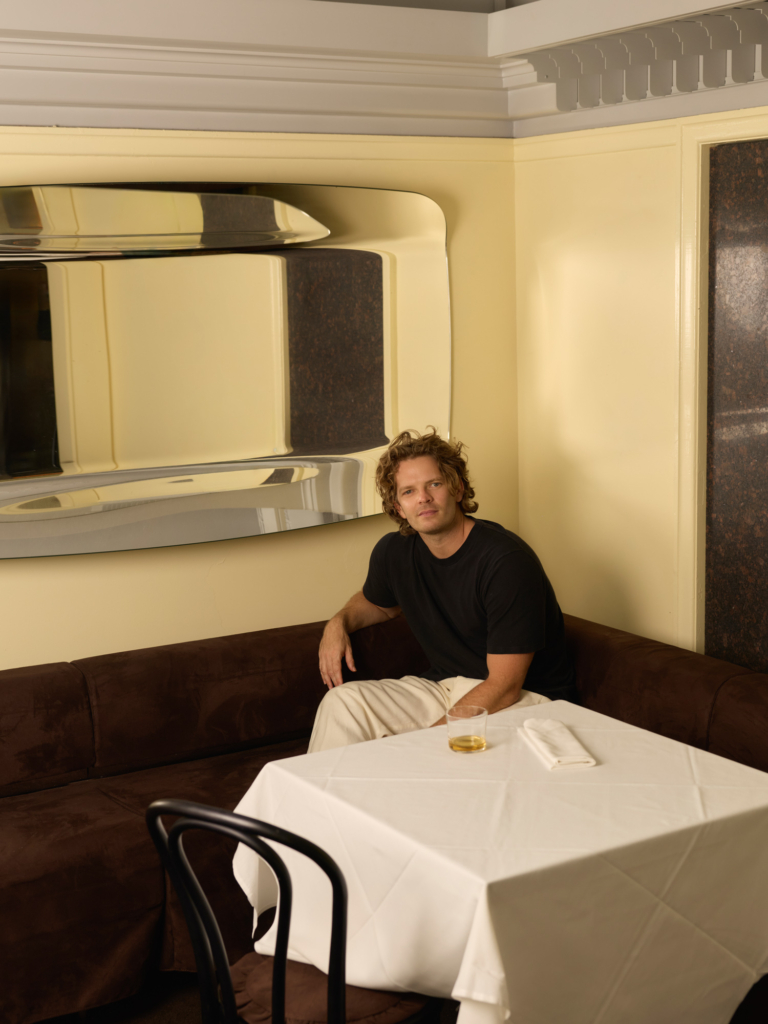
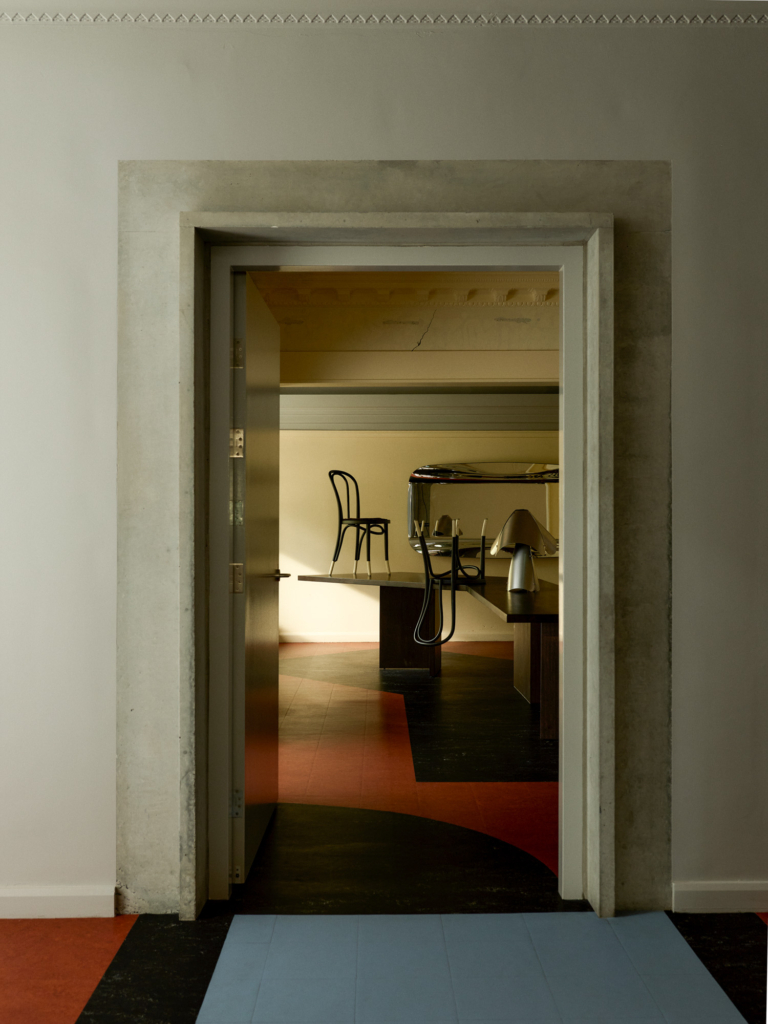
Rather than err on the side of caution, he’s built a firm that embraces experimentation, entrepreneurship and a strong point of view.
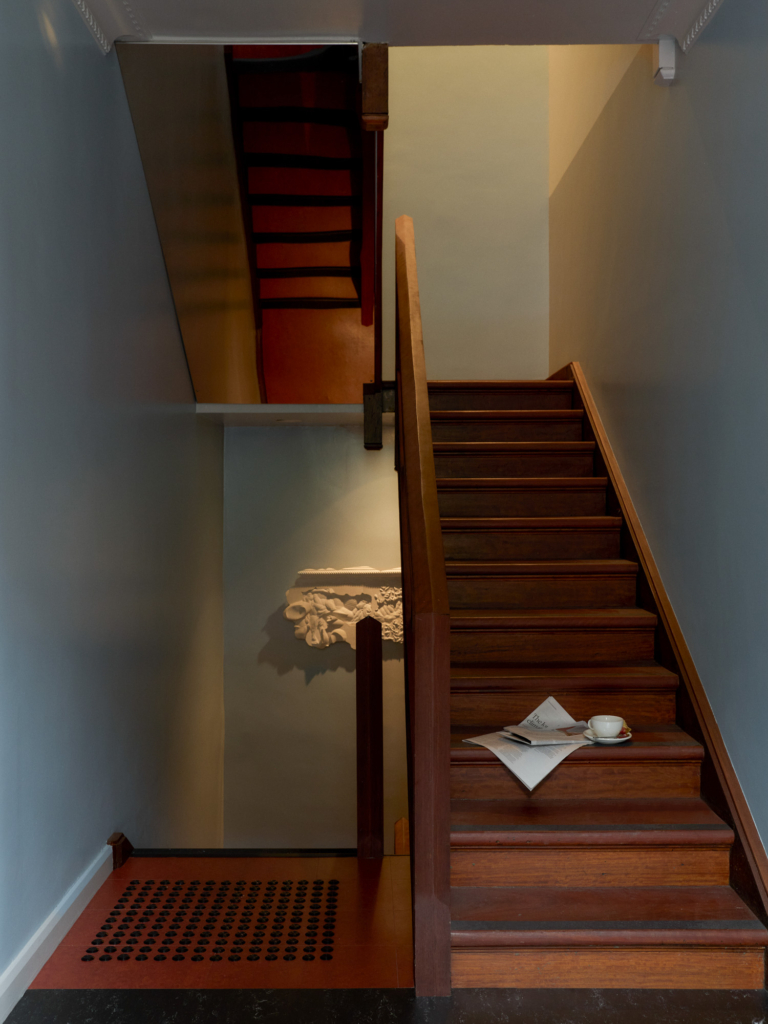
In many ways, Webb and J.AR Office are inseparable. “I’m so ingrained in the practice and my personality is the practice,” he says, describing a company shaped by a willingness to go against the grain. He adds, “I’m an opportunist and pro-risk” – a mindset that has helped shape Webb’s career and the identity of J.AR Office. Rather than err on the side of caution, he’s built a firm that embraces experimentation, entrepreneurship and a strong point of view. The result is a studio that creates atmospheric work shaped by how people experience the city.
Webb’s fascination with architecture began long before he had the language for it. He describes being “obsessed since I was probably 11 or 12” – he was the sort of kid who would sit in the car and scrutinise every house he passed. “Why would they paint their house that colour? Why is the door in that location? It should be over there.” His parents’ passion for renovating old houses deepened that curiosity; he grew up around making, repairing and reimagining. Then came travel and, with it, a revelation. Visiting older cities in Europe as a teen gave him what he calls “a brain explosion”, opening up an understanding of history and cultural layering that suburban Brisbane simply couldn’t offer.
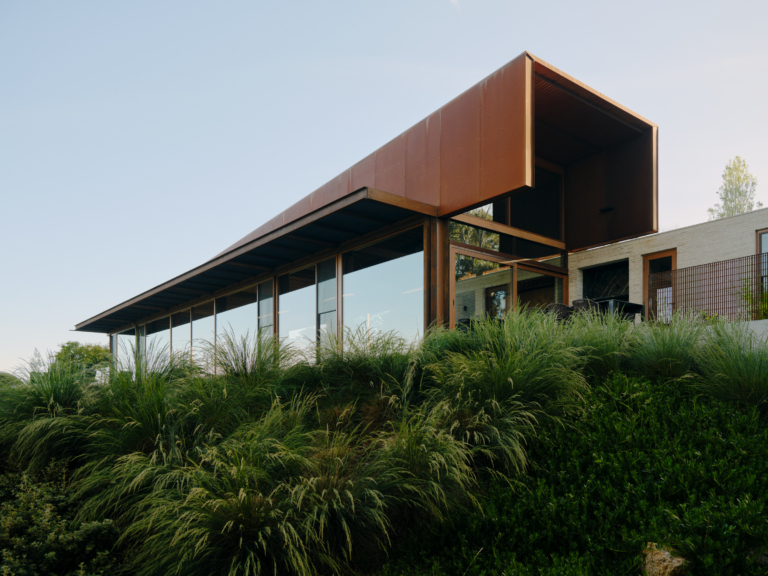
That sense of architecture being something that shapes the life of a city over time continues to drive him. Across J.AR Office’s projects, there’s a long-term agenda to help his home town develop – to become more layered and truer to its character. “We have a clear trajectory towards shaping Brisbane’s public realm through recurring themes like outdoor rooms, subtropical urbanism and human-scale activation that has a hospitality and people focus. There’s that strong narrative through all of our work.”
At the heart of the firm’s projects is the idea of supporting public life, “an act that enhances the cultural cache of our region”, Webb says. Gerard’s is a defining example. Webb describes the restaurant as a turning point for him and the practice as it set the tone for what J.AR Office could be. Its importance isn’t just that it was the studio’s first restaurant, but that it was already a much-loved fixture of the James Street precinct. Webb felt a responsibility to honour that status by creating a space that seemed to have always been there.
“It wasn’t about reinvention, it was about revival,” Webb explains. In a gesture that captures his affinity for nostalgia-infused design, rubble from the demolition was compacted into rammed-earth walls, transforming Gerard’s previous form into something new. It’s a telling example of the studio’s approach. “We try to find the narrative that connects the dots – that connects the owner, the occupant and the material all together.”
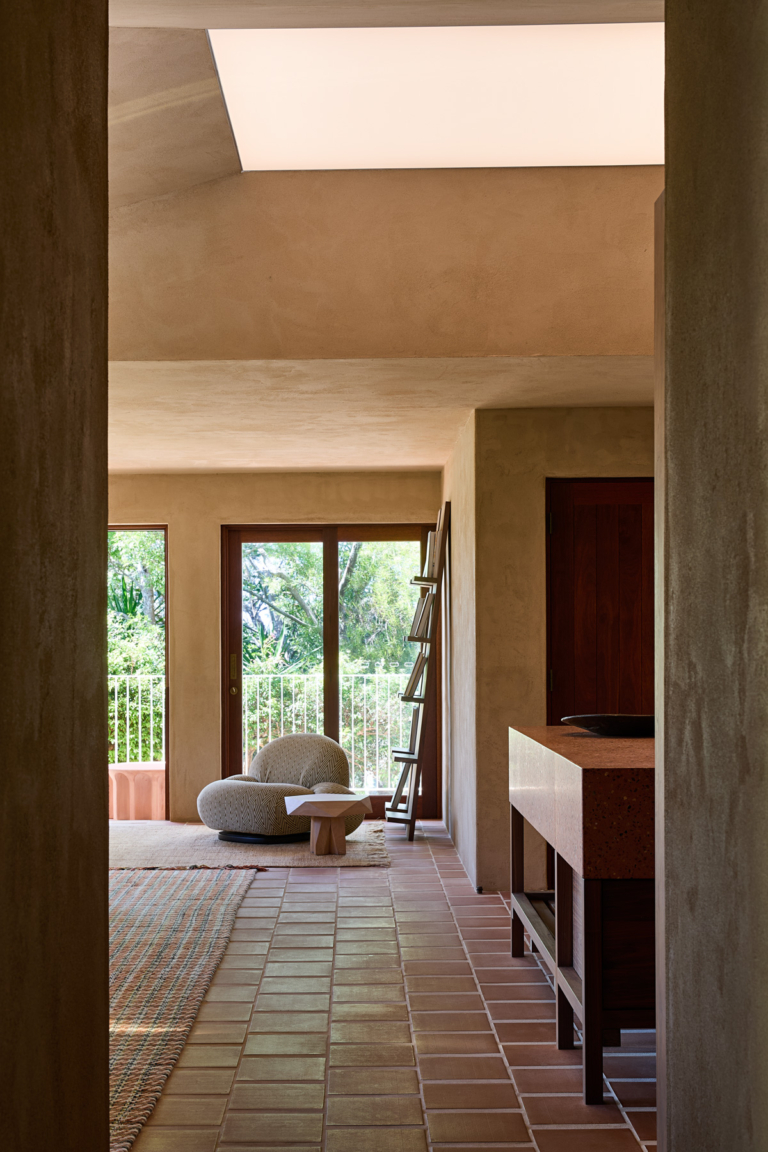
His material philosophy is similarly disciplined. J.AR Office usually works with a refined palette – stone, concrete, plywood, zinc – to create projects that are durable and economical. “There are no materials that are off the table, but with each of our projects, there’s typically a single material or two used in repetition en masse,” he says. Webb has little interest in disposable architecture. “We’re not interested in the short-cycle nature of it. We always adopt a material that can stand the test of time.” But it’s not about nostalgia. “We have a responsibility for our built environment and what gets erased and what gets added,” he says.
Webb’s regard for longevity is on par with his deep commitment to cultivating enjoyable experiences when people first step into a J.AR Office-designed space. “I want people to feel engaged. I want them to leave life’s chaos at the door.” This speaks to how carefully he considers the emotional offering of a space, with projects not only carefully composed but also edited. “We simmer it all the way down to almost like this beautiful jus. And then the intensity of that jus is the experience you have in one of our projects.” It’s a telling analogy: J.AR Office strips away the superfluous to heighten atmosphere.
Few projects demonstrate that better than Golden Avenue. Despite the complexity of delivering it across two allotments under heritage constraints, the project – which graced The Commercial Project’s cover last issue – stayed true to its original intent: “An occupy-able garden that has the capacity to be a restaurant.” Webb sees it as a “courtyard for Brisbane” – a shaded subtropical space that, while privately owned, feels public in “scale, nature and accessibility”, belonging to a broader urban experience.
Then there’s Central, the project that brought major industry awards last year and helped mark what Webb describes as “a little bit of a turning point” for the studio. He insists the accolades didn’t change the office’s day-to-day operation, but they did mean something larger. “I’m setting out to change the underdog status of our home town and so I see these accolades really as more of an endorsement for our city.” It’s a beautiful sentiment: even at a moment of success, his eye remains on Brisbane and what the recognition might unlock for its architectural future.
This urban consciousness is key to the studio’s thinking. Looking ahead, Webb sees J.AR Office contributing to a wide range of projects, from high-end retail to showrooms, hotels, residential work and lifestyle precincts. The office may be growing, but the team’s focus is clear: it’s about creating places that help Brisbane grow meaningfully.

That same thinking underpins a humbler aspiration of his. “My dream project is just to do a public toilet,” he says. “I’m a firm believer that there can be beauty in the most mundane of building typologies or building use.” Good architecture, in his hands, is never just about status or scale. It’s about care and the conviction that even the most ordinary brief can become significant. That may be why Webb is on the rise now: because he is building a practice – and a body of work – with the patience and belief needed to leave something lasting.