Furniture Built for Gathering
Emerging from decades of architectural joinery, SKUPA> creates Australian-made furniture shaped by craftsmanship, material honesty and a belief in gathering, longevity and repairability.
SKUPA> did not begin as a furniture brand in the conventional sense. It emerged from decades spent refining the discipline of architectural joinery, gradually distilling its hand-hewn origins into furniture formed from exacting standards and built for a lifetime of use.
The name comes from the Croatian word for ‘together’, a sentiment that runs quietly through every furniture piece and design collaboration.
Founded in 2021 by the late Boris Tošić, SKUPA> continues the philosophy that guided the Croatian-born master joiner’s life’s work: that furniture should bring people together, bear material and craft integrity, settle naturally into space and improve with time.
The name comes from the Croatian word for ‘together’, a sentiment that runs quietly through every furniture piece and design collaboration. Today, the brand is led by Boris’s sons, Luke Tošić and Ziggy Tošić, carrying forward a legacy grounded in craft, material honesty and enduring relationships
SKUPA> is a family story that begins with the workshop behind it. Parent company élan has spent decades establishing itself as a respected joinery partner for high-end residential interiors across Australia. Within that practice, a multidisciplinary team of more than 40 makers work across timber, metalwork, finishing and drafting, all under one roof. The same precision, problem-solving and technical rigour that define élan’s bespoke interiors now inform the SKUPA> collection. Both practices continue in parallel, each sharpening the other.
This continuity is evident in the pieces themselves. Structure is celebrated rather than concealed. Junctions are engineered with clarity and purpose, allowing components to disassemble, move and be restored over time. Solid timber sits at the centre of the collection, not only for its tactile warmth but for its ability to endure, soften and evolve through use.
Grid, a modular shelving and storage system with a distinct mid-century flavour, is defined by shadow lines and precision-cut circular handles.
SKUPA>’s Breadstick range captures this design ethos particularly well. Named after the ritual of breaking bread together, the collection includes tables, benches, consoles and desks, all resolved through the same modular language of cylindrical legs and solid surfaces. Designed to gather people around them, the pieces are generous without excess and adaptable across hospitality, workplace and residential settings.
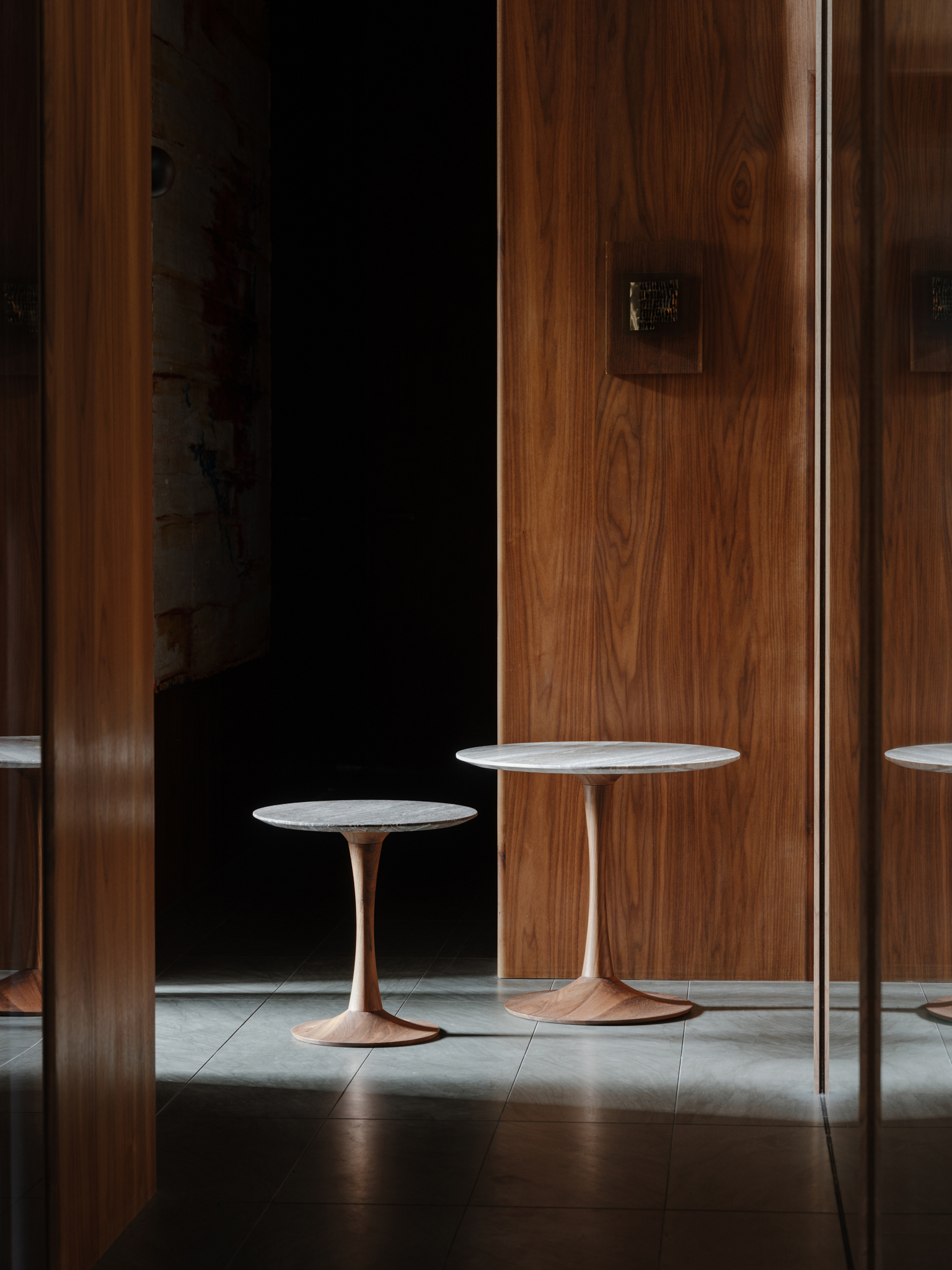
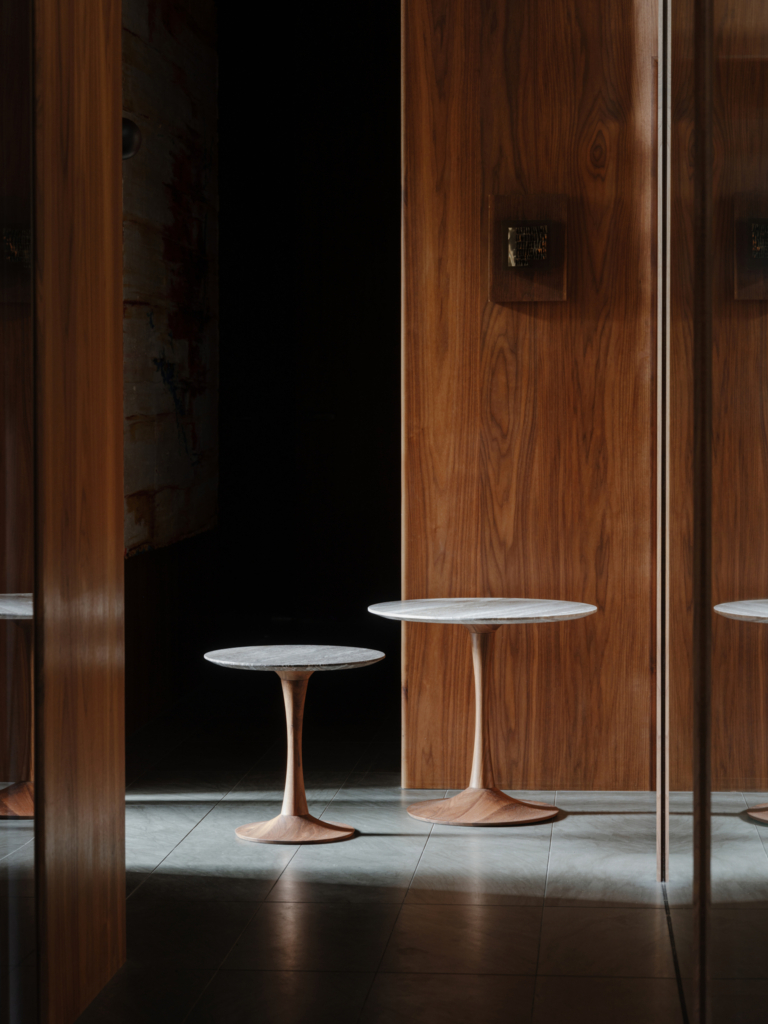
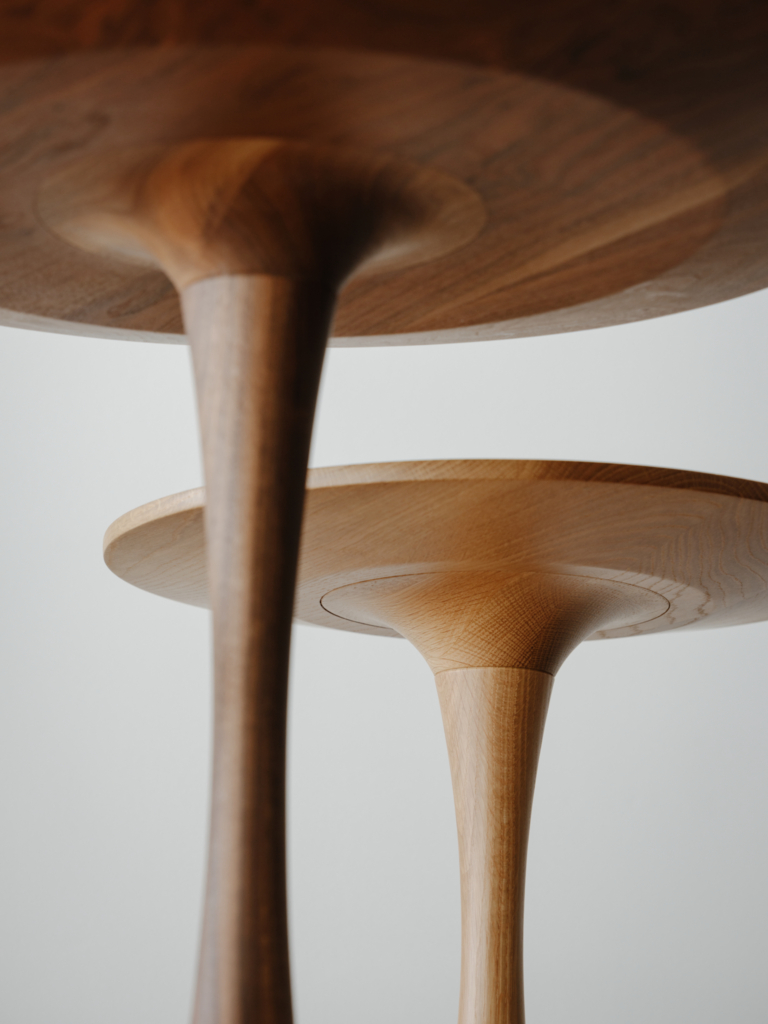
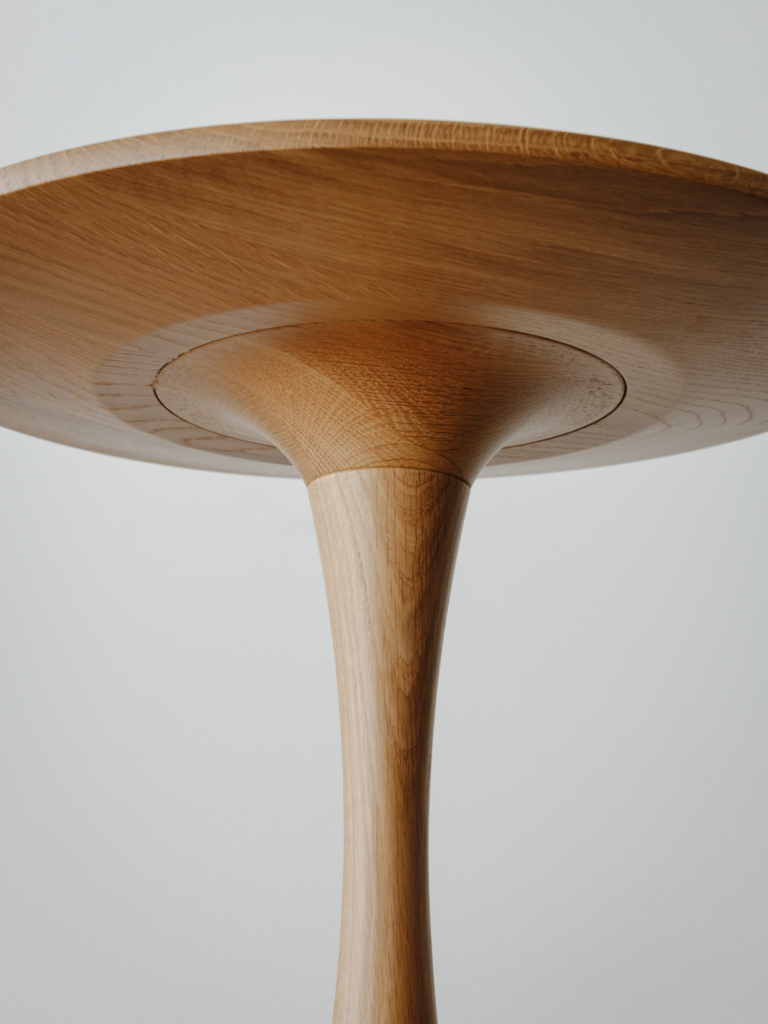
Other highlights of the brand’s elevated range include the mid-century-inspired Screw table, where machine precision meets hand crafting to create a tulip-shaped form with a grounded timber base and either a timber or travertine top. The San daybed, meanwhile, features a base comprised of an intricate woven grid of timber – created without adhesives – and removable cushions in either linen or leather. Grid, a modular shelving and storage system with a distinct mid-century flavour, is defined by shadow lines and precision-cut circular handles, and is available in two heights with four interchangeable inserts.
Further reflecting the brand’s evolving conversation between material and culture, Colour Study 26 brings together leading Sydney and Melbourne design studios to develop a new colour for SKUPA>’s collections. The ongoing initiative explores how colour behaves in timber: how grain, finish and light influence the way tones settle into material over time, reinforcing the brand’s interest in longevity, atmosphere and emotional connection through design. The studies will come together in July, with a vote opening on Instagram ahead of the final outcome on 10 September.
The company’s new showroom in Sydney’s Alexandria enables SKUPA> to invite architects, designers and specifiers into its world more directly. Calm, tactile and intentionally understated, the space presents the full furniture collection alongside élan’s broader joinery capabilities. More than a display environment, it is conceived as a place for conversation, somewhere to sit with materials, discuss projects and experience the scale and substance of the work firsthand.


