The Ogee Guesthouse
Tucked behind beloved North Hobart restaurant Ogee, The Ogee Guesthouse offers an immersive extension of the dining experience.
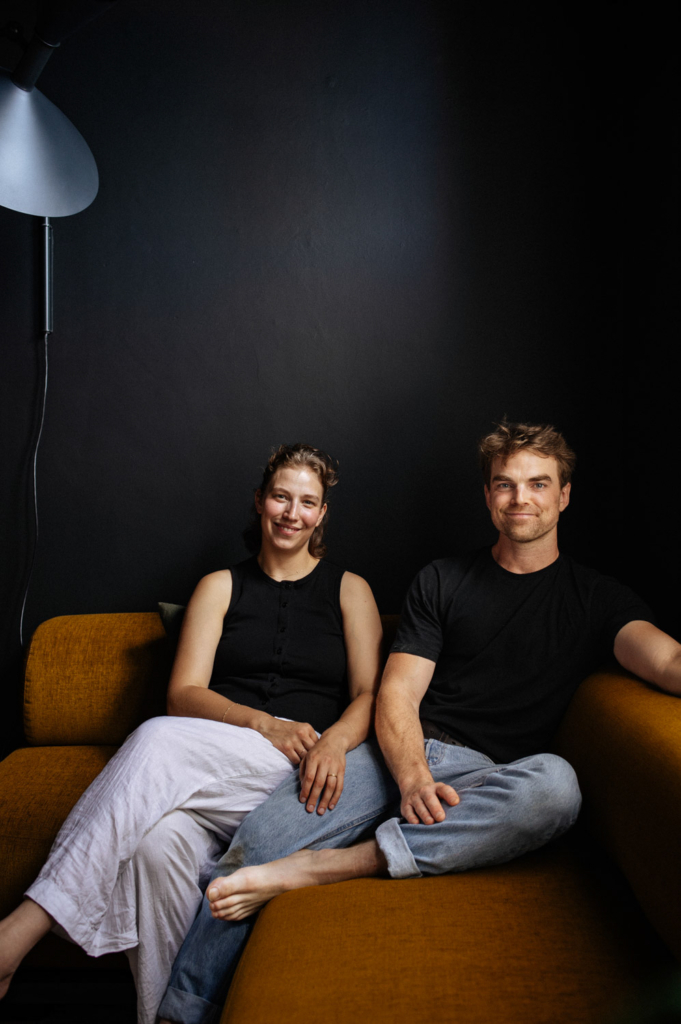
Established by Matt and Monique Breen – with Matt also having been behind renowned venues Templo and Sonny – the guesthouse bridges hospitality and design, creating a quiet retreat that feels both personal and deeply place-based. “We’ve always loved hosting,” says Monique. “So adding the option for people to be able to book the guesthouse and carry on the experience seemed like a good idea.”

Working alongside architects Mark and Adelle Drury and interior designer Aneka Sidoti, the Breens transformed a heritage-listed, early-1900s terrace into a tactile, curated stay. Prior to its renovation, the building had sat empty for more than 18 months, and while the structure remained sound, its history as a long-term rental had left the interiors in need of care. “It was in a pretty dire way,” says Monique. Working within heritage constraints, the approach was one of sensitive intervention: to preserve the existing character while gently layering in warmth, light and functionality.
A significant gesture involved removing a dividing wall to unify the kitchen and living areas. This move not only opened the floor plan but also shifted the spatial rhythm, enabling easier connection and movement. Curved thresholds, softened edges and a palette of warm, moody tones anchor the calm interiors. Echoing the language of the restaurant, materiality is used as a means of storytelling – red brick and white tiles with red grout reference the building’s original features, while Tasmanian timber and natural fibres introduce texture.


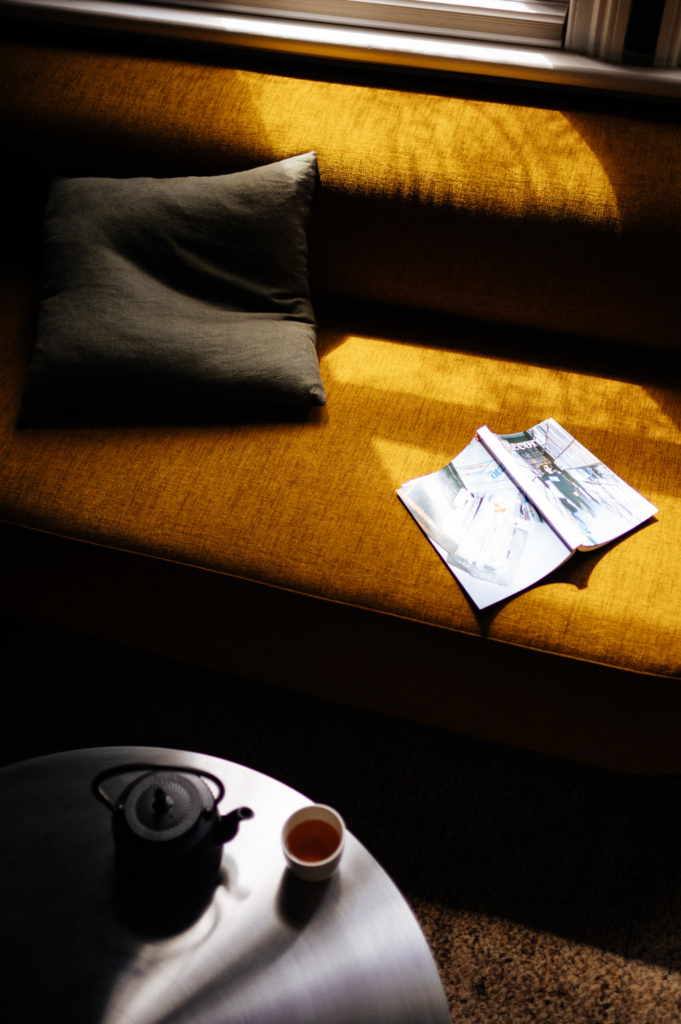
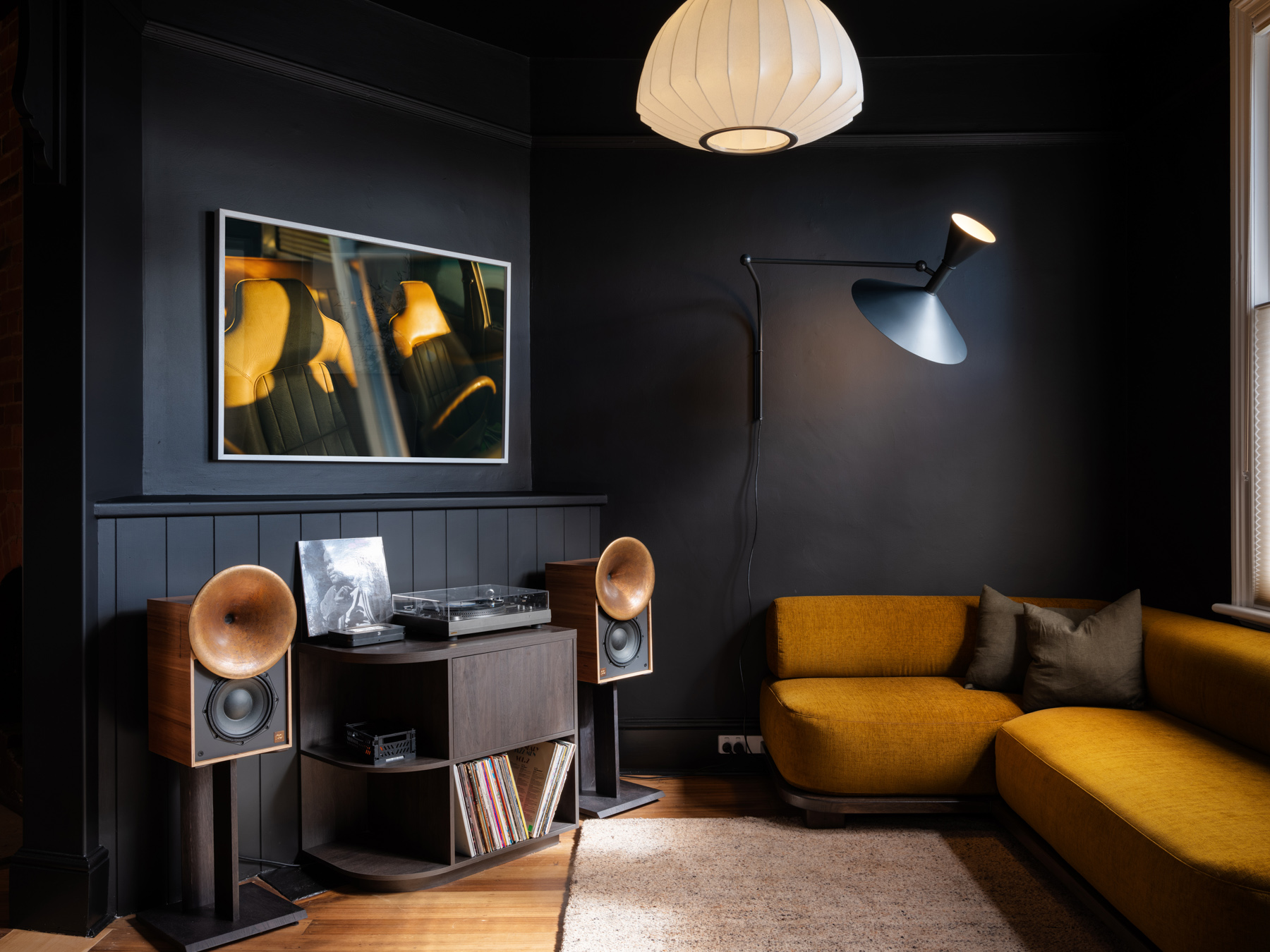
Every inclusion reflects Matt and Monique’s thoughtful attention to detail. The kitchen, compact and functional, is stocked with Japanese knives, stainless-steel cookware and hand-finished crockery – a nod towards Matt’s chef roots. Linen sheets from Bedouin Societe, natural fibre towels and woven throws add inviting layers, while sculptural furniture, a curated vinyl selection and Flare speakers by local maker Pitt & Giblin encourage a slower pace.
Bathrooms extend the narrative of material warmth and sensory comfort. In the primary bathroom, curved red tiling envelops a round-footed tub, grounded by underfloor heating and softened lighting. The interplay of heritage and contemporary finishes results in a space that feels elevated but unforced, aligning with the project’s broader ambition: to feel like home, but better.



The Ogee Guesthouse is more than a place to stay – it’s an experience deliberately tethered to the adjacent restaurant. “The scope of what we can do while being connected to the restaurant is huge,” says Monique. Offering possibilities for in-room dining, private wine tastings and small-scale events, the stay operates as a natural extension of the Breens’ vision. Taking cues from venues like Melbourne’s Napier Quarter, it presents a seamless blend of food, design and accommodation, yet it’s uniquely Ogee in its detail and delivery. Through spatial clarity and sensory generosity, it offers an invitation to slow down, settle in and feel held by place.