Harlem Rectory
With its original grandeur restored, Harlem Rectory makes a strong contribution to the local streetscape. Renovated by GRT Architects, the playful residence celebrates contemporary living within a historic building.
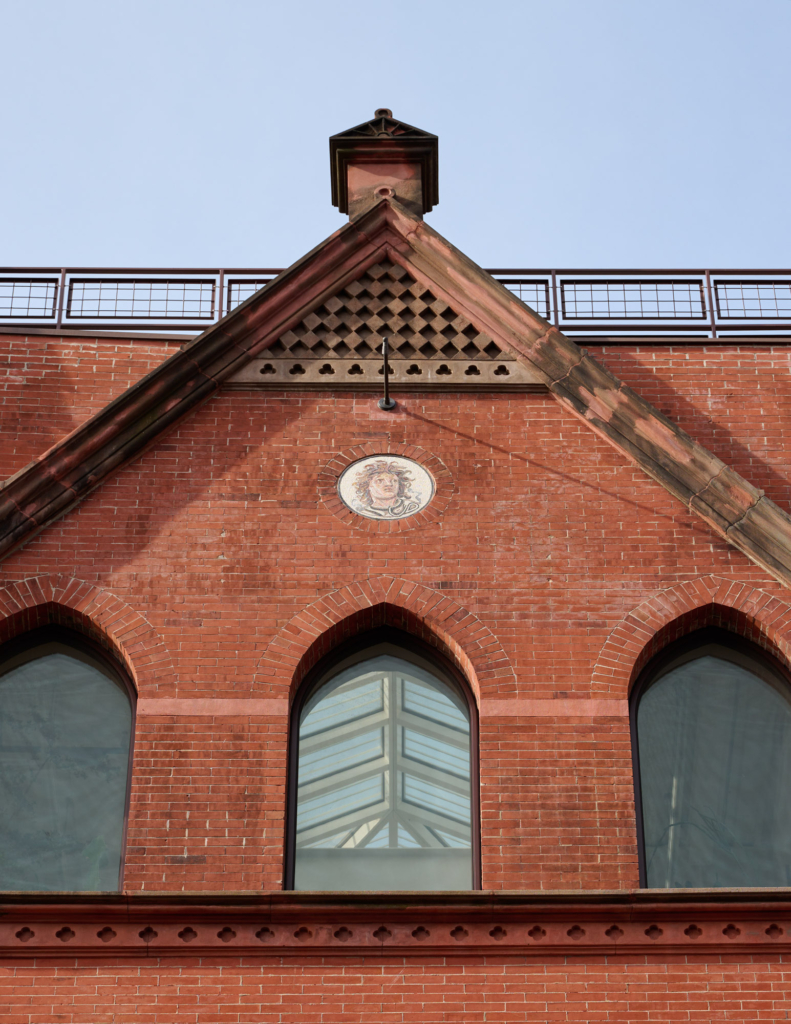
Originally designed by Thomas Henry Poole, Harlem Rectory forms a striking example of neo-Gothic architecture. Its pointed arch windows enhance the verticality of its impressive facade, which incorporates a brownstone base, red brick walls and delicate crowning. However, since its completion in 1907, the building had fallen into disrepair and a thoughtful renovation was required to re-establish its former presence. “The client came to us with a desire to respect the integrity of the building without being overly precious about it,” says Tal Schori, founding partner of GRT Architects. “We prefer to think holistically about projects of this kind, considering not only how the light moves through the interiors but also the ways we can build responsibly, preparing the home to last another century.” As a result, the design champions longevity through a natural progression of spaces and timeless materiality.


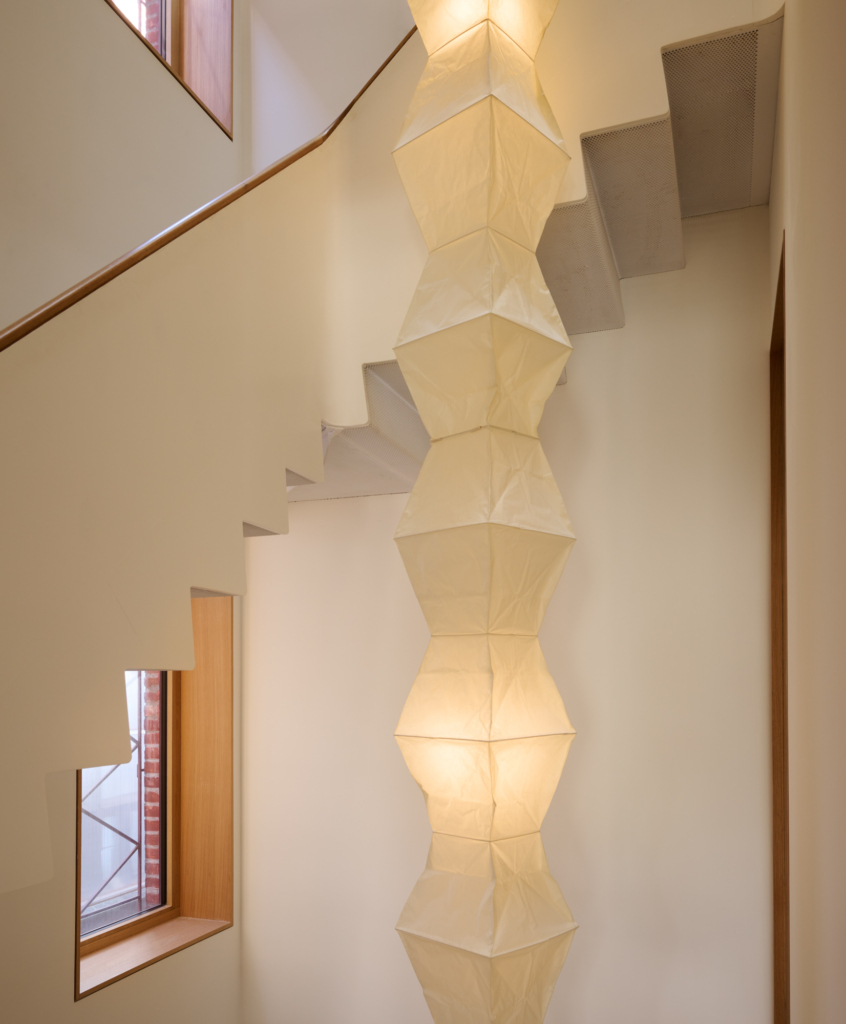
“Approaching from the street, you enter a parlour level a few steps up from the sidewalk,” says Schori. “There you find a casual seating area as well as the staircase that leads to the kitchen and dining room.” A large sliding door connects these spaces to the adjoining terrace, where residents can enjoy views of a tree-lined courtyard. The next level is accessed by a perforated metal staircase, at the end of which lies the primary suite and the living room three steps above. Ascending further, residents reach the children’s bedrooms, bathroom and den, with the latter adorned with built-in bookshelves. The top floor houses the client’s painting studio beneath an expansive skylight.
Throughout Harlem Rectory, the material palette expresses a focus on modernity and cohesion. The visual weight of the architecture is lightened by white oak, which features across the floors, window frames and millwork. Though the material is used consistently, its application is intentionally varied to define the character of each space: on the third-floor mezzanine, the timber is employed as an extensive wall lining to create an intimate ambience, while in the living room, the warm wood is showcased on the upper part of the walls and the ceiling to emphasise the height of the space. The white-painted metal of the perforated staircase establishes an airy scheme. “The staircase wouldn’t have been possible without the help of Mark Ellison – one of the builders on the project – who went above and beyond to take an industrial material and bend it in a way that made it elegant and light,” says Schori.
“Our projects are only a success when the people who live in them are comfortable and feel that they can grow,” he continues. Both warm and grand, Harlem Rectory invites residents to embrace their creativity in a bustling historic neighbourhood.
Photography by Jason Schmidt. Architecture and interior design by GRT Architects. Build by Mark Ellison, Adam Marelli and Bob Chan. Landscape design by GRT Architects and Laura MacDonald.