How to Create a Home That’s Built to Last
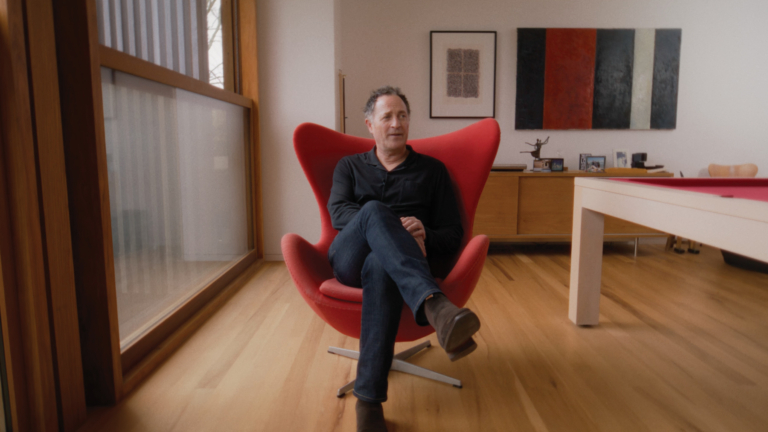
For Noah Walker, director of Los Angeles-based architecture firm Walker Workshop, a home that’s built to last is one that is enduring, timeless and deeply embedded in place.
“For us, having a home that’s site specific and built for its context is essential to creating a home that’s built to last,” explains Walker. This philosophy is key to some of his most successful projects, such as Bridges House, which is situated in Mammoth Lakes – a mountainous, alpine region of California. “The context up here is really the mountains, and building a home at 9,000 feet has its own special set of requirements and challenges. With 50 feet of snow coming in every year, it’s very important to design with that in mind.”



The home’s A-frame structure, with its generous overhangs, shelters the home and its inhabitants from harsh elements while opening them to the surrounding views. “This house is an example of a design that I think is going to look great forever because it’s situated very well in its context,” says Walker. “It looks like a place of shelter… and yet when they want to go out and look into nature, it is right at their doorstep.” The main living spaces sit on the second level, while guestrooms are tucked below where light and access to the outdoors are less paramount. Gaining a deep, in-person understanding of the site and typology allowed him to create a design that maximised sunlight and view while protecting the occupants from the elements.
When it comes to materials, his approach is equally intentional and often looks to the local environment for inspiration. “For us as a studio, it’s important to select materials that are long lasting and permanent. And typically we want to design warm and minimal spaces that are deeply rooted in their place and context.” In Bridges House, he used shou sugi ban siding – pre-burned, weather-resistant wood that can withstand extreme wind and snow. The dark wood creates an exceptional contrast with the white snow in winter, while blending into the darker pine groves in summer.



Inside, local basalt stone floors and rough-cut wood surfaces bring a sense of warmth and permanence. Both are also very tough and durable to withstand ski boots and snow. Even in the details, Walker embraces materials that will age gracefully and develop patina over time, such as the soapstone kitchen benchtop. “The choice of soapstone here was one of allowing the surfaces to develop character over time,” he says. “It’s nice to choose materials that develop personality through use… it really lends itself to the sense that you’re building for longevity.”
That longevity also comes from the relationship between architect and client. “It’s really critical to get to know your clients early and really understand how they are planning on using the home,” he says. “Homes are machines for living… and as the family ages and evolves, the home can flex to adapt to new uses and experiences.” At Bridges House, this collaboration runs deep, as even the furniture was handcrafted by the homeowner. “What you end up with is a house that has really unique character and personality… it feels like an act of love and something that will be special for future generations.”
This series is brought to you by Fisher & Paykel.
Architecture and interior design by Walker Workshop.