How To Design a Home
Joelle Kutner and Jesse Rudolph from Los Angeles-based design studio Ome Dezin discuss the five key ways to design a home that feels like a sanctuary.
A sanctuary can mean different things to different people: it can be a sense of calm, a retreat from the hustle and bustle of the world, a place connected to nature or a space where you can truly relax and be yourself. Walking through Kent, a transformation of a 1956 residence in Brentwood, Kutner and Rudolph explore all the ways that they approached turning this home into a sanctuary.

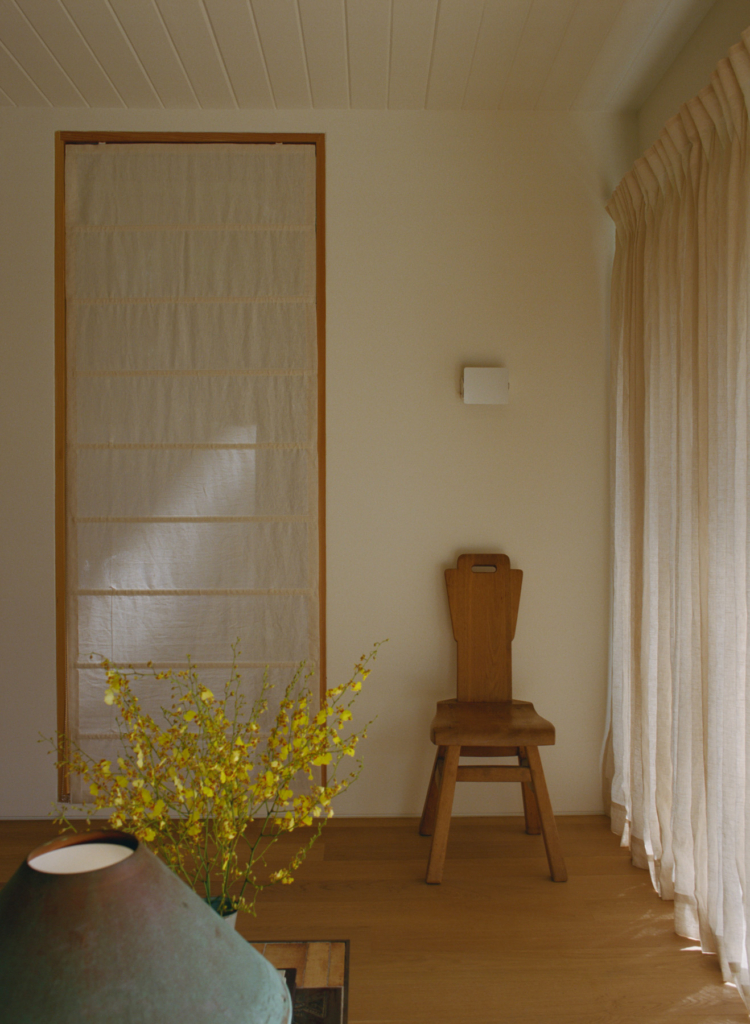
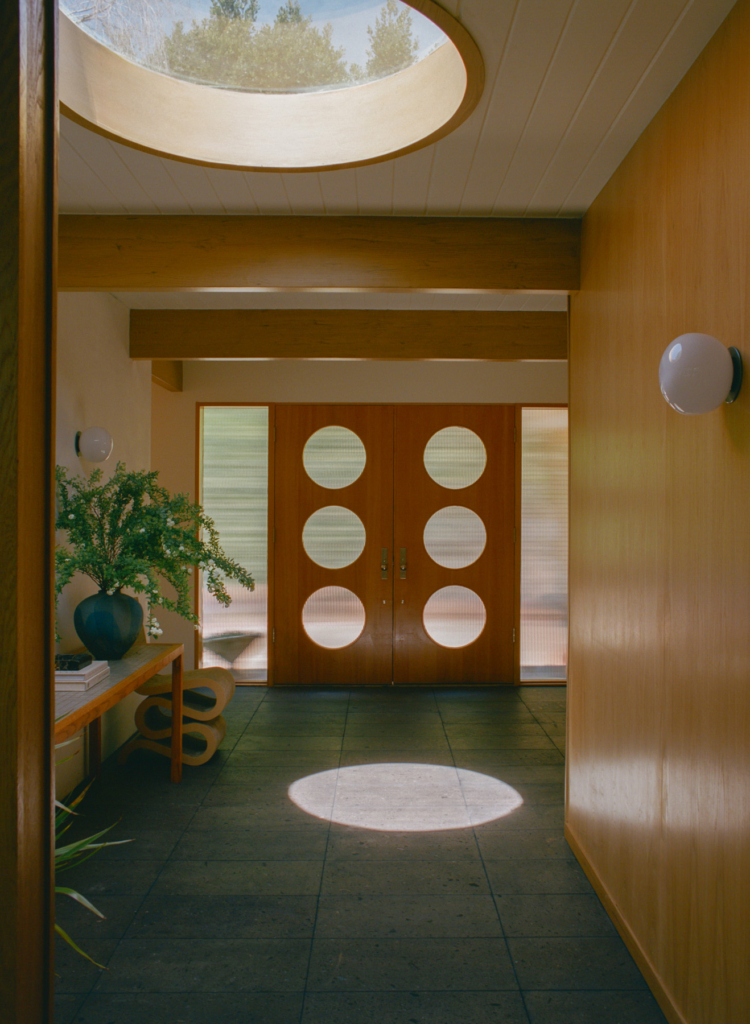
Better flow is about creating a sense of ease, allowing the space to feel settled and relaxing.
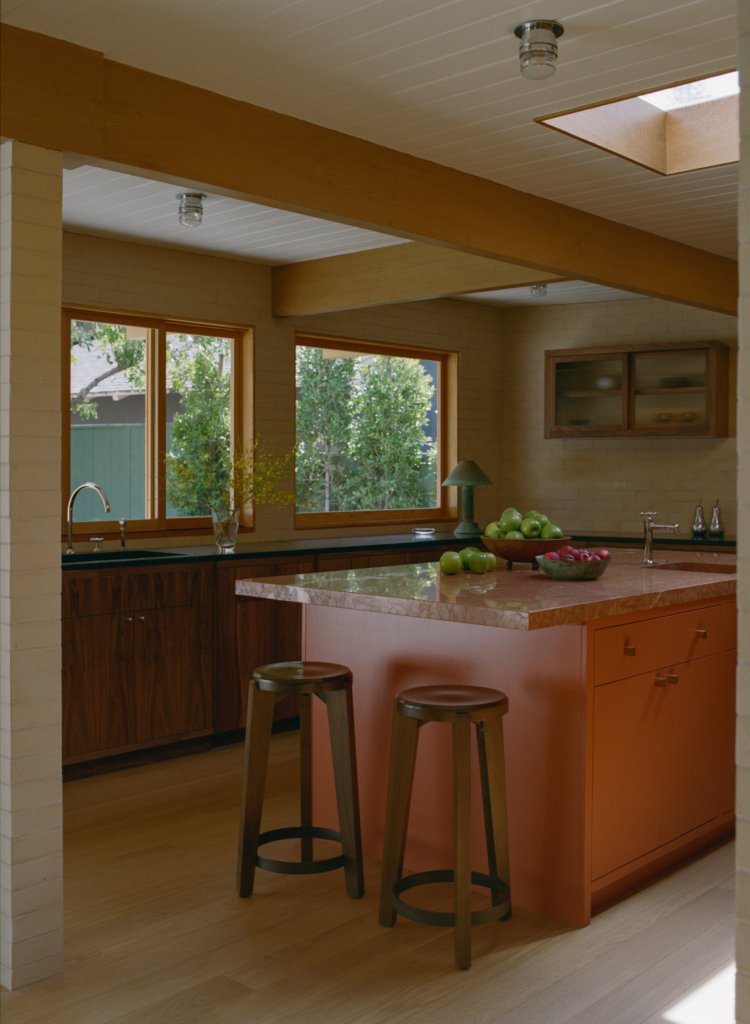
With Kent, the starting point wasn’t aesthetics: it was flow. “One of the first things that we really look at when designing a home is how it flows through a space. So functionality is key,” Rudolph says. It’s a reminder that before a home can feel calm, it has to make sense to its inhabitants. “It’s really important that a home obviously is beautiful, but before that, it needs to function properly.”
That functionality begins with layout. Kent was initially composed as a series of enclosed, disconnected rooms. The solution was to open everything up – visually and physically – to create connection not just between rooms, but between interior and exterior. Better flow is about creating a sense of ease, allowing the space to feel settled and relaxing. As Kutner adds, “It’s something as simple as having enough storage… There’s not too much clutter. There’s a place for everything.”


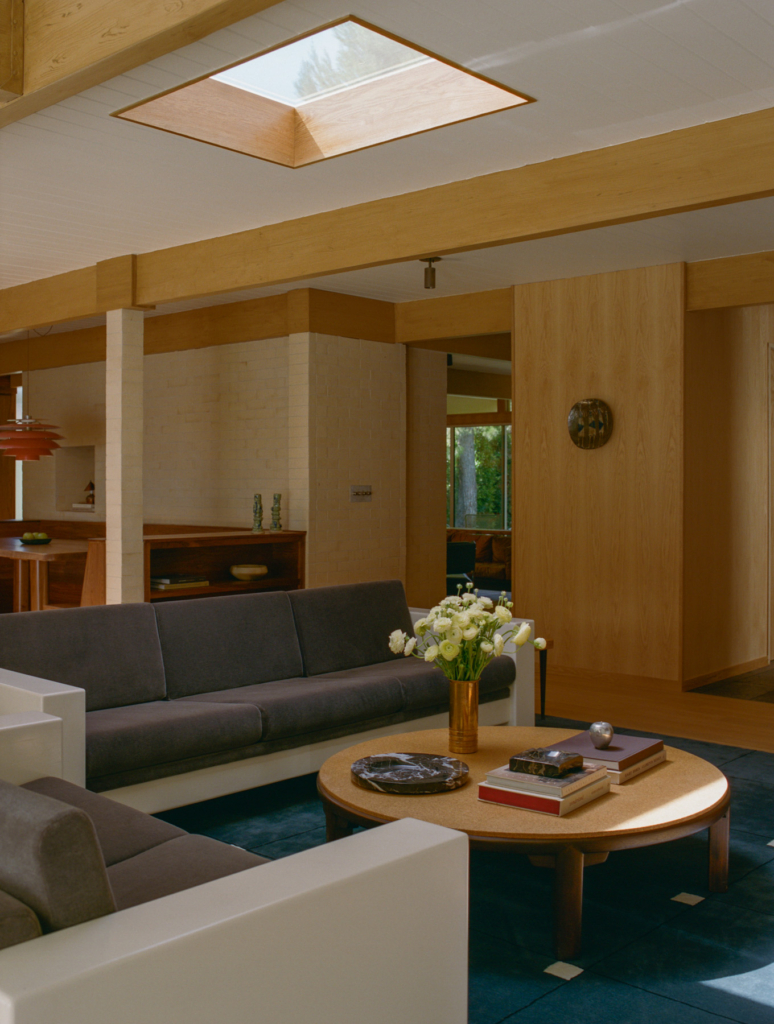
From there, focusing on a natural material palette is the next step. As Rudolph notes, “We really start with a base of natural materials, warm wood, stone, metals… I think as you’re closer to the earth and natural materials, you always get a sense of calm and tranquillity.” At Kent, the bathroom has a restrained earthy palette of oak, marble and brick. These natural materials are infused with history but are also designed to patina over time. The pair always encourage material choices that aren’t too precious. “It’s important that it’s beautiful but also feels liveable. You don’t want to feel like you’re walking around a museum.”
Light is another essential element. “Natural light for us is such a great, impactful way to create a space and a sanctuary for homeowners,” says Rudolph. Their approach is simple but effective: bring it in wherever possible. “Skylights are surprisingly inexpensive and very effective in inviting natural light into every space of your home.” The movement of light throughout the home shapes how people live and is an important part of everyday habits and rituals.


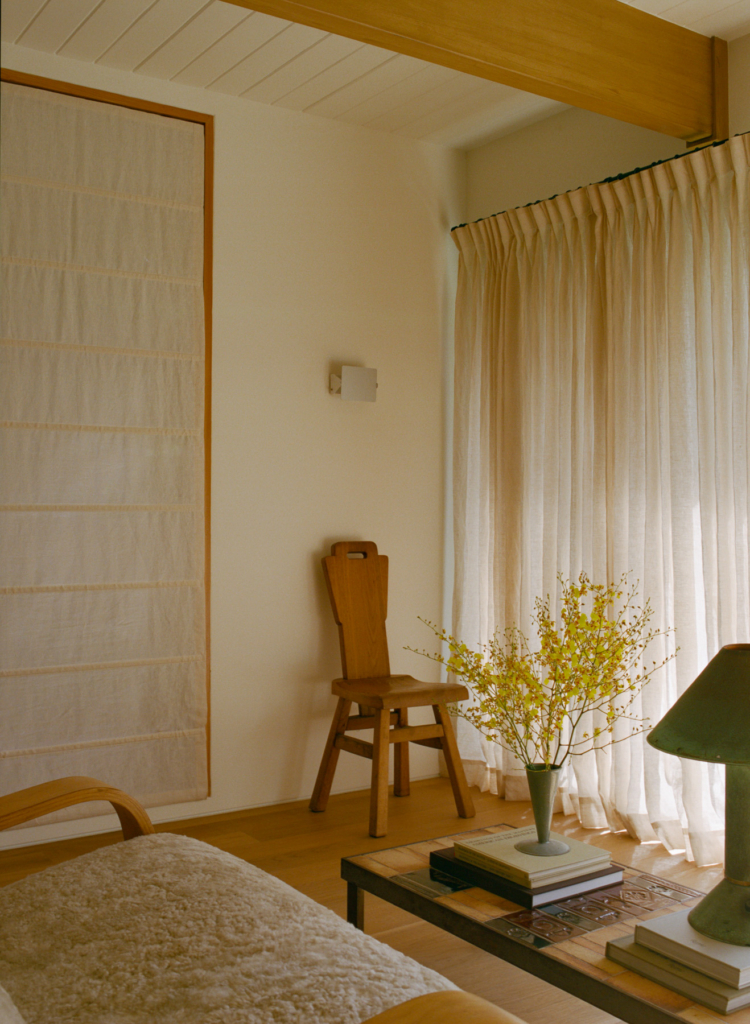
Maintaining a close relationship to the outdoors is also a key part of making your home feel like a sanctuary. “The natural world is infinitely calming,” says Kutner. “Being in the grass or being among trees is just so healthy for your mind, body and soul.” In Kent, they aimed to remove boundaries between indoors and out, creating a sense of continuity by adding sliding doors or walls of windows, and by using external materials indoors so that it feels like an extension of the outside.
Most important to the duo is bringing in a sense of personality. “Within our design practice, a sense of playfulness, creativity and innovation is always really important to us,” says Rudolph, noting that even in the calmest spaces, there needs to be life. “Infusing colour and creativity also allows the people living in the home to feel like they can be open and express themselves.” Because ultimately, a sanctuary isn’t just about calm or stillness – it’s about creating the kind of space where you feel like you can be your most authentic self.