The Psychology of Space
A home as a space of refuge and seclusion is at the heart of Scott Mitchell’s human-centred approach to architecture, where light, space, program and materiality are key to influencing our psychology.
For Scott Mitchell, founder of Scott Mitchell Studio, architecture begins not with form, but with feeling. “I think if you distil architecture down to its core essence, what it’s really about is having the potential to influence the human spirit,” he says. This philosophy had been shaped by more than two decades of practice across the United States and internationally, where his work consistently straddles the built and natural worlds.

“Architecture, like music, is temporal. The experience isn’t a fixed image in time… it unfolds like a song.”
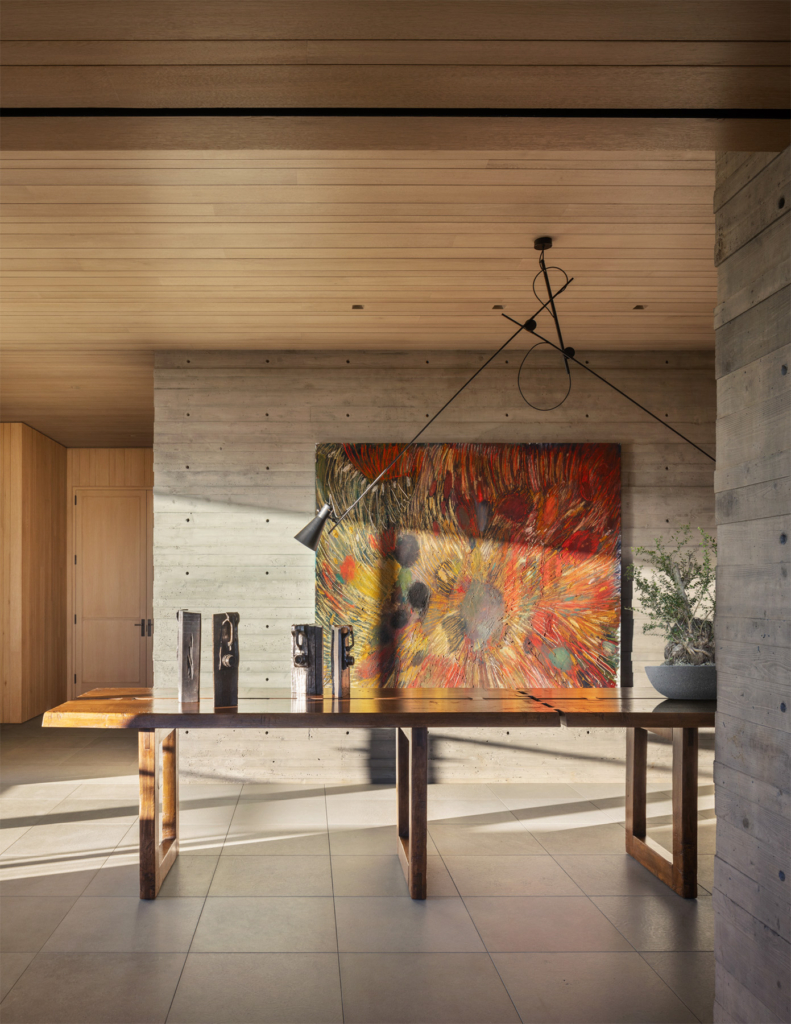
At the centre of his thinking is what he calls the “psychology of space”. “Perhaps the most important device of architecture at its greatest potential is to affect human psychology,” he explains. Drawing on primal instincts, he likens spatial design to the safety of a cave – a place of refuge with a clear outlook. “It really is about appealing to some of the fundamental psychology of our primal nature.”
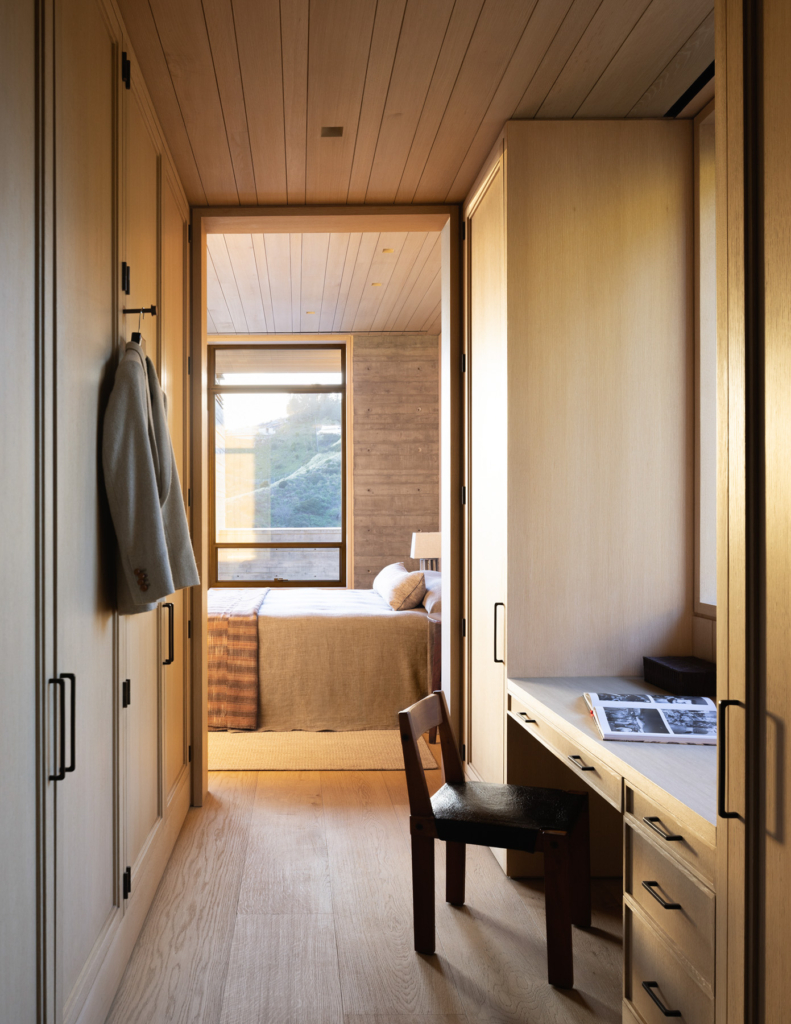
Light plays a leading role in this experience. “We really celebrate light. It draws us through a space. It becomes this device that sort of teases us, beckons us through a space.” For Mitchell, one of the best aspects of sunlight is that it is constantly changing throughout the day. “You have this constant evolution of the frame, and the frame is always shifting as shadows fall across a space. It really kind of enriches the experience.”




This sense of movement extends to how his homes are experienced over time. “Architecture, like music, is temporal. The experience isn’t a fixed image in time… it unfolds like a song.” That sense of space and sequencing is deliberate, from unexpected arrival points to carefully organised transitions between public and private zones. “The unfolding of space is one of the great opportunities for architecture to be exciting.”
Materiality, too, is integral. “Materials are, at the end of the day, what humanises architecture.” His palette leans toward raw, natural materials – concrete, timber, stone and steel – not to compete with nature, but to frame it. Even views are revealed with restraint. “There is a little bit more romance in the unveiling of the view,” he says, favouring gradual discovery over immediate exposure.


Ultimately, Mitchell sees the potential of architecture as a force that can elevate the human spirit. “I think there is a power in creating spaces and buildings that not only just programmatically work well, but also inspire us to something greater within ourselves.”
In a fast-paced, heavily populated world, he notes that a sense of refuge and seclusion is becoming more significant than ever. “It’s more and more important to have spaces and places that we can retreat to and feel safe from the world.”