Creston House
In approaching the restoration of this mid-century modern gem by renowned architect Roger Lee, Mork-Ulnes Architects sought to preserve its warm materiality and clean lines while enhancing spaces for modern use.
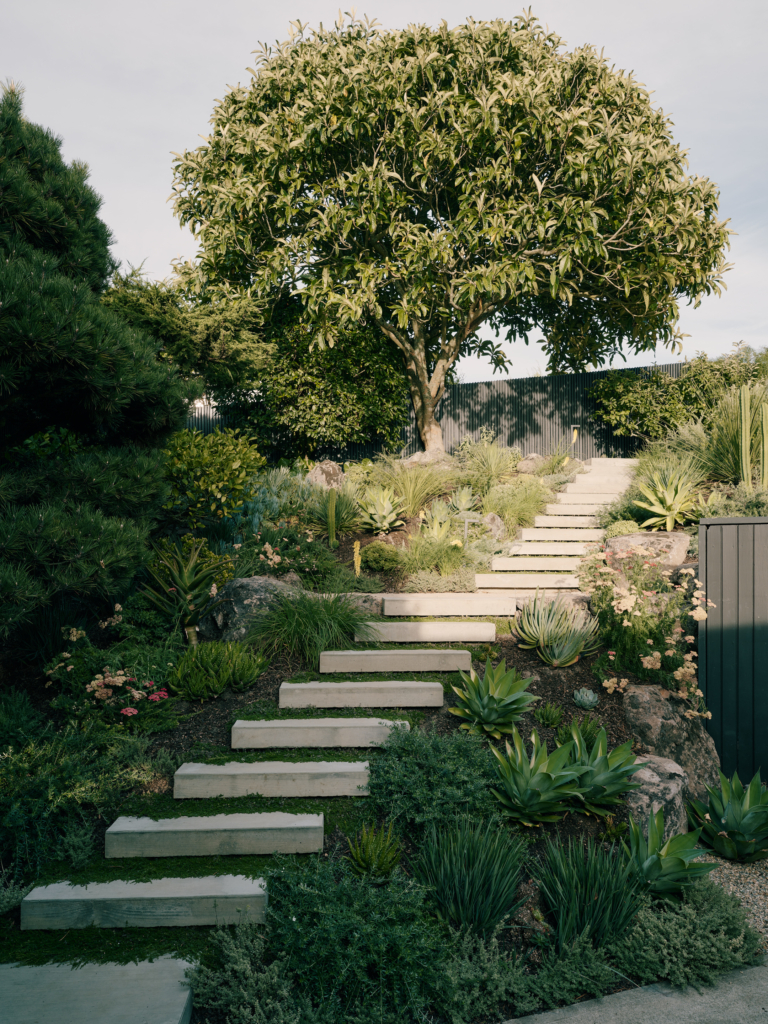
Perched on a sloped Berkeley Hills site overlooking San Francisco Bay, the home had not been touched since it was built in 1956. Built over two levels with a simple floor plan and mahogany-wrapped interior walls, there was already plenty to celebrate in its quintessential mid-century aesthetic. However, its new owners hoped to make some gentle changes that would help open spaces to light and movement.

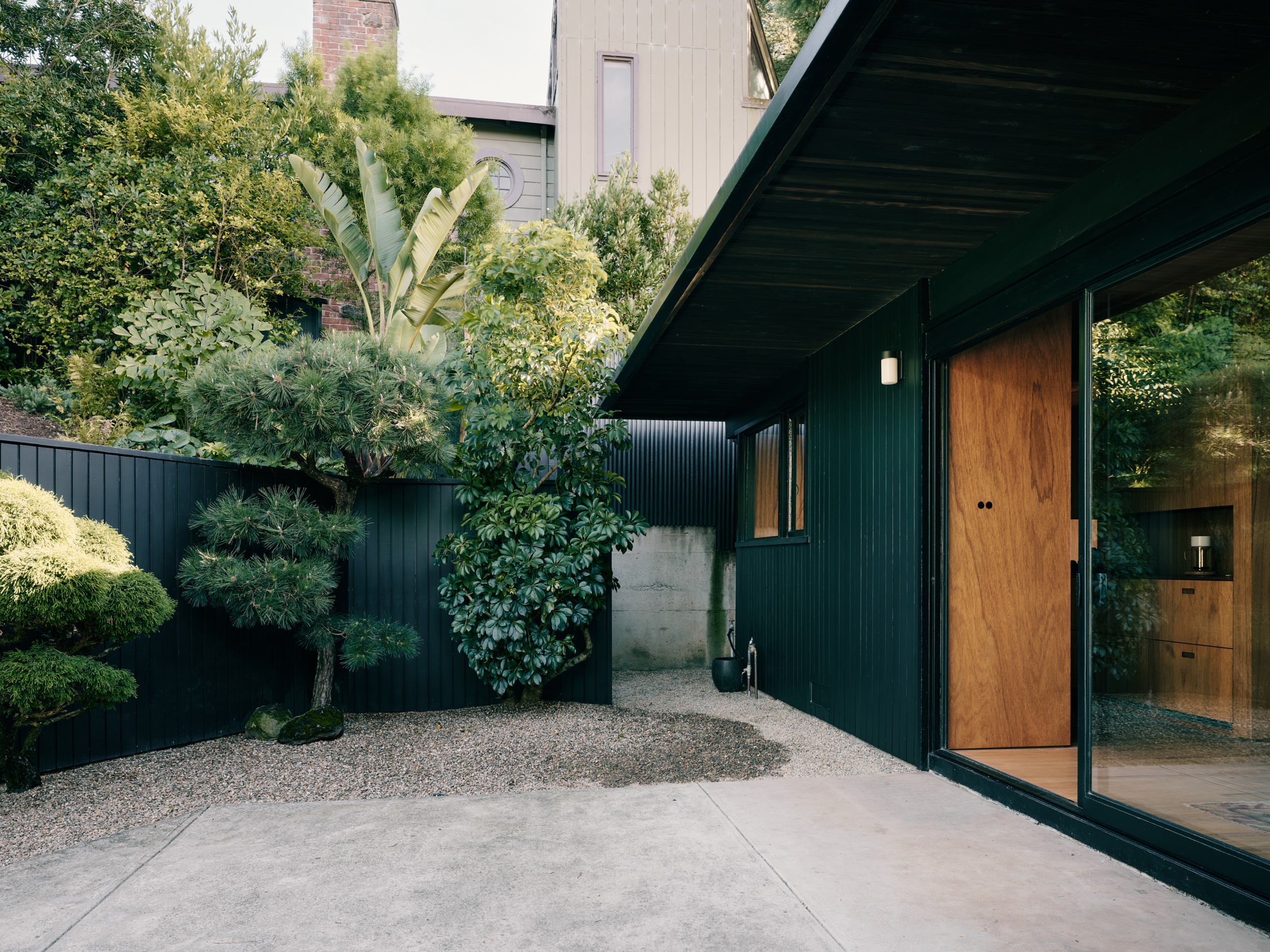
In doing so, they called upon Casper Mork-Ulnes of Mork-Ulnes Architects, who immediately recognised the need to retain such character features as the solid laminated ceiling with its exposed beams and the unpretentious nature of its linear detailing. Taking a considered approach, his plans included removing sections of internal wall to connect the previous galley kitchen to the main living space. Through these alterations, this and the main bedroom now have views and entry ways to the back garden and to the front of the home, where the original ribbon windows allow the homeowners to soak in those sea views. The renewed kitchen follows the home’s mid-century design language with wood surfaces and integrated, modern Miele appliances replacing the 1950s originals without interrupting that coveted mid-century aesthetic.
Functional spaces and storage, including two glowing, red mosaic-tiled bathrooms and a series of artfully crafted cabinets, are contained within a timber-lined central core. The existing tile floors were replaced with red oak for a sense of consistency throughout the house, while furnishing was chosen for its modest beauty, with contemporary pieces easily cohabiting with the timeless nature of the architecture. Lighting is also understated, with white orb-like lamps carrying through most rooms. Over the dining table, a horizontal feature light from Established & Sons adds ambience.

Externally, the home’s original nail laminated timber roof was retained and restored. This feature contributes to the home’s light-footed, planar construction, which accentuates its clean lines and restrained scale. With much of the existing building remaining after the renovation, this is an excellent example of sustainable, adaptive reuse, proving that minor, well-considered interventions can be highly impactful.
By optimising flow of movement through the home and enhancing connections with natural light and the outdoors, the renovation extends a dialogue back and forward through time, celebrating and safeguarding the unassuming character of its original architecture while preserving it for the future.
Architecture by Mork-Ulnes Architects. Build by Nima Construction.