Hudson Home
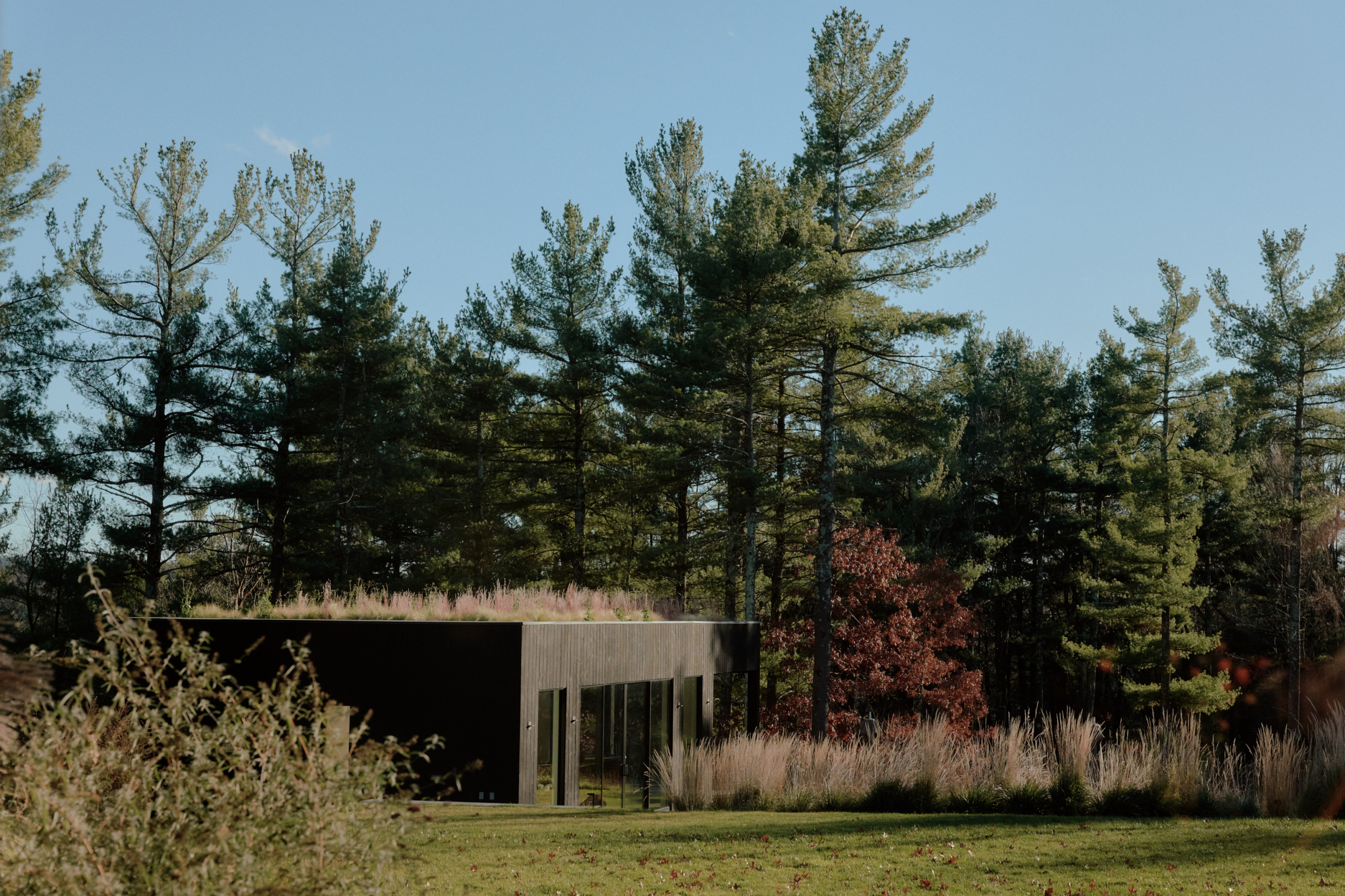
Hudson Home is, in many ways, exactly what its name suggests: a nature-led escape in Hudson Valley, New York.
Set in a converted barn built in the 1970s, the tranquil, expansive home was designed to highlight the natural light, texture and stillness that connect it to the landscape. The structure was originally designed by Erlend Neumann, who specialises in sustainable architecture. For the interiors, homeowners and Calico Wallpaper co-founders Nick and Rachel Cope turned to Sarah Zames and Colin Stief of General Assembly, collaborating closely with the studio throughout the process.




The barn’s original bones provided a clear starting point, with the team making subtle interventions to bring in light and improve flow. “From the beginning, the project was about creating a home that could also act as a kind of backdrop for the work of Nick and Rachel’s community: friends, collaborators and other designers they’re close to,” Stief says. “We weren’t interested in a single dominant gesture, but rather in building a framework that could hold a range of voices and objects.”
The project unfolded over roughly a year, with natural pauses that gave the team space to revisit ideas, pare things back and return with fresh eyes. The result is all the more considered for it.
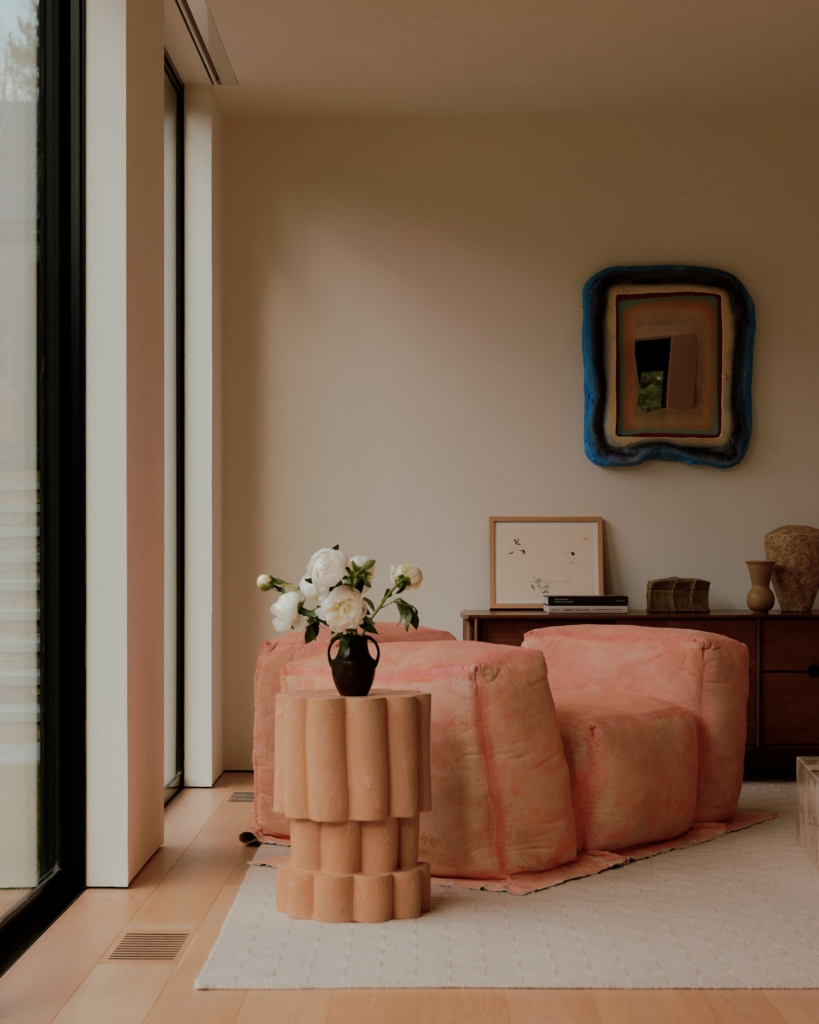
“The furniture was curated as a balance between sculptural presence and comfort, with many pieces chosen for their organic forms and material richness.”


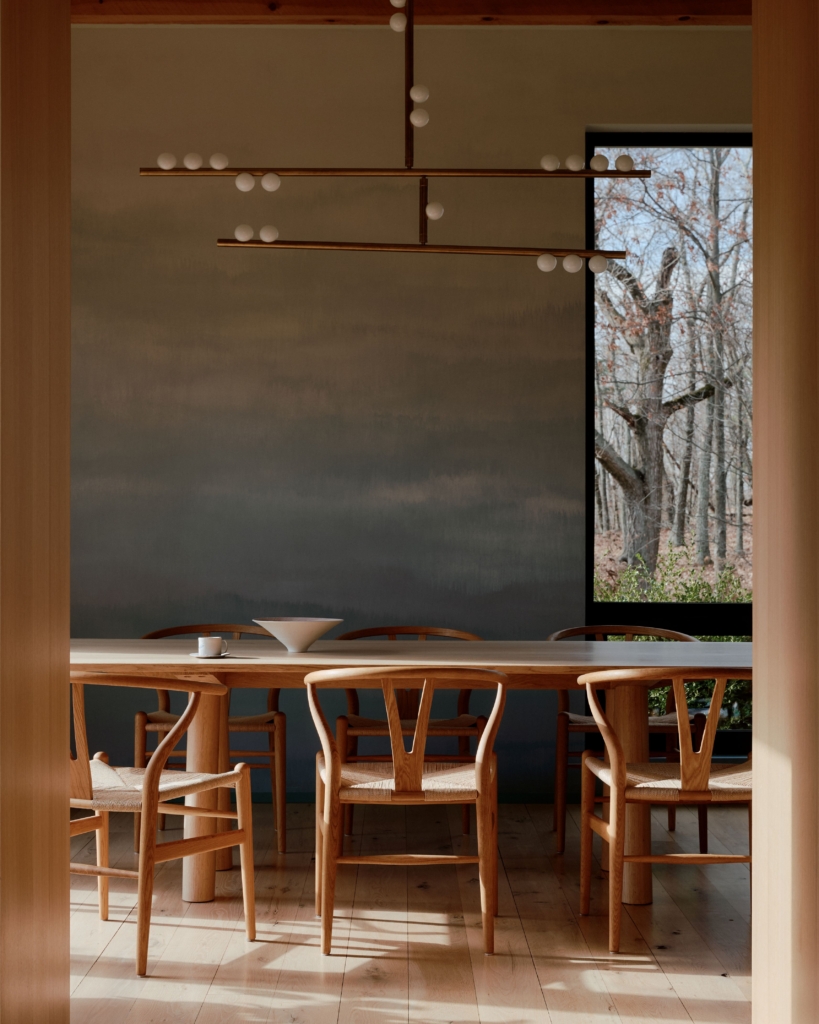
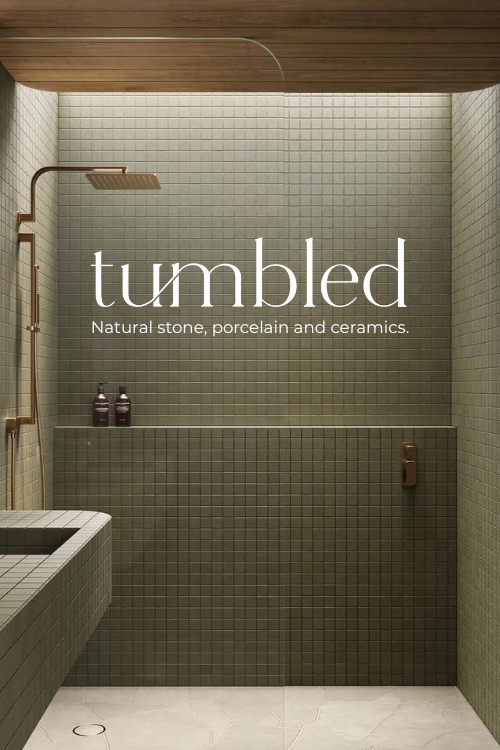
Stief and Zames’s intention was to create continuity while giving each space a distinct identity. Calico Wallpaper appears throughout the home, but never as a showcase; each pattern was chosen to feel like a natural extension of the room it inhabits. As makers themselves, The Copes were closely involved in shaping their own spaces. Working with General Assembly, they selected materials including plaster, timber and soft textiles to lend the house a warm, lived-in quality. Longevity was central to the material palette, with hand-finished Madera Floors timber flooring and artisanal Clé tiles chosen to develop a natural patina over time. Layered textiles soften the bedrooms, while the bathroom tiles introduce quieter, zen-like moments that deepen the home’s overall sense of intimacy.
“The furniture was curated as a balance between sculptural presence and comfort, with many pieces chosen for their organic forms and material richness,” Nick says. “We mixed vintage pieces like the de Sede leather sofa with contemporary elements like the large Noguchi pendant to create a dialogue between past and present, ensuring the home feels collected rather than designed all at once.”


Every artwork and object was chosen for how it feels as much as how it looks. The Toogood bench at the entrance, for example, brings a moment of contrast and intrigue, grounding the space without competing with the calm around it. Pieces throughout the residence add a layer of personal history and storytelling, reflecting Nick and Rachel’s creative background. “The central narrative was about creating a retreat that feels both grounding and transportive, a place where materiality and light guide the experience,” Nick says. “As the project evolved, we became more attuned to subtle shifts in tone and texture, allowing the design to unfold in a more intuitive way. Ultimately, it became less about concept and more about feeling.”
There’s something quietly powerful about what happens when the right collaborators give a project room to breathe. Hudson Home is very much the result of that.