Market-receptive design
Working closely with architects and designers, Melbourne real-estate company Jellis Craig’s team can help form design decisions to ensure properties meet market demands.
While architecture plays a critical role in the success of a home, great design doesn’t exist in a vacuum. With market expectations shifting, buyer preferences evolving and liveability becoming a driving force in purchase decisions, it’s the feedback loop between design and demand that often determines a project’s success. At Jellis Craig Inner North, design and marketing consultant Andy Vance is helping to close that loop, offering strategic guidance to developers and architects on what to build and how to present it.
“Great design is only valuable if it meets the needs of buyers. Early consultation helps avoid costly mistakes and ensures homes align with market demand.”
From floor plans to finish selections, Vance works closely with project teams to ensure their designs resonate with buyers before construction begins. This early collaboration helps avoid overcapitalisation, improves functionality and ultimately leads to stronger market outcomes. “We welcome involvement as early as possible in the design process,” explains Vance. “Great design is only valuable if it meets the needs of buyers in that specific area. Early consultation helps avoid costly mistakes and ensures that homes align with market demand.”
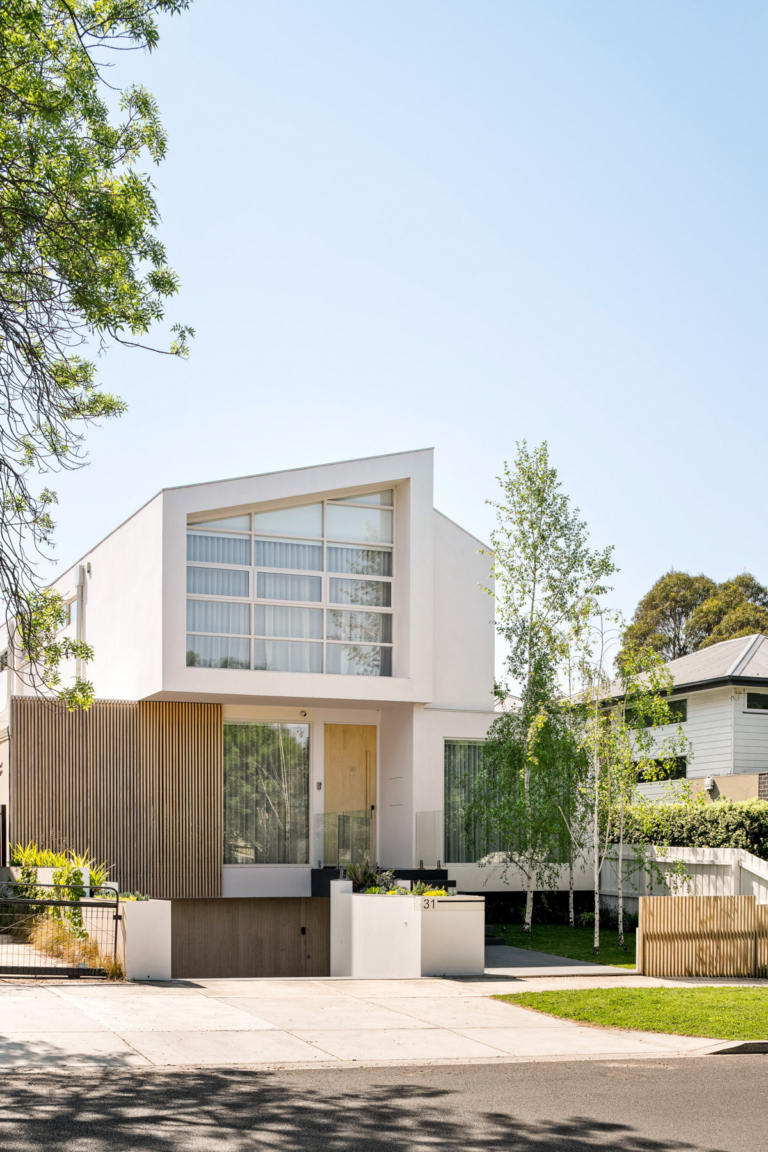
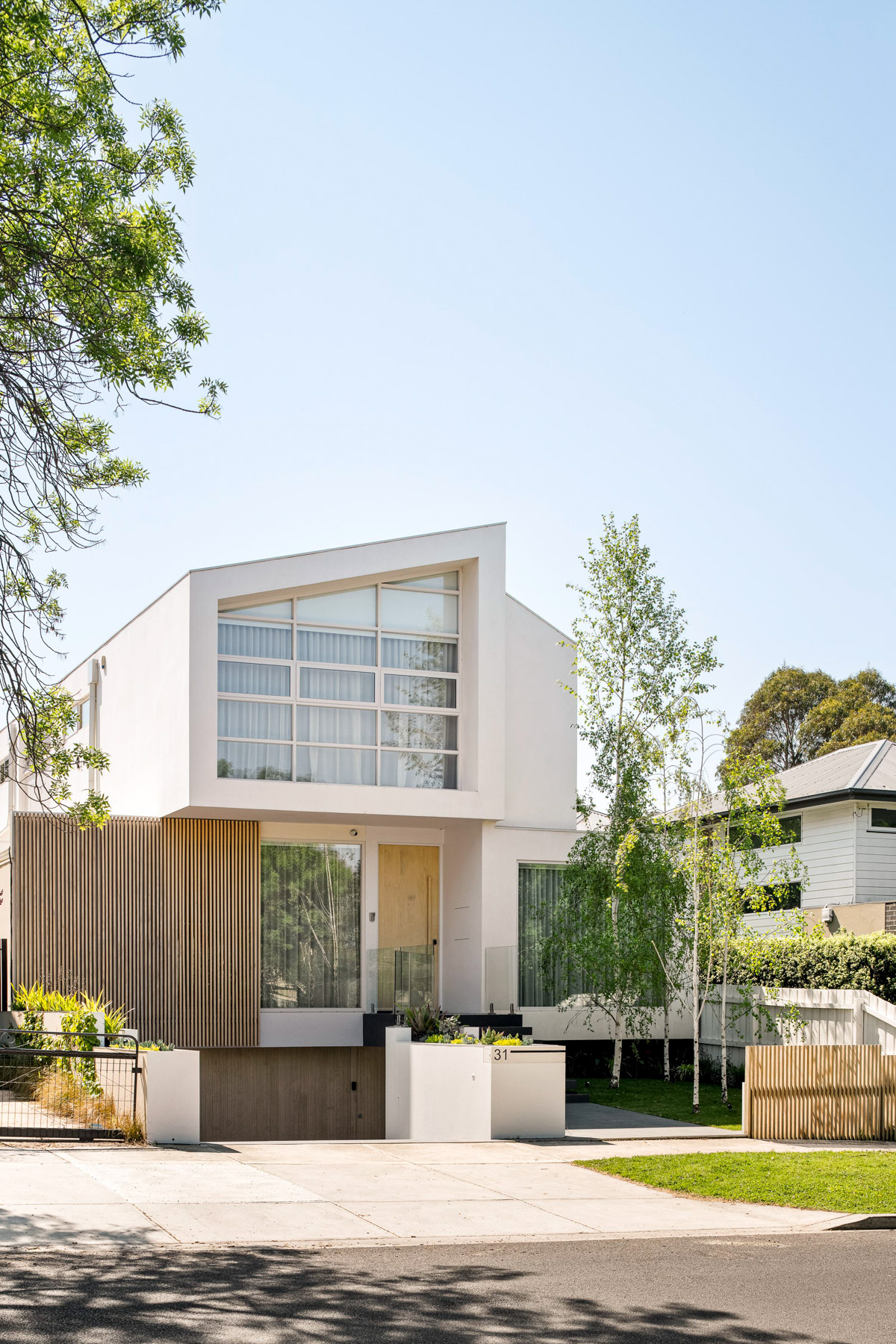
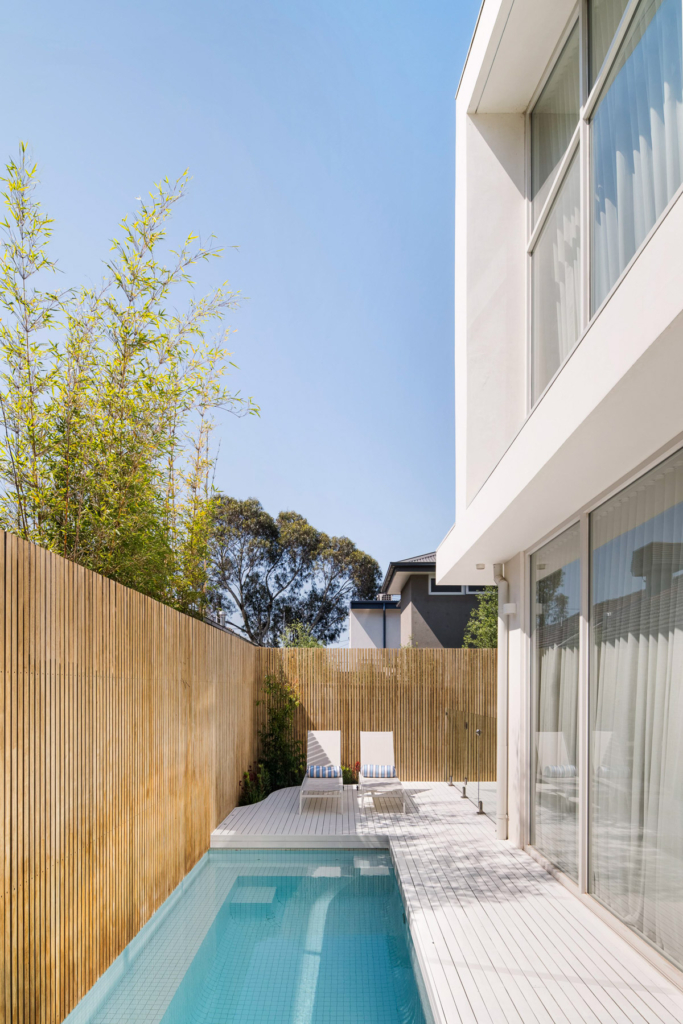
When advising developers, she often cites Melbourne homes like 29 Naroon Road, Alphington and 31 Kellett Street, Northcote as prime examples of design that balances architectural intent with practical, buyer-oriented planning. In these projects, thoughtful zoning, intuitive circulation and flexible living areas allow the homes to respond to how people live now – whether that’s the need for a ground-floor bedroom, a generous breakout space or seamless flow to outdoor areas. “A common misstep we see is the overuse of built-in features like desks or lounges. They limit flexibility. Leaving spaces more adaptable makes them far more marketable.”
What may seem like small decisions – such as including a ground-floor bathroom or choosing where a powder room is placed – can make a significant difference when it comes to buyer perception. “We once advised relocating a powder room that opened directly onto a living area,” says Vance. “A small change, but it made the home feel far more cohesive.” She also highlights design details such as mezzanine living spaces – while they might look impressive, they can create noise issues that compromise liveability. “Design should always reflect how people actually use a home.”
The floor plan, of course, is just one part of the equation. As expectations around sustainability and lifestyle grow, buyers are paying closer attention to detail. Features like mudrooms, dedicated work-from-home zones and dual primary suites are becoming increasingly desirable. Energy-efficient inclusions that offer long-term value also fit this bill.
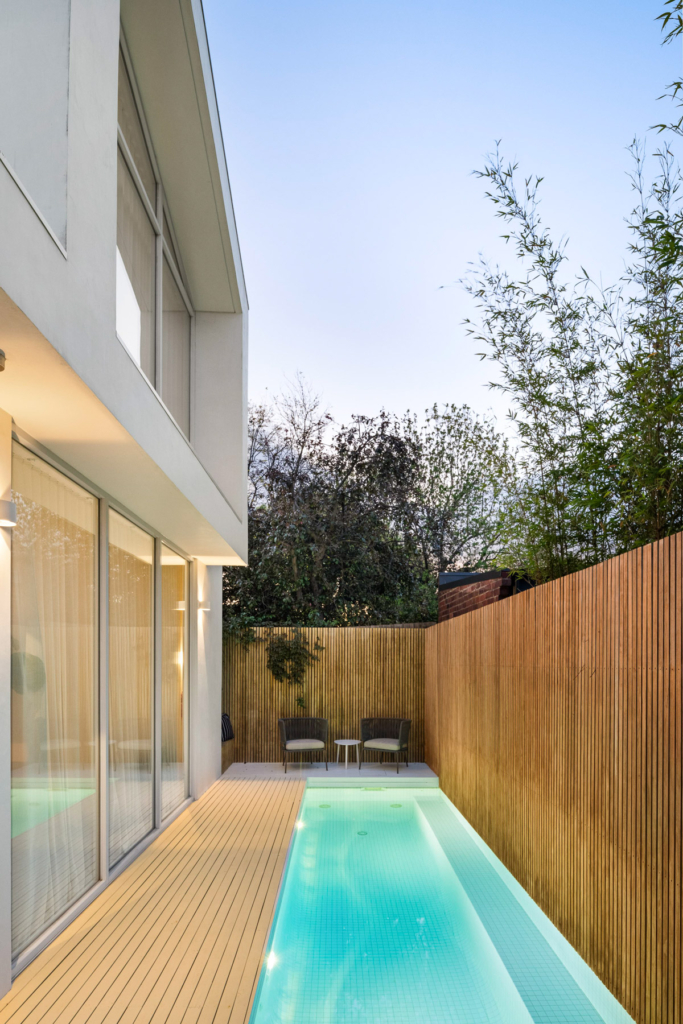
Finishes and materials shape buyer response, too. “We always encourage developers to stick with neutral tones. They create a timeless backdrop and allow buyers to visualise themselves in the space.” While bolder choices can work in the right context, natural textures, quality joinery and durable surfaces consistently appeal to the broadest audience.
With direct access to buyer sentiment and a finely tuned understanding of what makes a home desirable, Jellis Craig continues to play a vital role in guiding the next wave of considered, high-performing residential architecture.
Architecture by C. Kairouz Architects. Building design by Heartly.