Creating Connected Cities
Living Cities Forum returns to Melbourne and Sydney, bringing international architects, urbanists and researchers together to explore how care, design and collaboration can shape more connected, resilient cities.
Cities are often measured through the language of growth. Housing supply, density, infrastructure and economic performance dominate public debate, while other questions – how a city inspires belonging, supports community or responds to everyday life – can be overlooked. Yet, these qualities often define a place long after it has been built.
Returning to Melbourne and Sydney this August, the Living Cities Forum invites architects, designers, policymakers and civic leaders to reconsider those values through the lens of care. Presented by the Naomi Milgrom Foundation, the annual gathering has become one of Australia’s leading platforms for conversations around urban design, bringing together global and Australian thinkers whose work challenges conventional approaches to city making.
Now in its eighth iteration, the forum this year adopts the theme ‘Cities Made with Care’, exploring how architecture, governance, planning and spatial research can shape cities that are more sustainable, equitable and generous, and more deeply connected to the people who inhabit them. Rather than treating the city as a finished object to be refined through efficiency alone, the Living Cities Forum approaches urban environments as living systems, continually reshaped by culture, politics, ecology and everyday experience – and the way people live together.
In 2026, the international keynote speakers each bring a distinct perspective to these topics. Architect Anupama Kundoo (Germany/India) has built an internationally recognised practice grounded in material innovation, environmental responsibility and human-centred design.
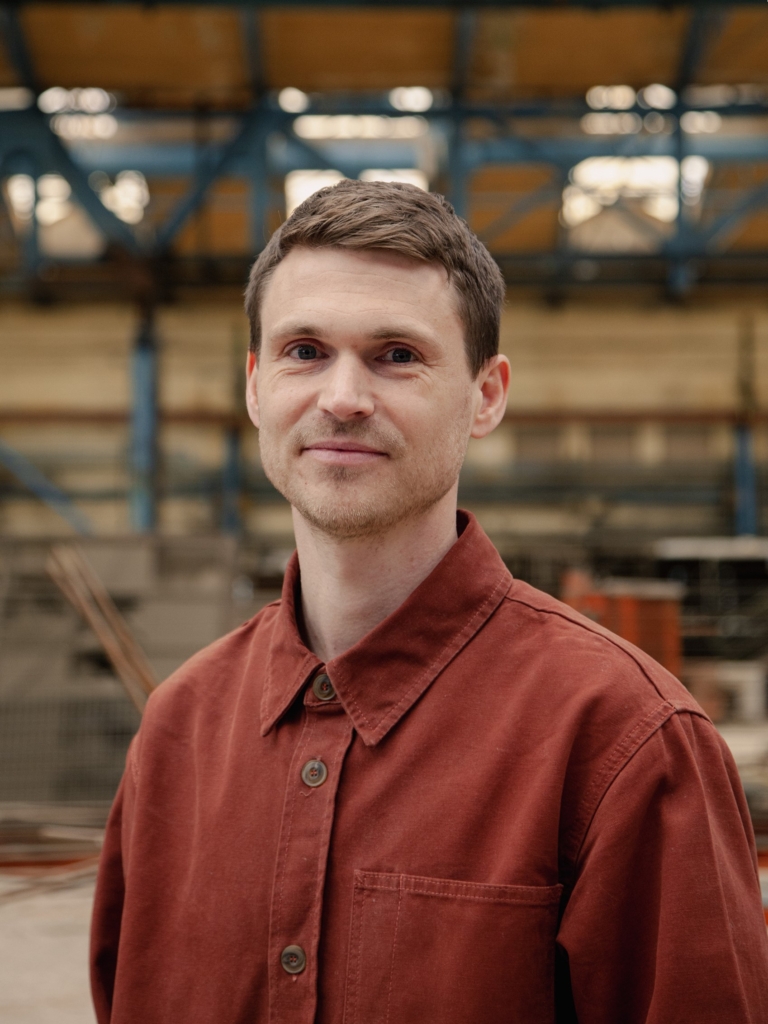
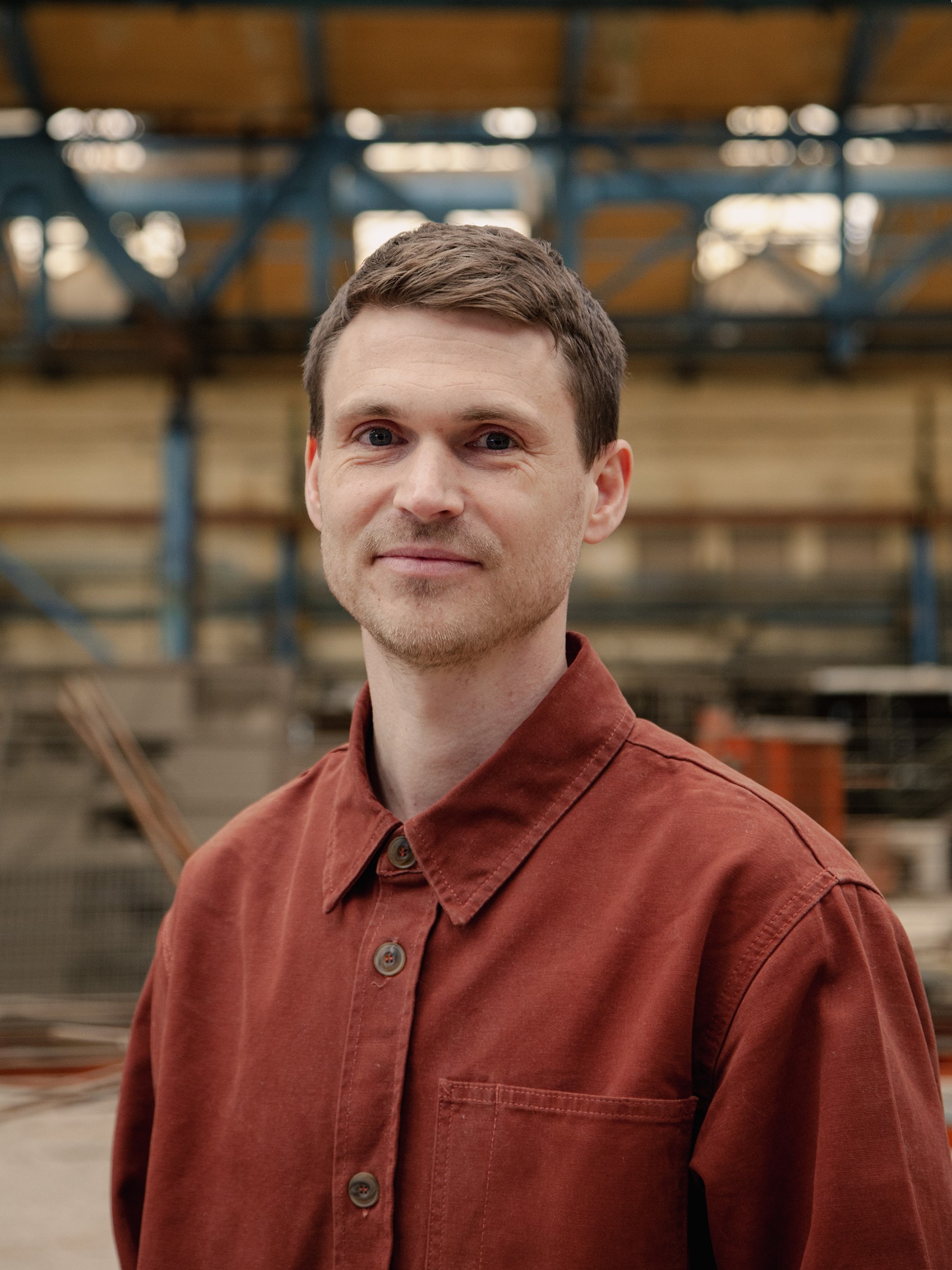
From Sweden, Malmö’s City Architect Finn Williams examines urban living through the intertwined lenses of public policy and design. His work is internationally recognised for demonstrating how planning and governance can actively foster civic equality, underlining how decisions made within institutions shape neighbourhoods and public life.
German futurologist and spatial researcher Ludwig Engel brings another dimension to the program, challenging prevailing assumptions about housing and the built environment. Through his advocacy for adaptive reuse and renovation – in particular through his work with the non-profit HouseEurope! – Engel argues that the future of cities depends as much on valuing what already exists as it does on constructing what comes next.
Collectively, the speakers offer perspectives drawn from different cultural and professional contexts, yet all point towards a shared proposition: better cities emerge when care becomes a guiding principle rather than an afterthought. In addition, Australian architects, designers, researchers and civic practitioners join interdisciplinary discussions examining housing as essential infrastructure and the foundation of identity and belonging.
For Naomi Milgrom AC, founder of the eponymous foundation, the forum seeks to broaden conversation around what makes cities successful. “Increasingly, cities are discussed through the language of targets, growth and delivery, rather than care,” she says. “The most meaningful cities are not defined by efficiency or economic success alone – they are places that foster connection and a sense of belonging.
“The international guests invited to speak this year each offer powerful examples of how care can operate as a radical framework for imagining and shaping the cities of today and tomorrow.”
Living Cities Forum is being held in Melbourne on 25 August at The Edge, Federation Square, and Sydney on 28 August at the State Library of New South Wales. Tickets and the full program, here.