Lucy Folk’s design guide to Tokyo
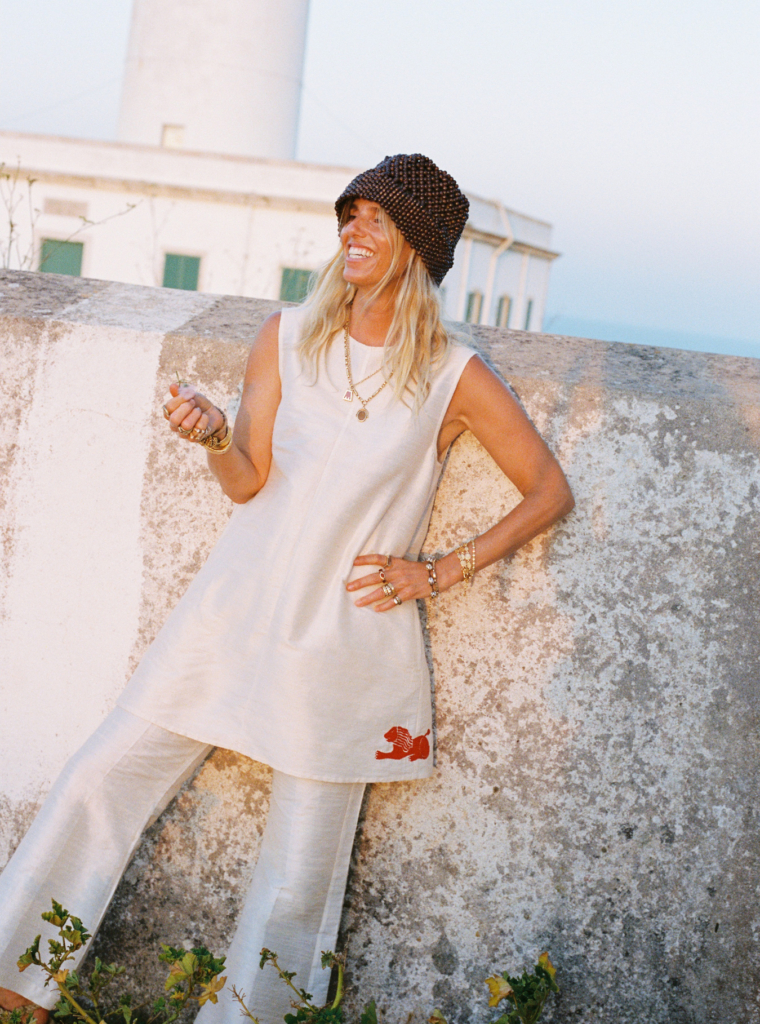
Lucy Folk, founder of the eponymous contemporary lifestyle brand, shares her go-to places for design inspiration in Tokyo.
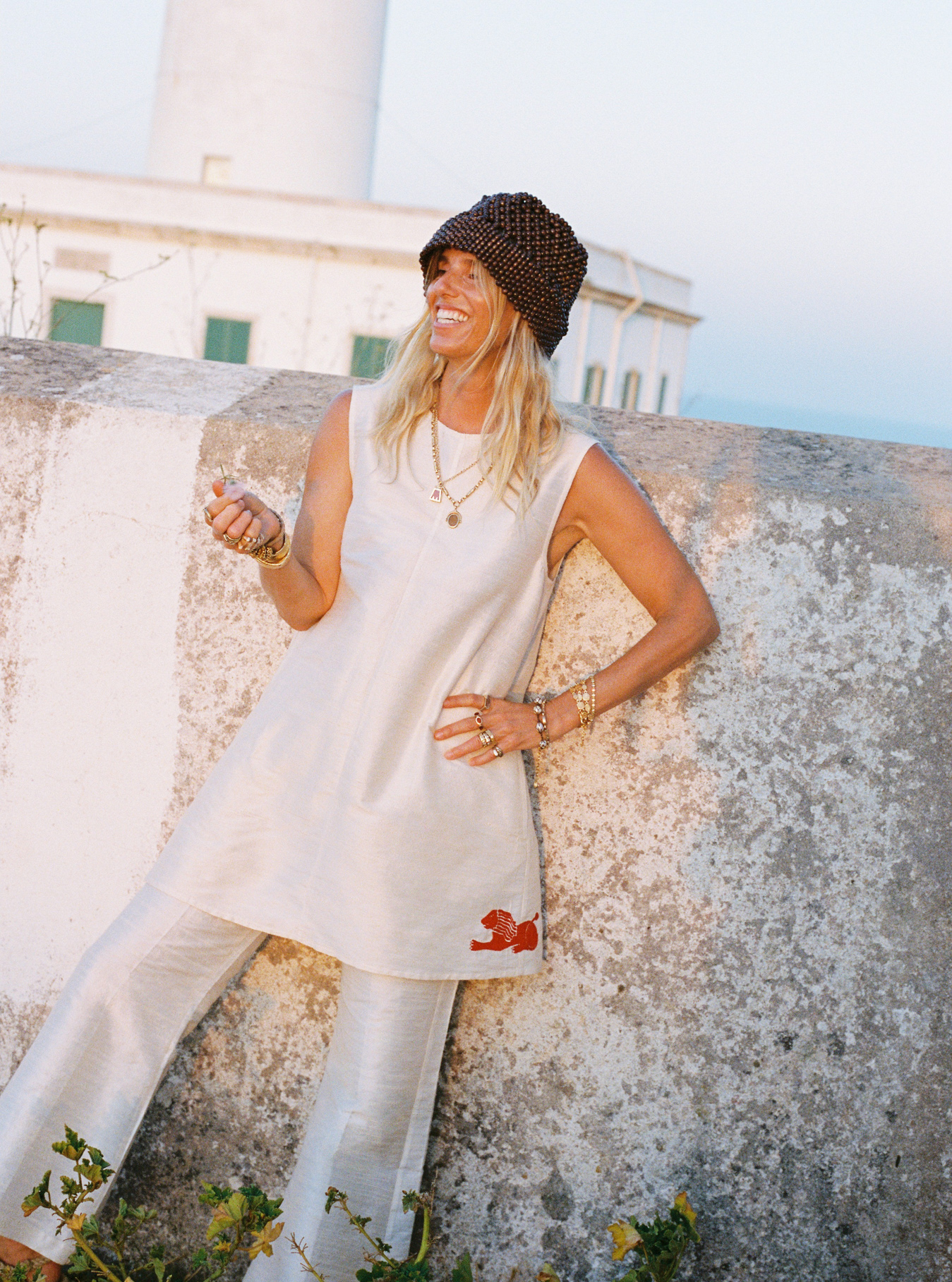
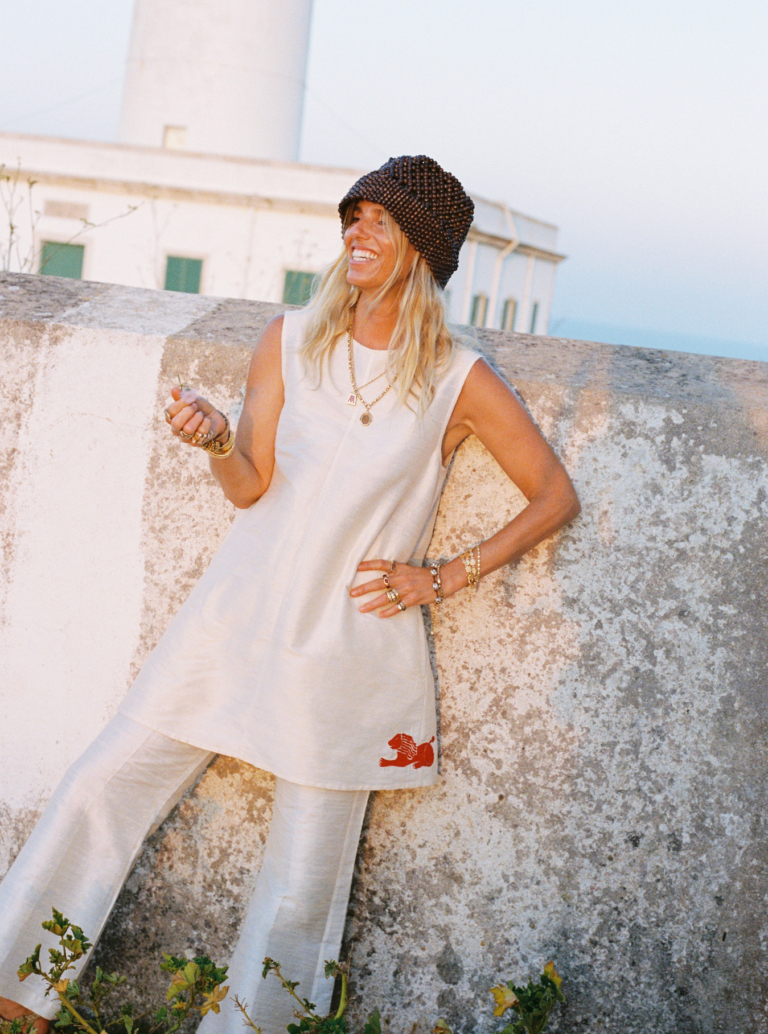
Lucy Folk might have begun with a one-woman jewellery brand, but her company is now a household name in Australia. Italian-made eyewear, resort-inspired apparel, distinctive accessories and her trademark jewellery bear the hallmarks of quality craftsmanship. For Folk, travel, art and design have always been a source of inspiration, with Tokyo among her favourite destinations. “I find myself in a higher state in Japan… I feel deeply connected to their rituals and curiosity. For me, Japan is best when you have a purpose. When you’re researching and foraging, there are endless discoveries around every corner.”

The Okura
Toranomon
One of the so-called Three Great Hotels of Tokyo, the Okura in Toranomon reopened in 2019 after the beloved 1962 original was demolished. Public spaces were designed by Yoshio Taniguchi, son of the original architect, who faithfully re-created several of the most memorable interiors. The lobby reprises his father’s original geometry – the lantern pendants, hexagonal motifs and low horizontal planes create a distinctly Japanese sense of shelter within a grand hotel. Choose the Heritage Wing for traditional Japanese proportions or Prestige Tower for the view.
ARTS&SCIENCE
Aoyama
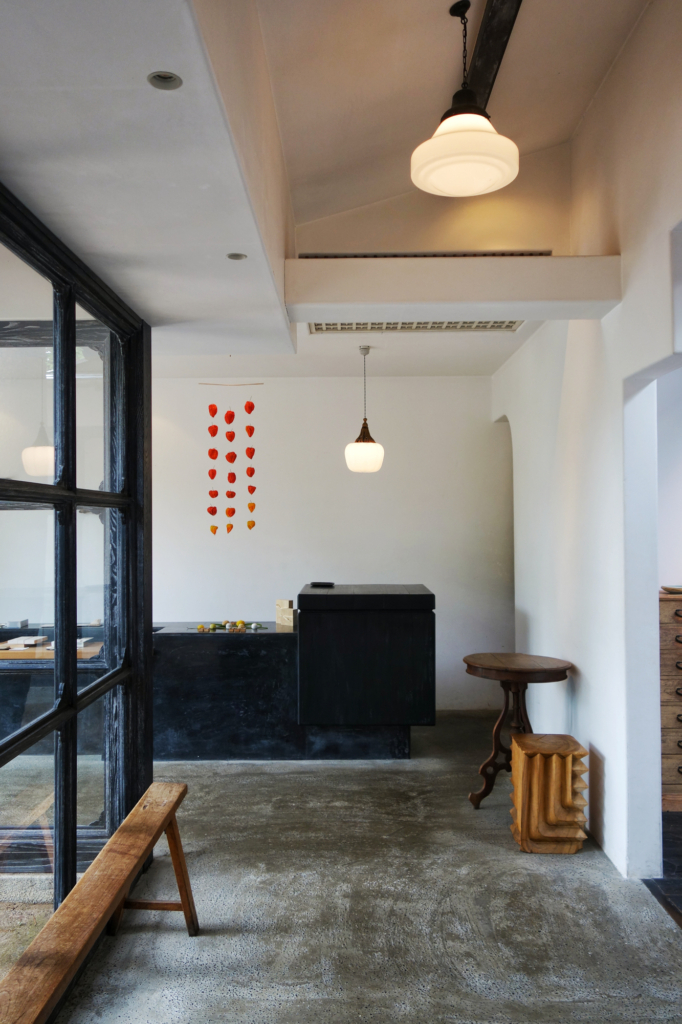
Founded in Minami-Aoyama in 2003 by former stylist Sonya Park, ARTS&SCIENCE operates less like a shop and more like a sustained point of view. It champions local production, quality over quantity and a deliberate lack of branding – an ethos that runs through the carefully chosen brand mix and objects alike. There is a cluster of ARTS&SCIENCE stores in this location; make sure you venture to them all to further appreciate their wonderful curation. I always leave with something special. Last time, it was the best toothbrush of my life.
Yakumo Saryo
Meguro
Set in the quiet neighbourhood of Meguro, Yakumo Saryo is designer Shinichiro Ogata’s shrine to Japanese food. Dinner operates like a private members’ club, only open by personal invitation, while the Asacha breakfast is a rather special way to start the day. Ogata, founder of the Simplicity design studio, conceived Yakumo Saryo as a total environment: the architecture, interiors, tableware and food exist as a single gesture. A restored early Showa-era house provides the bones; Ogata’s interventions are spare and precise, favouring natural materials and considered proportion.
Japan Folk Crafts Museum
Komaba
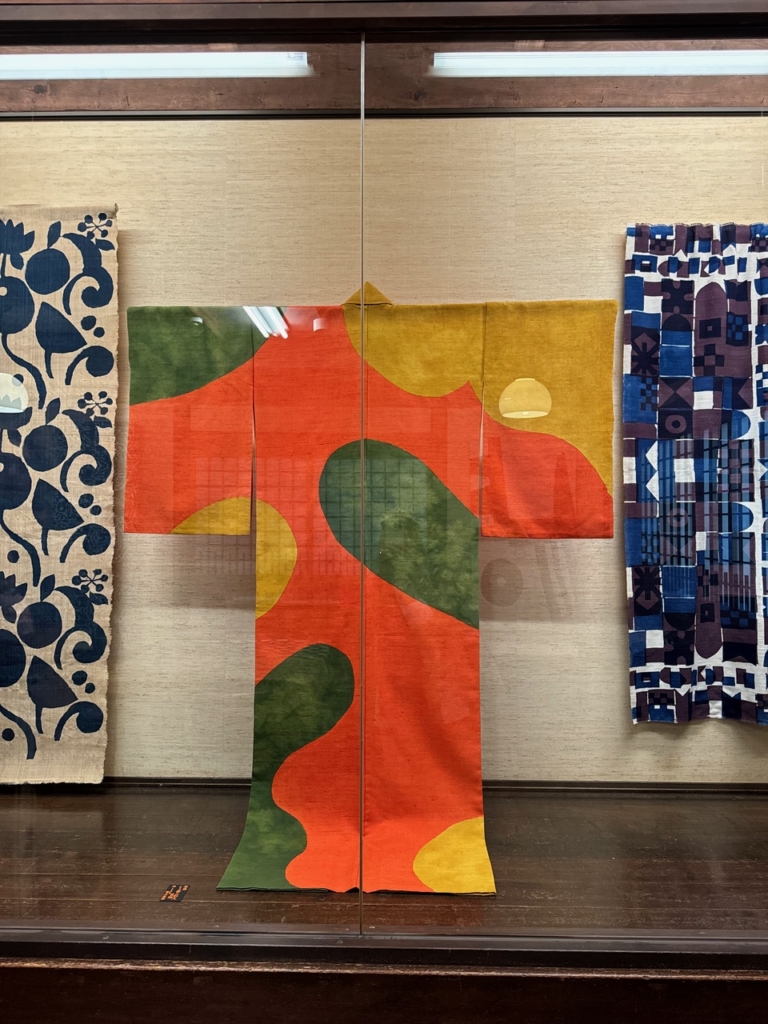
Founded in 1963 by philosopher and Mingei champion Yanagi Soetsu, this museum is the spiritual home of a movement that changed how Japan and much of the world thinks about making things. The collection spans earthenware, textiles, lacquerwork and woodcraft from across Japan, Korea and China, assembled with the conviction that anonymous objects made for daily use carry a beauty that fine art rarely matches. Spend some time here and you will leave with a different set of eyes. Don’t miss the giant timber wasabi graters.
Nezu Museum
Aoyama
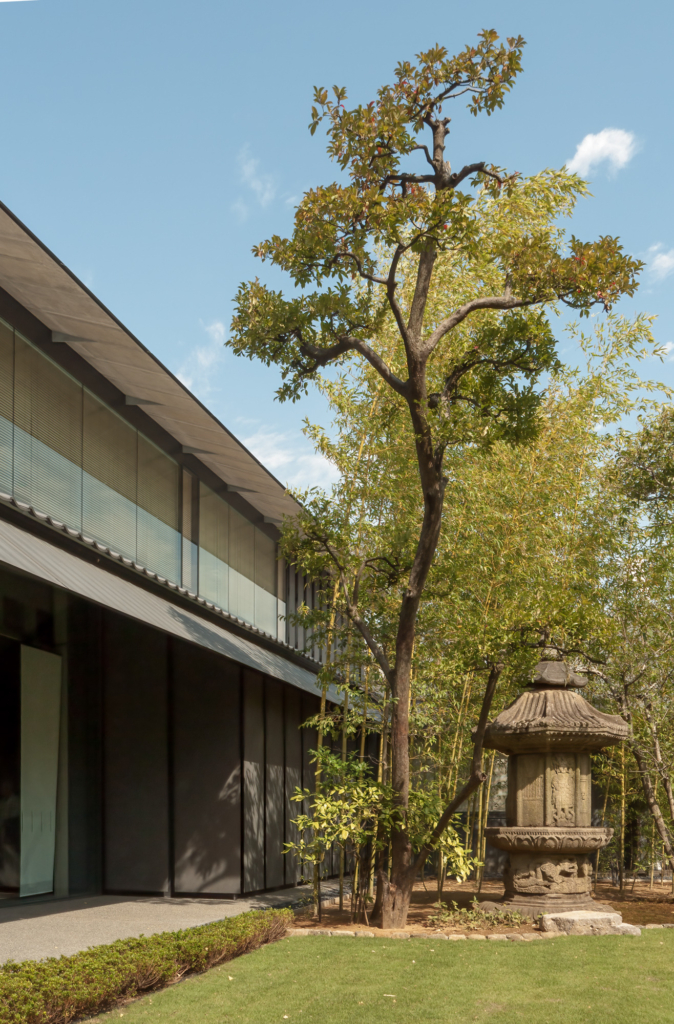
A pre-modern Japanese and East Asian art collection housed in a Minami-Aoyama building designed by Kengo Kuma, the Nezu Museum earns its reputation as much through its garden as its galleries. It’s home to 17,000 square metres of hills, ponds and preserved teahouses – some of the most quietly extraordinary spaces in the city. The museum’s exhibition program is built around its permanent collection of antiquities and includes rotating displays of paintings, calligraphy, sculpture, lacquerwork, ceramics and metalwork, largely from the Edo period and earlier.
Mogi Folk Art
Koenji
Worth the trek west to the neighbourhood of Koenji, which operates as a vintage lovers’ universe unto itself. Inside Mogi Folk Art, the owners Keiko Kitamura and Terry Ellis have built a quiet homage to Mingei – Japan’s folk craft movement – which finds beauty in the objects of everyday life and believes craft should be alive, not archival. Every piece shapes this vision, from textiles and ceramics to tools. Nothing here is meant to be looked at from a distance. We left with a stack of ceramics for our store kitchen and have been happily eating off them since our return.