Moksha
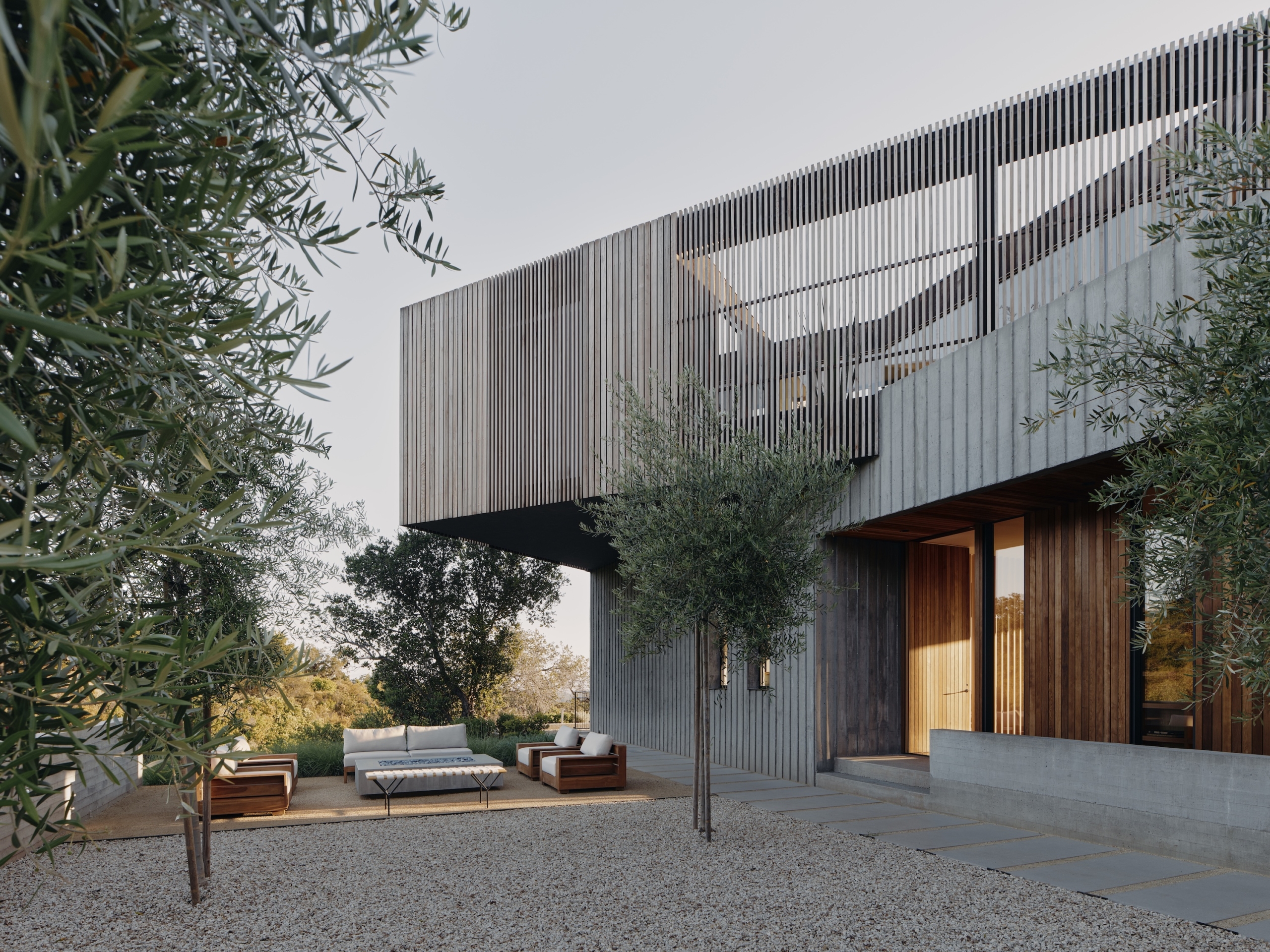
Moksha is a secluded escape honouring the family who came before – a home rising above the rolling hillside, designed for quiet restoration and perpetual ease.
Conceived for renewal in the deepest sense, Moksha by Spiegel Aihara Workshop (SAW) is a poignant place of retreat and protection. Perched high above California’s Portola Valley, the timber-clad abode stands as a humble monument to the steadfast vision of a tight-knit family – an uplifting architecture ready for its next custodian.


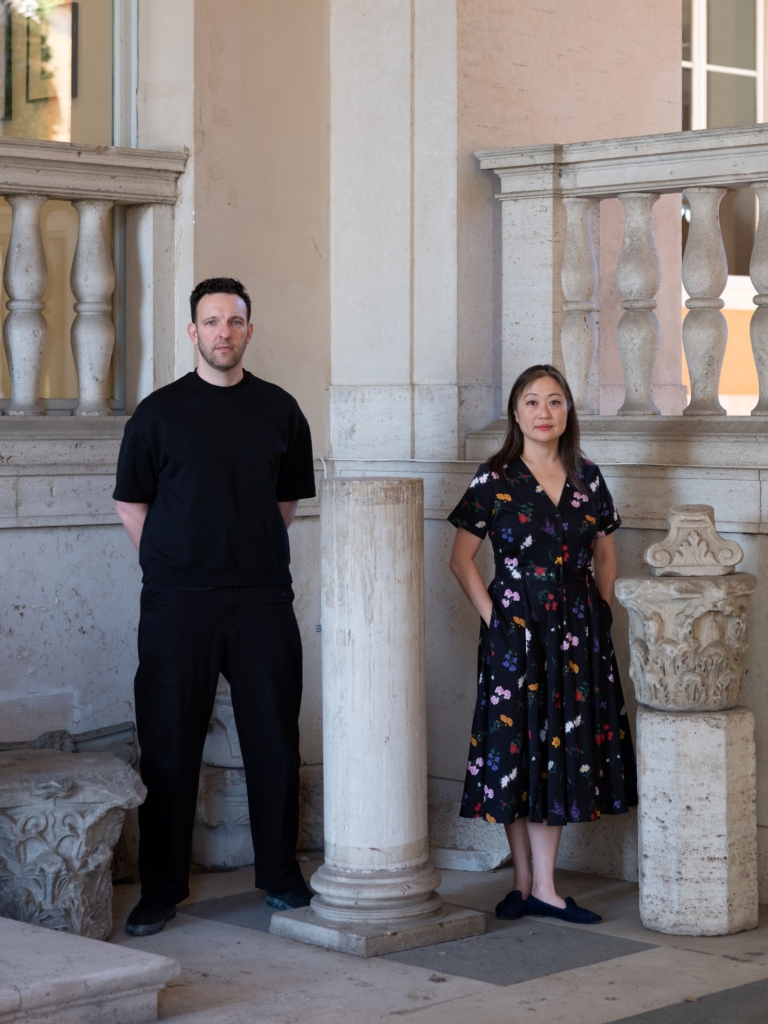
A true collaboration between the clients and SAW co-founders, Dan Spiegel and Megumi Aihara, Moksha was created to honour the owners’ late son and provide a place of solace in the face of loss. “We were thrilled for the chance to work with the wonderful family, who always pushed us to do innovative work – a beautiful site, an integration of building and landscape and the possibility of producing something that could improve an impossibly difficult situation,” Spiegel says.
Amid rolling terrain, a mere stone’s throw from Stanford University campus, the secluded site provides respite from the energetic city below. Beyond a blanket of trees and scrubby undergrowth, a compact guesthouse forms a welcoming address before the main dwelling comes into view. Nodding to the angularity of the former residence, the new building is both ordered and playful, composed through a series of curiously stacked geometries. Set atop a board-formed concrete podium, salvaged redwood timbers from landslides and wildfires are reimagined as an offset upper storey, casting soft shadows throughout the day. “Our intention is that the architecture is rich, layered and textured enough that it requires essentially no decoration,” Spiegel explains.
Blue gum eucalyptus floors, linear wall panels and Douglas fir ceilings strengthen the connection between inside and out, reinforcing the home’s wider story of regeneration. Expansive open-plan spaces give way to quieter areas for reflection, while a central spine gently separates public and private zones – always within easy reach of the effervescent outdoor pool at the heart of the residence. A neutral palette of terrazzo, granite and ceramic tile sit alongside a refined range of timber tones, while exposed structural elements bring rhythm, texture and visual clarity throughout.
The surrounding landscape is deliberately restrained, extending the calm of the inner sphere outdoors. From the central terrace, hard surfaces give way to large pavers, crushed stone paths and native garden beds. “We were thinking here of the landscape as a continuum that starts inside the house and gradually unfolds over the hillsides, becoming looser and more layered as it goes,” adds Aihara. Tranquil outdoor pockets branch off the upstairs primary suite, offering moments of total seclusion above the softly rippling water below.

The family did not live to see the completion of their forever home, yet Moksha stands as a memory of their enduring spirit and unwavering resolve. As the building shifts with the seasons and silvers into the landscape, it moves ever closer to nature as it was always intended – quiet, restorative and eternally at ease.