Marking 50 Years
One of the country’s most enduring design practices, SJB has built a culture, not just a portfolio, over five decades of city-shaping work.
There are not many architecture practices that reach 50 years with their founding values intact. Most that survive for that long do so by settling into a recognisable formula, removing the risk of genuine surprise. SJB has taken a different path. Founded in Melbourne in 1976 as Synman Justin Bialek Architects, SJB has grown into one of Australia’s most significant multidisciplinary studios, now with more than 200 architects, interior designers, urban designers and planners across Melbourne and Sydney. What is remarkable is not the scale but the coherence.





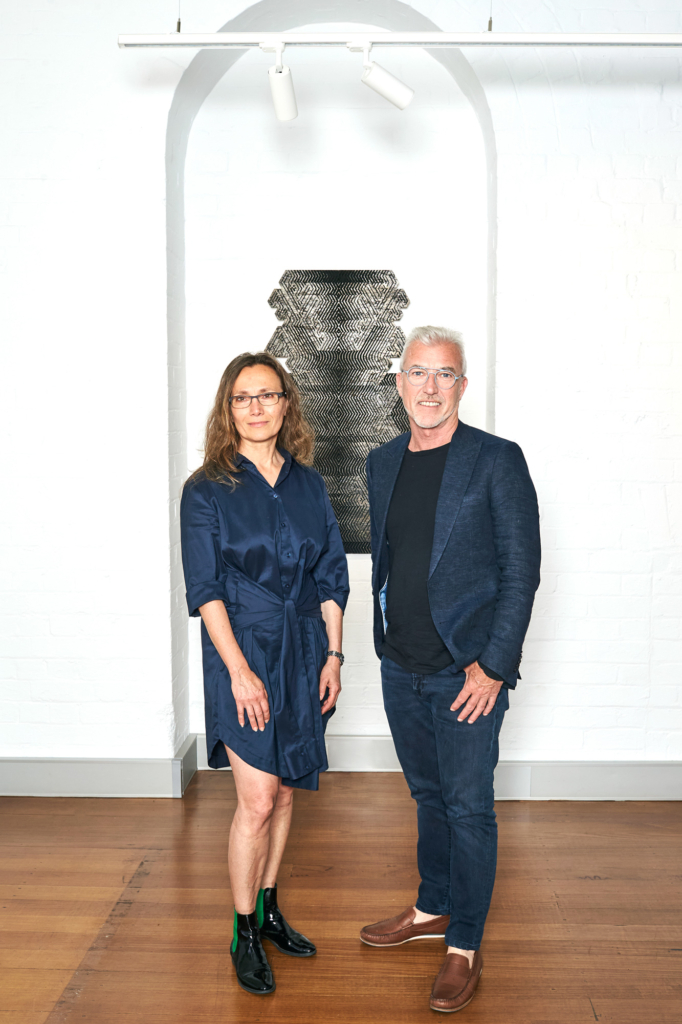
“Reaching 50 years is not just about longevity – it’s about relevance,” explains founding director Michael Bialek. “SJB has always been curious, adaptable and open, evolving alongside our cities while staying true to our founding values.”
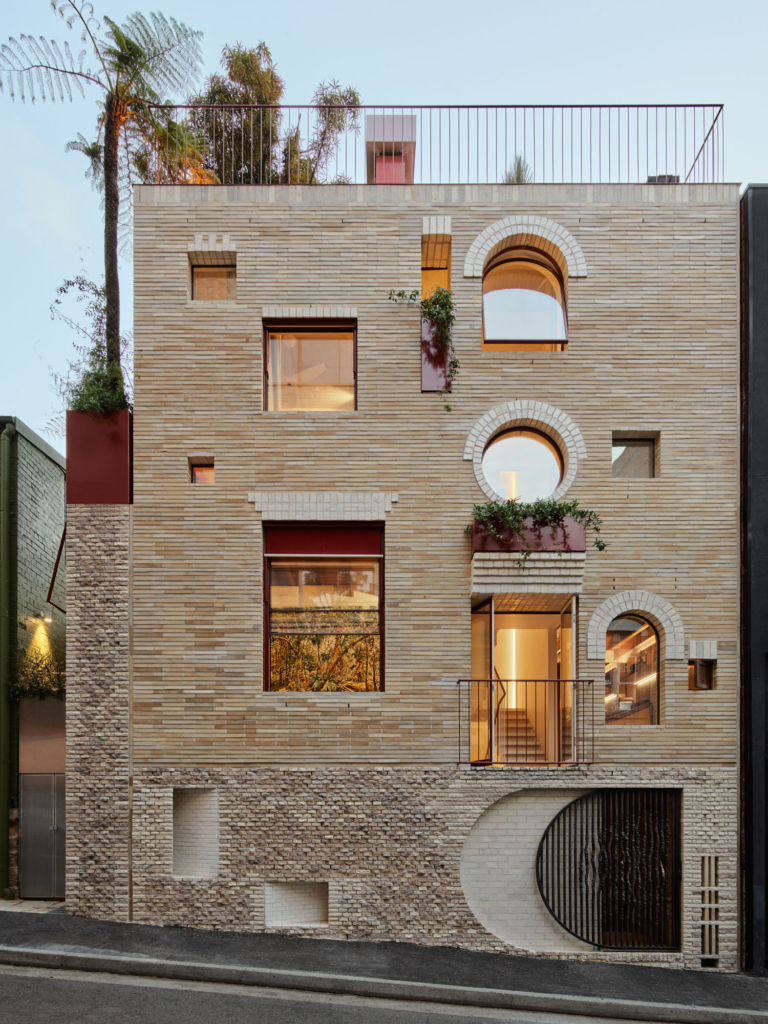
That fidelity is visible across the breadth of SJB’s portfolio, from boutique coastal residences to multi-block urban precincts. There is no signature style to trace, no formal gesture repeated across decades. Instead, what recurs is an orientation: towards place, towards the people who inhabit it and towards a genuine concern for how buildings are experienced over time. It is an approach that resists easy summary, which perhaps explains why the practice has endured so long.
The origins are both pragmatic and ideological. Bialek recalls that the earliest ambition was simply to build something ethical, profitable and lasting in a profession that discouraged self-promotion. “We were keen to push the marketing side and be understood for what we were: a young, innovative, ambitious firm.” The founders – Alan Synman, Charles Justin and Bialek – also wanted the practice to carry what he describes as “strong family-style values”, a culture of mutual support and shared credit that has persisted across generations and geographies.
The expansion into a multidisciplinary model was born as much of economic necessity as philosophical conviction. The property industry is cyclical, and diversifying into interiors, planning and urban design would insulate the practice from predictable downturns. Andrew Parr established the Melbourne interiors studio in 1994; the Sydney office followed in 1997. By 2000, the name had shortened to SJB and a formal structure was in place: four disciplines, two cities, one brand. This enabled more than financial resilience. It allowed different kinds of thinking to sit alongside one another and, crucially, to inform one another from the earliest stages of a project.
“We were keen to push the marketing side and be understood for what we were: a young, innovative, ambitious firm.”



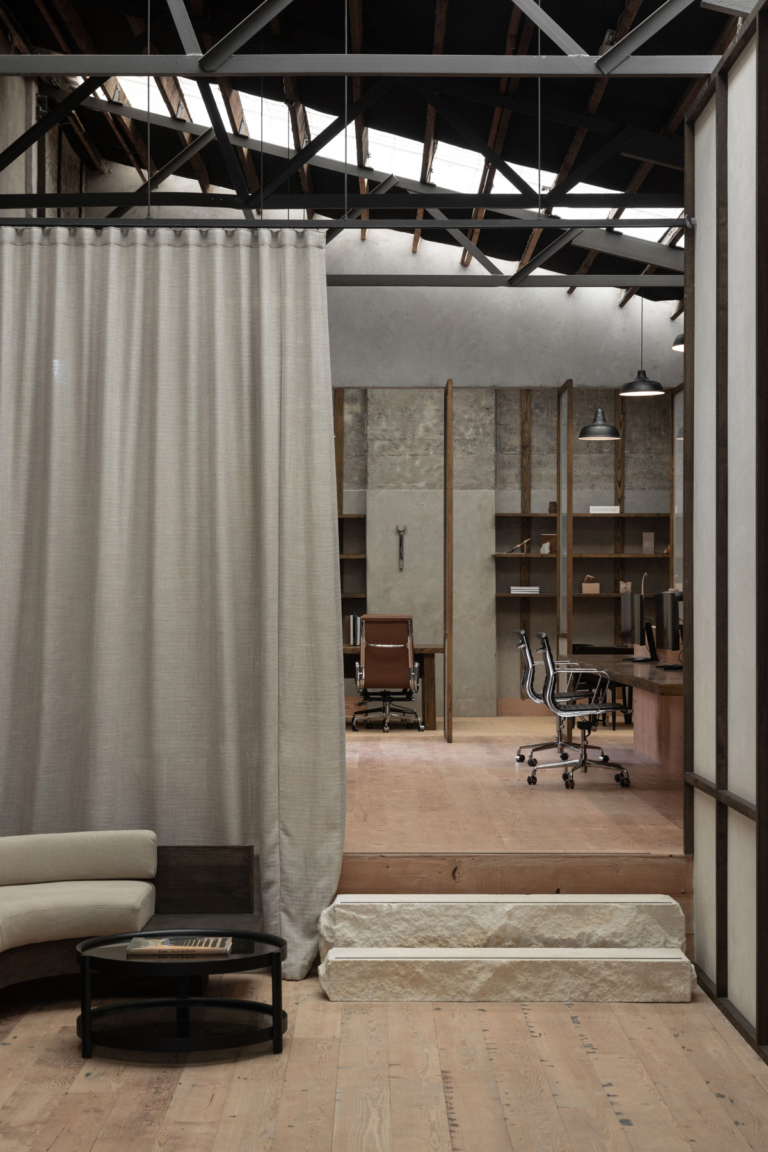
From the outside, this might read as a corporate evolution. For those within, it looks more like an extension of the founding ethos. “Each project is shaped by its specific conditions rather than a predetermined style,” Parr says. Ljiljana Gazevic, director of Melbourne Interiors, extends the thought: “Early interactions and collaboration with other disciplines during the initial stages of a project are essential to respond holistically to the project brief.” The conversation between architecture, interiors and planning is not incidental to how SJB works – it is the method.
That method has produced some of the most discussed urban projects in Australia over the past decade. “Strategy, approvals and design thinking can progress together rather than sequentially,” says Alison McCabe, director of Sydney Planning, “and that generally results in a stronger and more realistic framework for projects.”

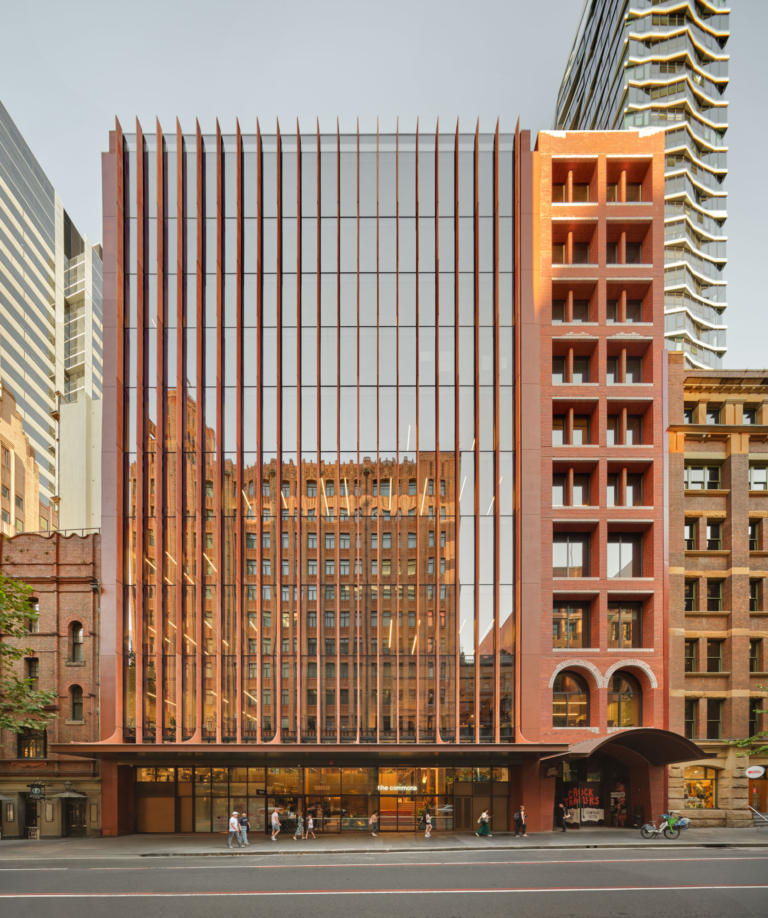
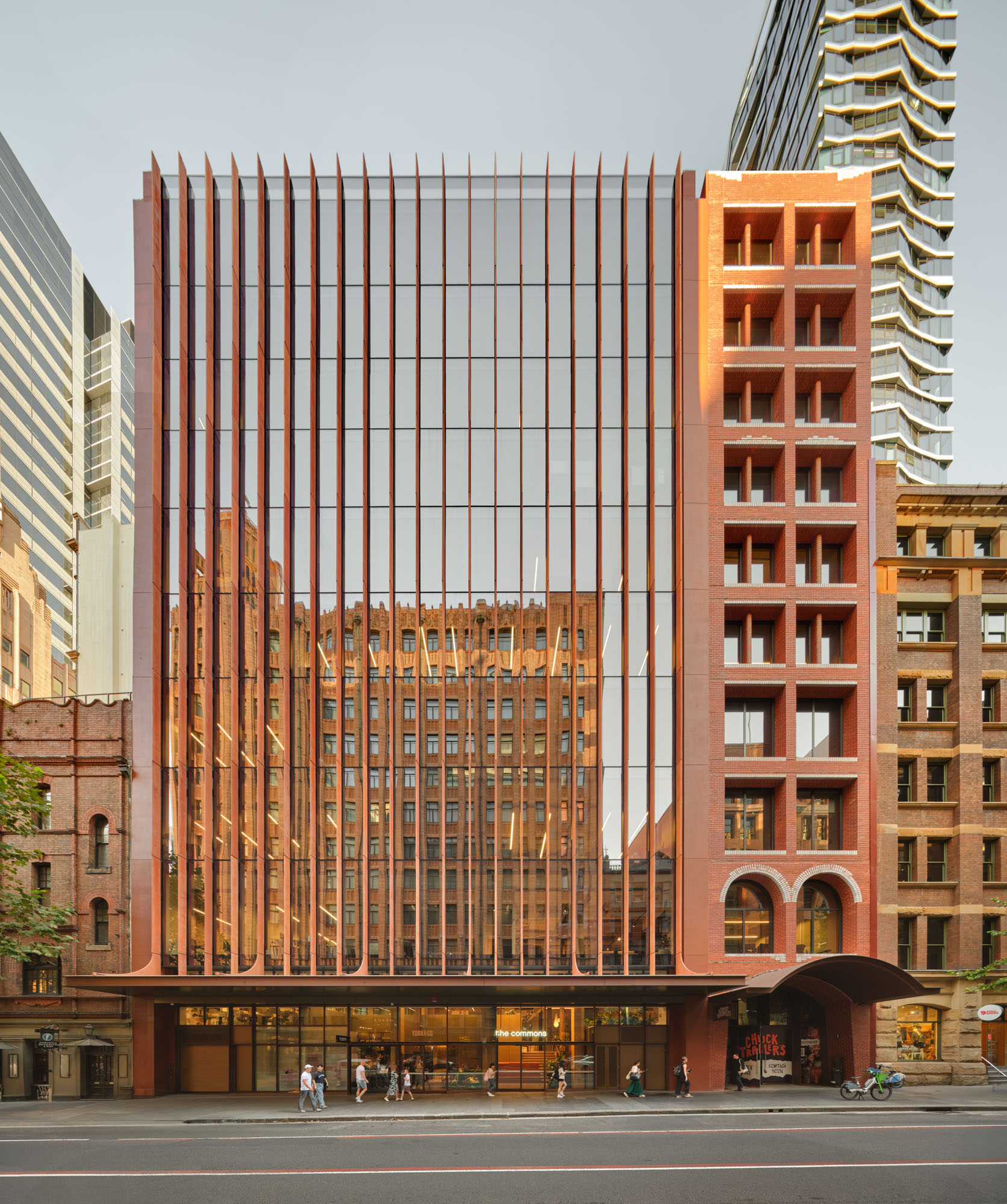
The difference is tangible. Quay Quarter Lanes, completed at Circular Quay in 2021, reshaped a historic Sydney city block through close collaboration between multiple design practices, the City of Sydney and the Government Architect NSW. In 2022, it won the Walter Burley Griffin Award for Urban Design at the National Architecture Awards, among many others. Richmond Traders in Victoria, one of the first built-to-rent developments in Australia, transformed an underutilised supermarket and mall into something the neighbourhood actually wanted.
Inner Sydney’s Surry Hills Village, which opened in 2024, delivered a boutique hotel, residential apartments, a commercial office building and new public domain on a single site. The Royce Hotel on St Kilda Road, completed in 2023, turned a heritage building into a six-star boutique property with layered Art Deco and Spanish Mission interiors of considerable opulence. Together, these projects signal a practice that has found its most interesting territory at the intersection of the civic and the commercial, making places that function at multiple scales simultaneously.


“The best collaborative projects are those that embrace respect and fun,” Adam Haddow, partner in the Sydney studio, recalls of the Quay Quarter Lanes process. “Projects like that should be as much about the spaces between the buildings as they are about the buildings.”
His insight cuts to something SJB seems to understand better than most – the most valuable architectural contribution is often not the building at all, but the ground it creates around it. Fiona Coakley, director of Melbourne Architecture, puts it simply: “The attention to detail doesn’t fall away at scale, it just plays out differently.” The experience that is being designed is still human – it just covers more touchpoints.

To mark the anniversary, SJB is launching an internal research scholarship, supporting proposals across design, delivery and operations.
Now, as the firm reaches the 50-year mark, the founders are stepping back. Bialek speaks with evident confidence about the next generation of leaders across both studios, many of whom have been with the practice for more than a decade. To mark the anniversary, SJB is launching an internal research scholarship, supporting proposals across design, delivery and operations. The initiative is a quiet but pointed statement about what SJB believes longevity should look like: not a celebration of what has been built, but an investment in what comes next.
“We’ve moved from a ‘why’ mentality to a ‘why-not’ mindset,” Haddow says, who is the current national president of the Australian Institute of Architects. It is a disposition that has implications that go beyond the studio: Haddow has been advocating for a Federal Government architect, arguing that design thinking needs to enter policy conversations before problems calcify into briefs.



Half a century of practice is, among other things, evidence that restraint and ambition are not opposites. SJB has spent 50 years designing homes and spaces that are innately connected to their locations – not according to any singular vision, but through an ongoing and attentive conversation with the places and people it serves.