Wonder studio
The headquarters of the Auckland-based interior design studio Wonder achieves a striking dichotomy: it’s grounded in a warm, residential feel, yet it also presents as professional and refined.
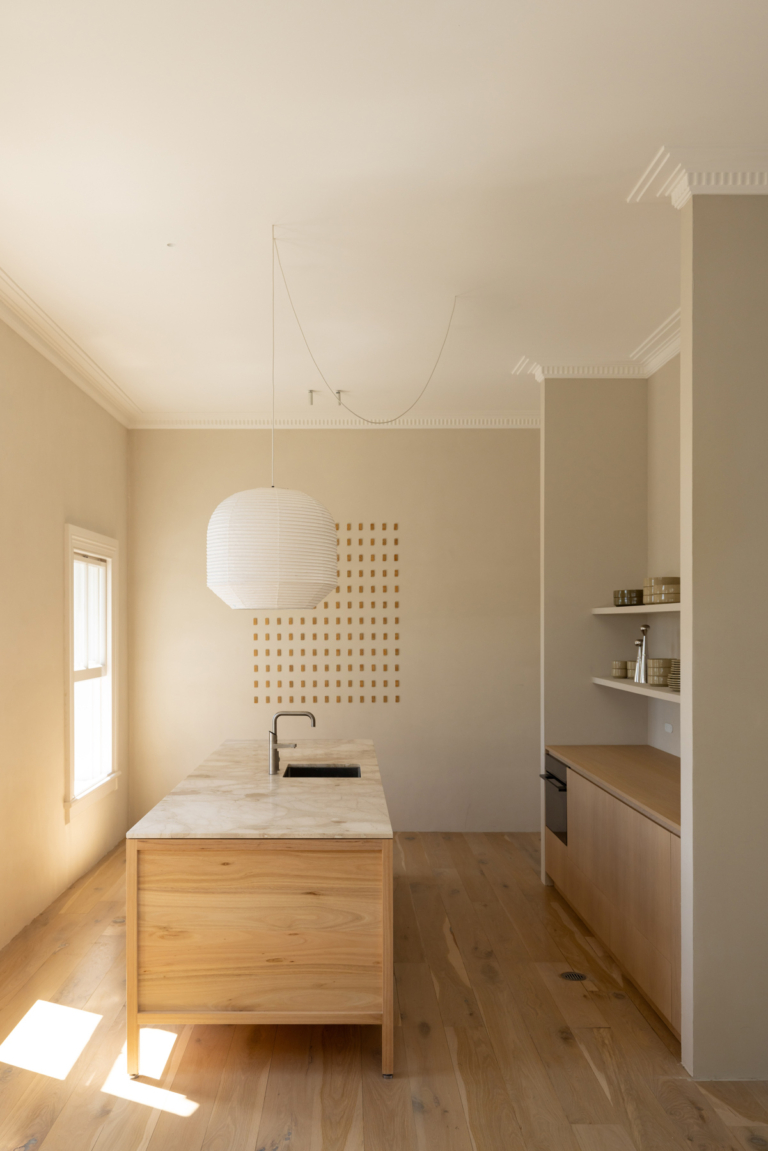
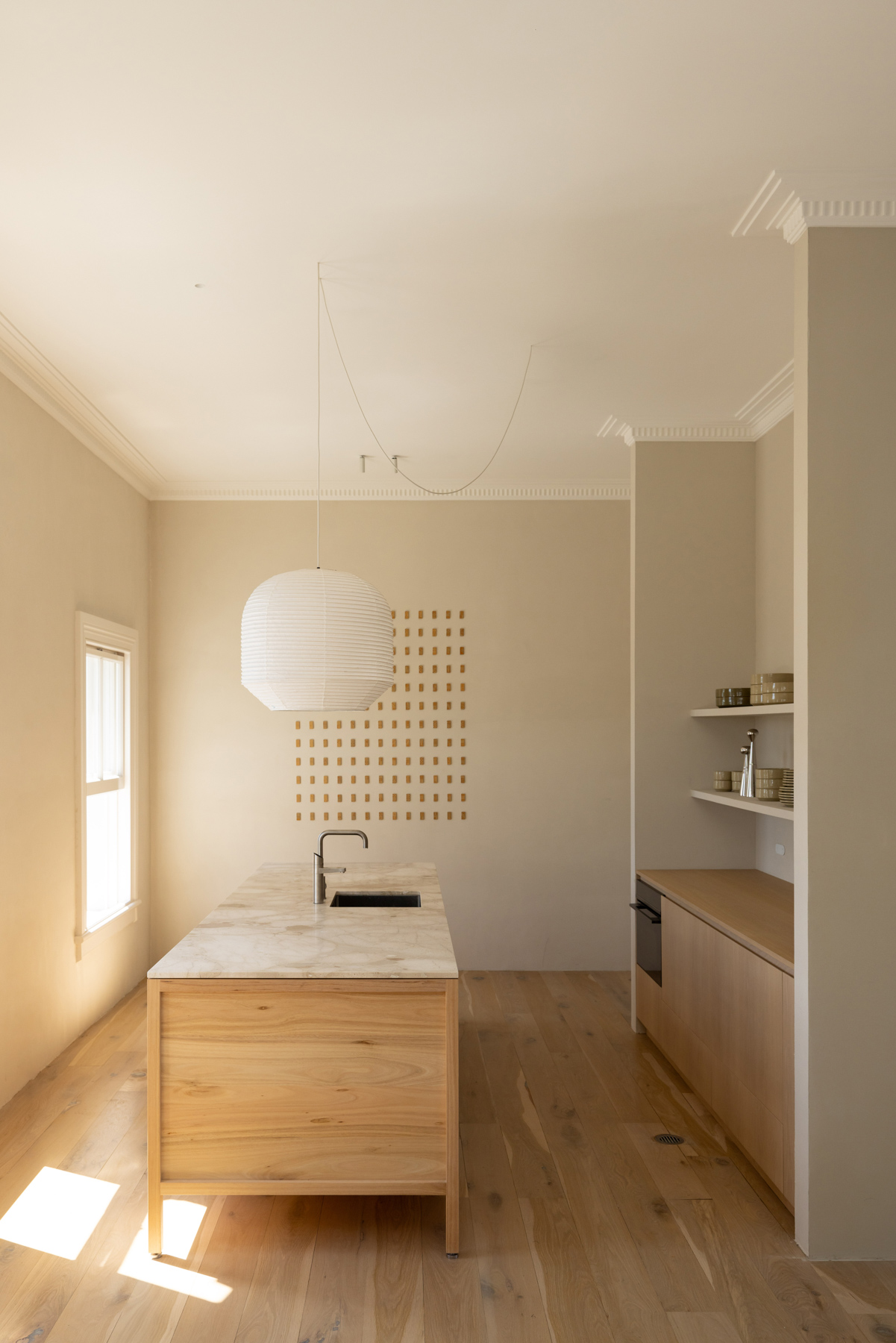
The office sits within a recently rejuvenated project by Patterson Associates. Once a brothel, the building’s character has been thoughtfully retained with reinstated ceiling architraves and walls that have been hand-trowelled in dolomite plaster, creating a finish similar to the original. “Our goal was to create a minimalist environment where tactile surfaces and curated details deliver a distinct, layered experience,” explains Buster Caldwell, creative director at Wonder.

An unconventional layout presents another paradox. In place of a boardroom, there’s a sofa suite by Ellison Studios. Phone pods are replaced with a communal dining table, built by Woodwrights. A light, airy kitchen is located in the centre of the space and the desks are arranged to encourage collaboration. A six-metre-long ‘family’ table – made by the Wonder team using timber milled from Caldwell’s family farm – unites the layout.
In this way, Wonder has adopted a distinctly personal and local focus that celebrates New Zealand workmanship. A commissioned glass artwork by studio regular Luke Jacomb floats above the family table, illuminated by a Matthew Torr ceramic wall sculpture. An in-situ concrete pot by Nelson-based landscaper Tom Mackie holds a monstera that Caldwell planted the year he moved to Auckland, which has followed the studio for eight years. “I believe we’ve not only enhanced the building’s charm but also made a strong statement by showcasing our local collaborators,” he says.


A pared-back palette of timber, plaster and sculptural elements creates a cocoon-like interior, while hand-poured cement, limestone and iron oxide add tactility and interest to the space. The studio’s kitchen island is made from South Island eucalyptus timber topped with Turkish Caffe Latte stone, and the coffee table was built locally using offcuts from the kitchen island stone.
Even the ceramics and servingware were carefully considered: they’re a custom design by local ceramicist Richard Beauchamp, created to match the interior. The studio also includes a library of materials and finishes – an ever-evolving display of products that feature in ongoing projects – housed in a timber-lined alcove.
Wonder’s studio blurs the line between office, showroom and home, culminating in a space that simultaneously encourages creative energy and emanates a sense of calm.
Architecture by Patterson Associates. Interior design by Wonder.