Beach Residence
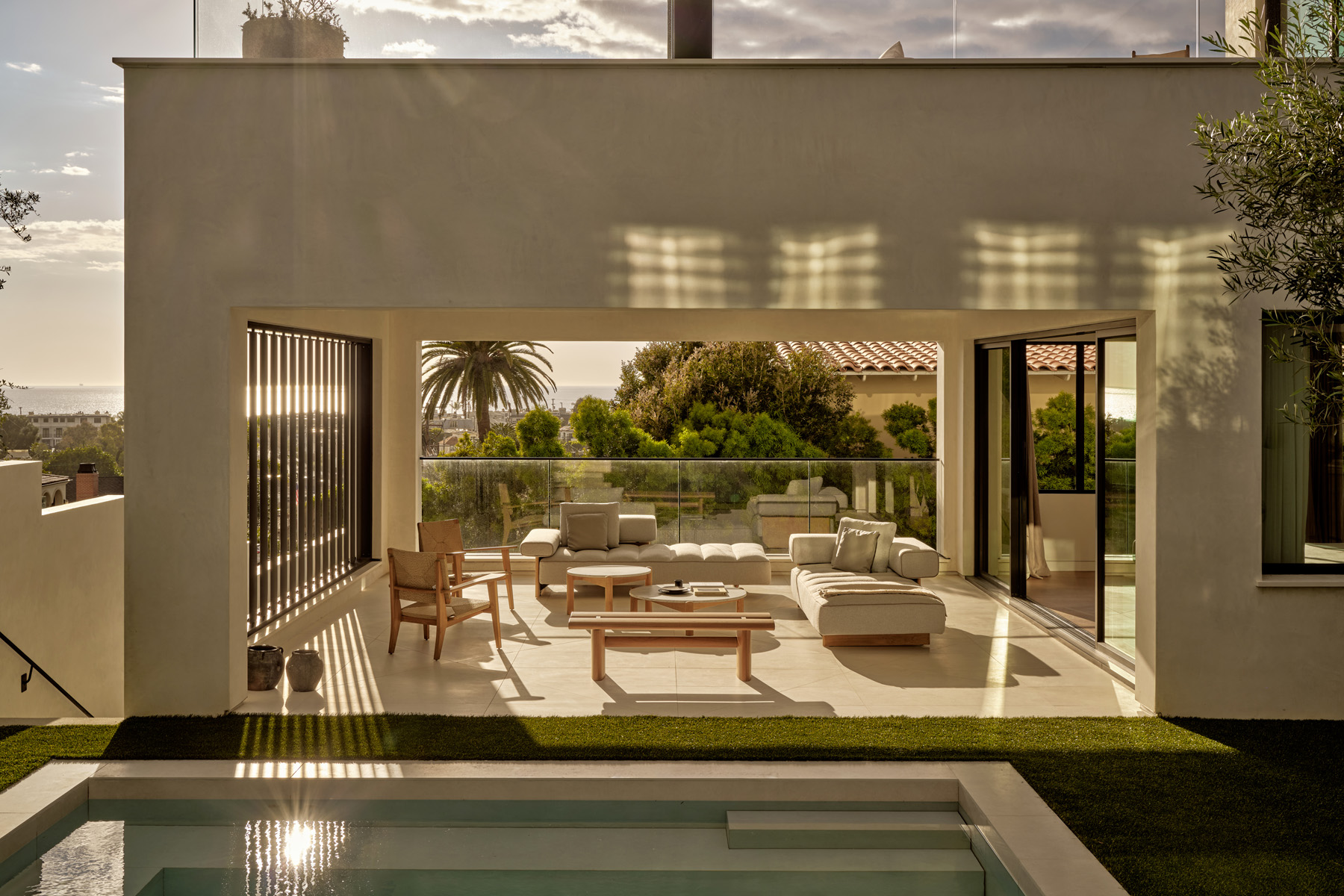
In California’s Manhattan Beach, “where sunlight and sea air define everyday life” according to designer Teo Yang, a home has been shaped by those same intrinsic elements: wind, light and shadow. Blending Korean and Californian sensibilities, Teo Yang Studio turns the intangible into a tactile retreat – one that truly breathes.
For Yang – who studied in Los Angeles – and his United States-based Korean clients, Beach Residence was something of a homecoming. “We wanted to explore the meeting point between the spatial balance of traditional Korean hanok and the open, relaxed spirit of California living. The core concept was johwa: harmony,” says Yang. The design began with subtraction, stripping away ornamentation to leave only structure and light – an intentional restraint that “left space for thought and breath”. Natural materials – wood, stone, fabric and bronze – enrich the pared-back interiors, while low furniture and long horizontal lines let movement and sightlines drift freely towards the ocean, the design’s “main character”.

The experience of the home unfolds through moments of calm revelation. A narrow entry pathway opens suddenly onto the water-framed central courtyard, “the house’s quiet heart”. From here, the living and dining spaces flow onto a terrace, with a media room and pool below. Light is treated as texture rather than a spotlight – communal zones bask in the west-facing sun, while bedrooms are orientated east for a gentler glow. Each spatial transition is marked by subtle shifts in floor texture, ceiling height, airflow and illumination. “I wanted to explore how the ocean’s generous rhythm could coexist with the artificiality of human space,” says Yang. “This home connects east and west, nature and man-made, past and present.”
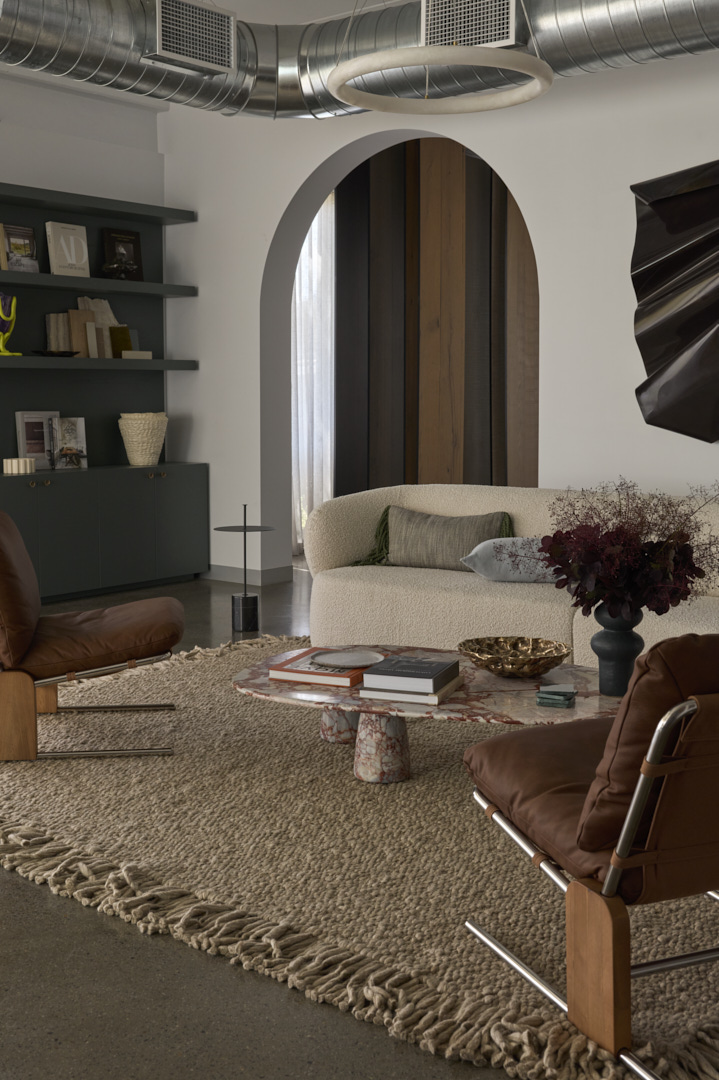
Private areas are enclosed by translucent textile screens and wooden louvres that diffuse sightlines and soften light. Communal spaces remain open. Continuity, not contrast, defines the palette: stone floors, built-in benches, long shelving systems, wooden handrails and custom bronze details that catch a warm glow at sunset, merging interior and horizon into a single scene.
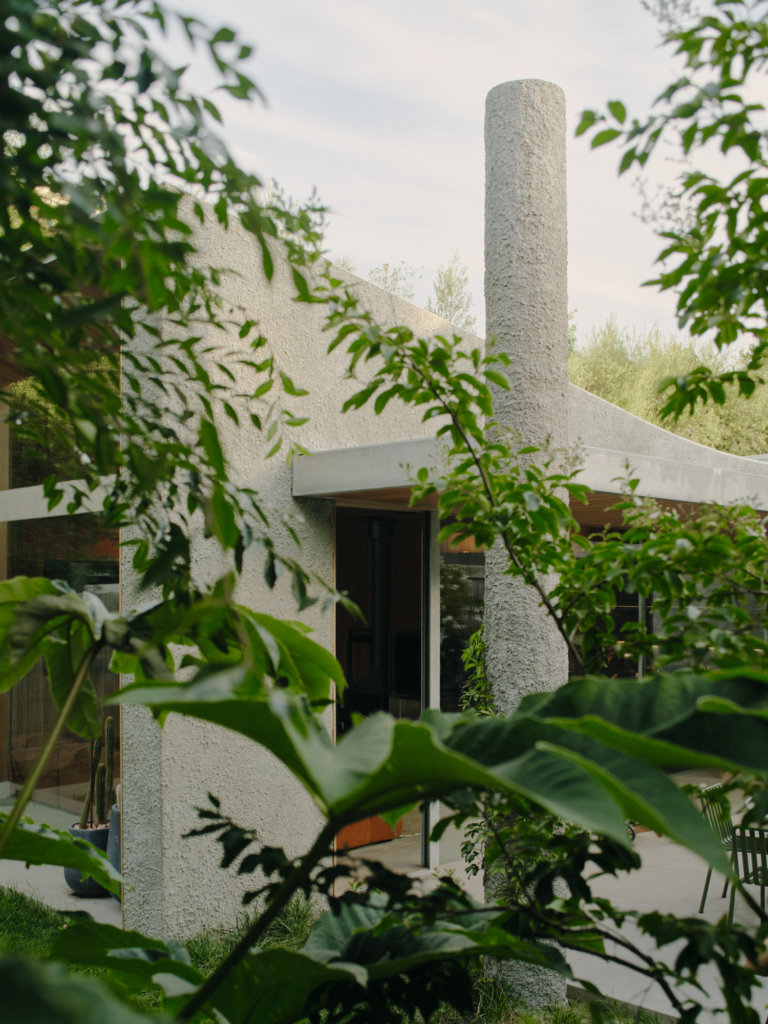
Artworks animate otherwise restrained interiors, where negative space is as considered as form. Park Honggu’s carbonised wooden vessels embody beauty through transformation, while Eastern Edition furniture sits alongside Western icons like Charlotte Perriand and Pierre Jeanneret. To preserve this visual stillness, technology systems are thoughtfully concealed. Outside, a drought-tolerant, salt-resistant planting palette ensures the home will age naturally within its landscape.
Named with disarming simplicity, Beach Residence reflects a shared belief in “the order of light and movement”. Here, proportion outweighs ornamentation and coherence gives rise to calm. Composed from a careful composition of light, air and water, it is a family retreat that feels alive – quietly and truly breathing.
Architecture by ForestStudio and d’Arcy & Associates. Interior design by Teo Yang Studio. Build and landscape design by Matt Morris Development. Artwork by Jean-Baptiste Besançon, Oliver Beer, Lucy Dodd and Mike Kelley.