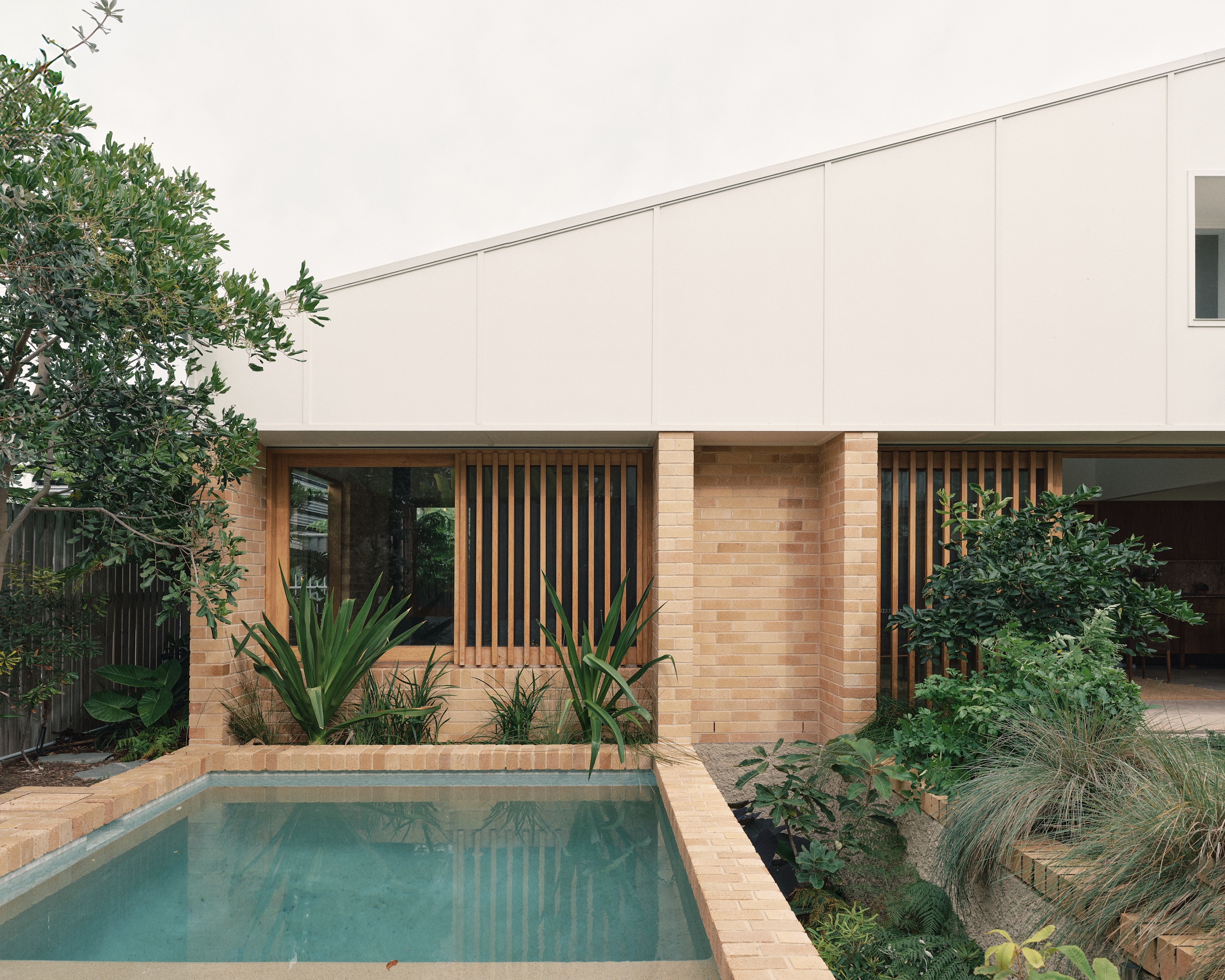
Palm Beach House
Knight Office and Dan Wilson extend an older Palm Beach bungalow without erasing what was already there.
On the Gold Coast, where heritage protection is limited, Knight Office and Dan Wilson saw a modest 1954 brick bungalow in Palm Beach as something worth preserving, making it the foundation for a more ambitious architectural response.
“Once it’s gone, it’s gone,” says the Knight Office team of the region’s fast-disappearing residential fabric. “Losing it means losing something of who we are as a city.” Much of what replaces older housing stock in the area does little to engage with what came before. Palm Beach House offers a thoughtful counterpoint.


The original bungalow now holds the private program, with the bedrooms, bathrooms and study elevated above the site. A new extension lands at the rear, claiming the northern aspect and opening fully to the garden. Pushing the built form to the south-western boundary is a technical decision, but its effect is generous: a yard shaped around outdoor life. “The climate here makes that relationship of utmost importance. It’s fundamental to how people live on the Gold Coast.”
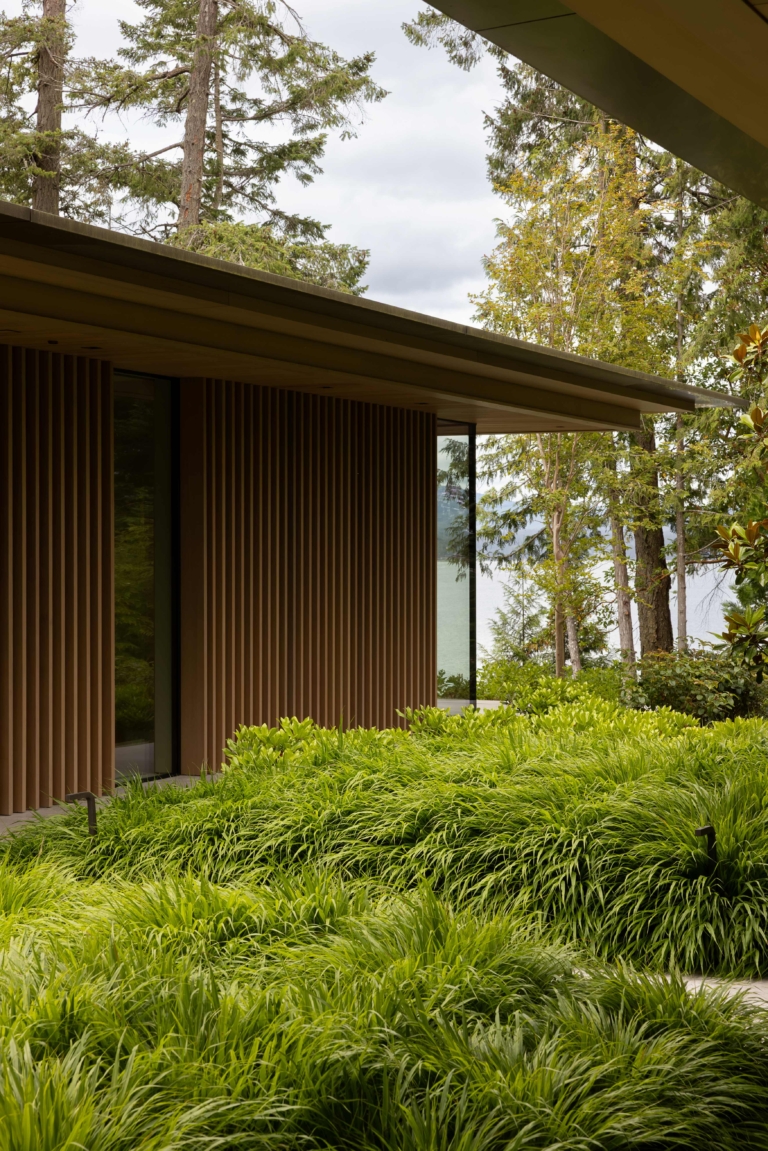
Inside, the kitchen, dining room, living area, pool and garden exist in a loose continuum. Spotted gum lines the interior, while the brick and fibre cement palette reads the original house and responds to it directly.
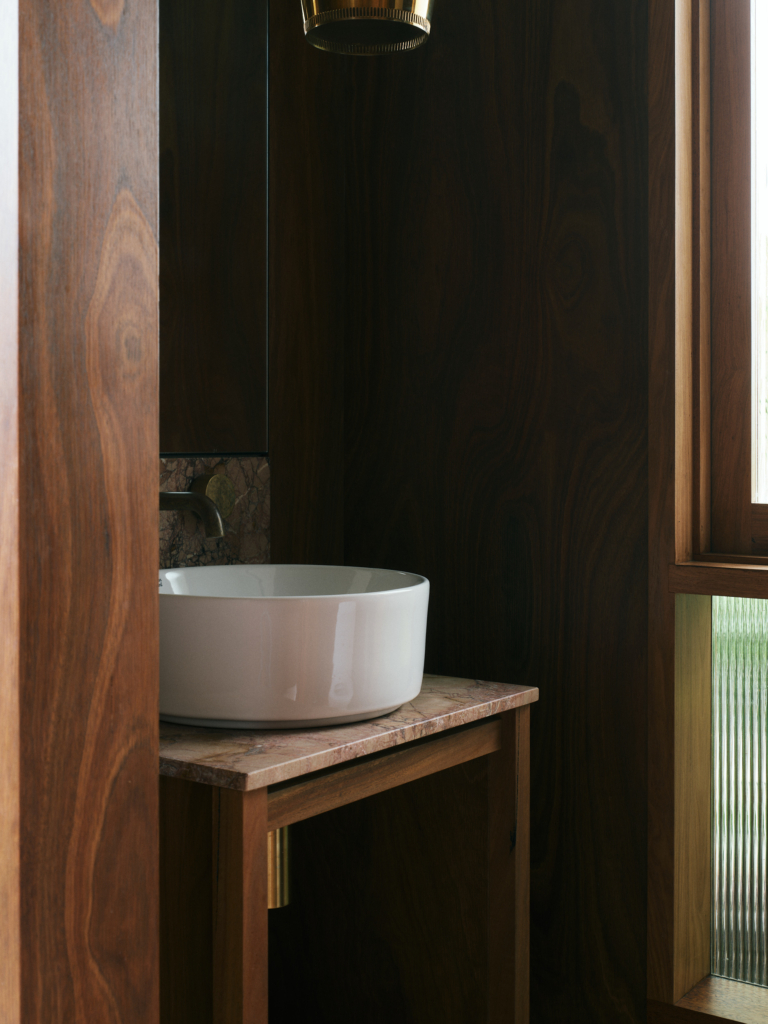
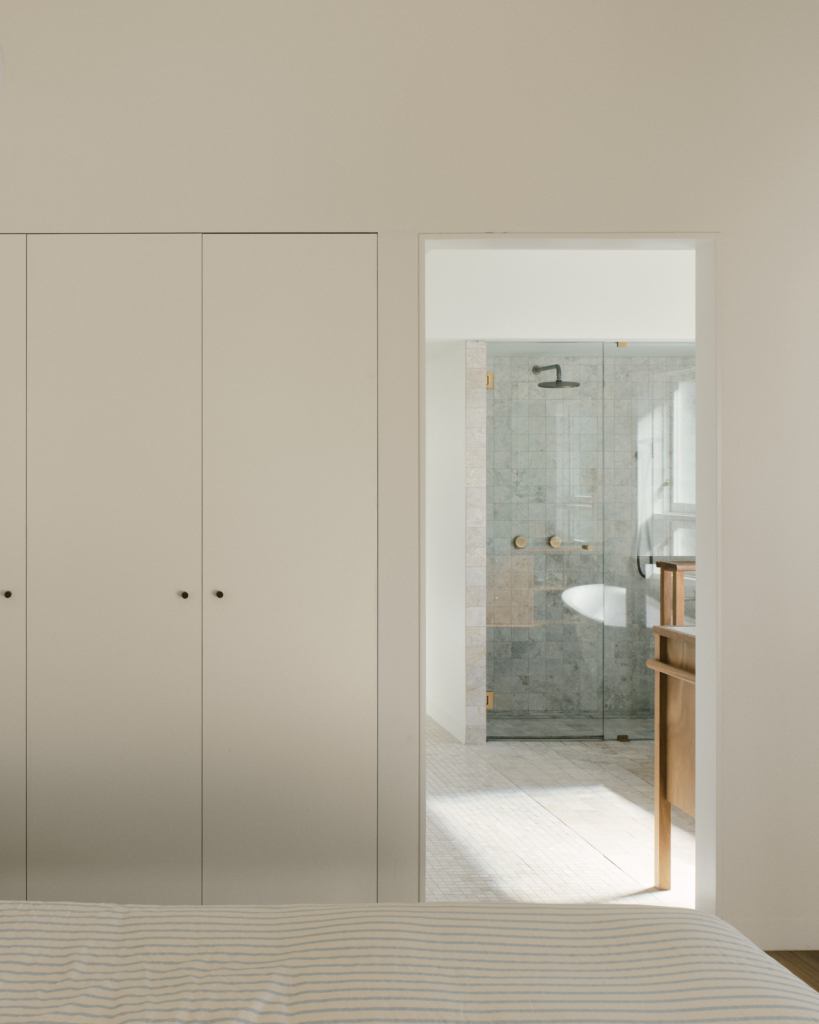
Materials and detailing are closely echoed across both structures, to the point where “the distinction between old and new is deliberately blurred”. The architects are content with that ambiguity. In a hundred years, distinguishing the two might not be straightforward, and “that would feel like the right outcome”.
“Styles come and go, but what we’d hope holds up are the fundamentals: connection to landscape, solar performance, comfort, privacy. These are the things we prioritise above everything else, and they’re also the things that tend to transcend the moment a building was made. Good design has always been able to do that.”
Entry is made through the garden, where native species provide privacy. Fruit trees, vegetables and herbs fold daily life into the outdoors rather than separating the two. The sustainability arguments for working with what exists are well rehearsed – embodied energy, material waste, cost – but this project doesn’t lean on them as justification. “The house talks to its past without being captured by it.”