Rive Roshan
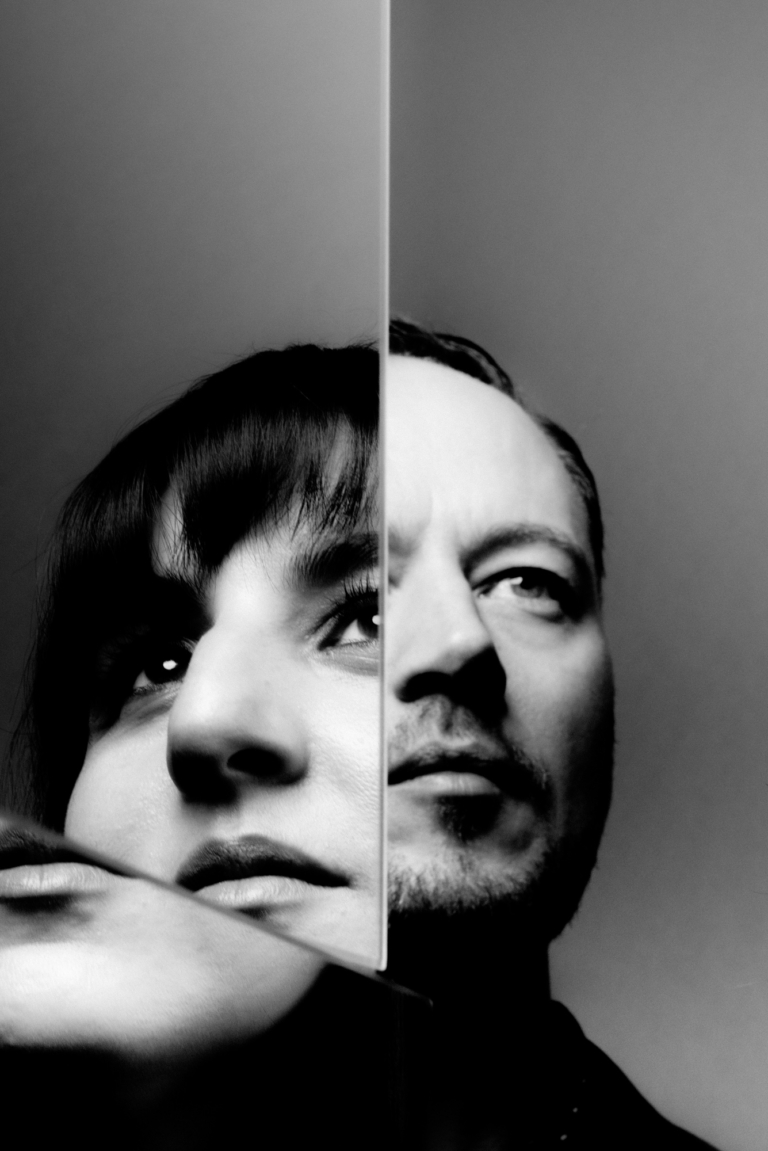
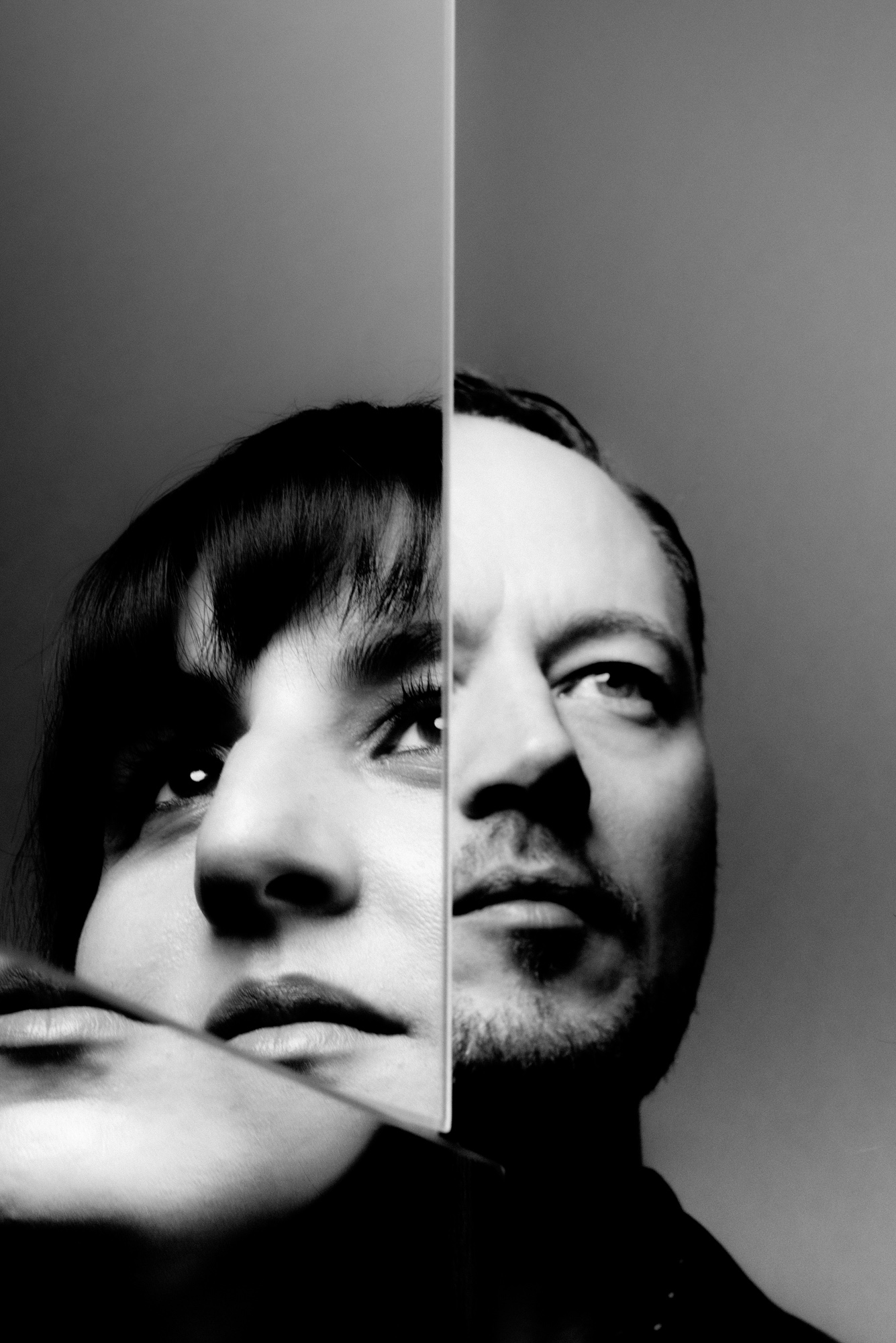
Designers Golnar Roshan and Ruben de la Rive Box founded their multidisciplinary practice, Rive Roshan, in 2020. Now based in Amsterdam, the duo is widely recognised for their sculptural, colour-driven work across objects and installations.
TLP What’s the origin story behind Rive Roshan?
GR The studio is built on the natural synergy between the two of us. There is a line by the poet Kahlil Gibran that deeply resonates with us and our practice: ‘Work is love made visible.’ That single phrase captured exactly what we wanted to achieve – a life and a studio where our passion translates directly into the installations and objects we create.

TLP How do you work together day to day – what does the dynamic between you look like in the studio?
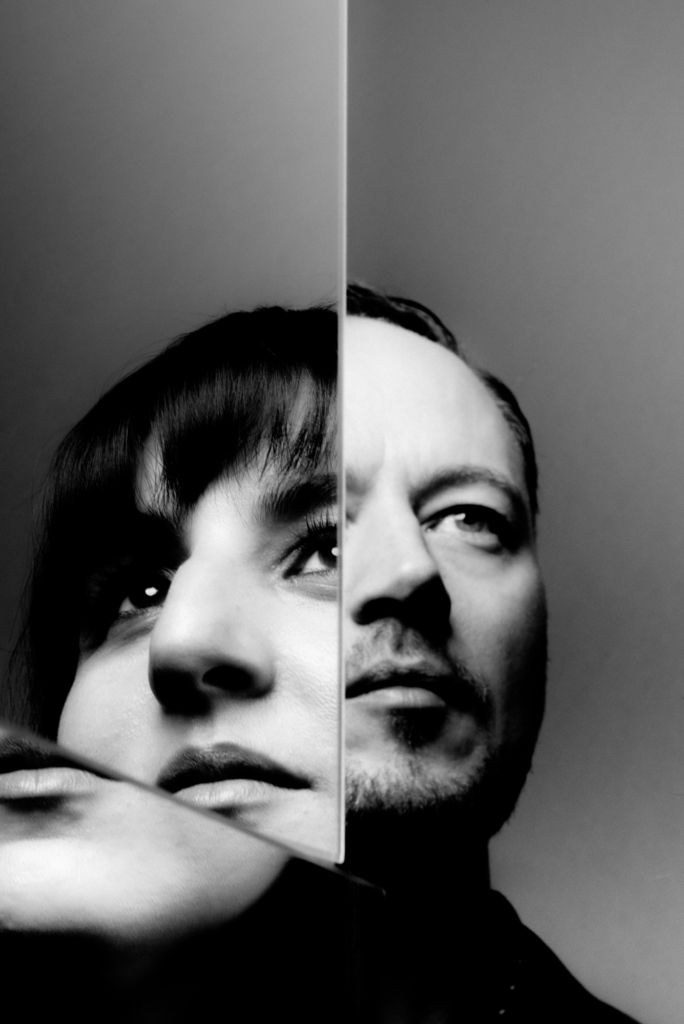
GR Our day-to-day dynamic is very fluid. We move between many different roles and disciplines, so there are no strict boundaries or rigid titles. We usually start with a feeling or an experience that we want to evoke, bouncing ideas off one another to find that initial moment we are both excited and curious about.
RRB We work together but we also work closely with our team and clients. We shift from creating artworks in glass or sand to conceptualising or realising outdoor public art installations. It is a highly collaborative process. We work closely with engineers to develop kinetic objects and large-scale architectural facades, and partner with programmers to bring choreographed lighting installations to life in interior settings. It is this constant dialogue that allows us to push boundaries at every scale.


TLP Highlighting ‘ordinary miracles’, or unexpected and extraordinary everyday moments, is a recurring theme. What guides this interest and how does it emerge in your work?
GR Our interest is really guided by the pace of the modern world. We are surrounded by so much noise and distraction that it is incredibly easy to become desensitised to the profound beauty right in front of us. An ‘ordinary miracle’ is that fleeting moment that forces you to pause – light rippling across water or a shadow stretching at dusk. We are driven by the desire to give people that specific feeling of awareness and presence.


TLP Light and colour play a central role in shaping the experience of your pieces. What continues to draw you to these elements?
RRB We are endlessly fascinated by the ever-changing possibilities of light and colour – the way these two elements interact allows us to create works that are ephemeral and transient – and we are deeply inspired by moments in nature where light and colour come out to play. Throughout history, artists have strived to capture this shifting beauty; be that the dramatic Dutch skies or the way the sun hits the fields in a Van Gogh painting. There is a profound human curiosity to capture these magical moments. We are drawn to them because they evoke a universal feeling; something everyone connects to. Ultimately, creating works that continuously change allows us to bring that sense of wonder and the magic of natural phenomena into our daily lives.
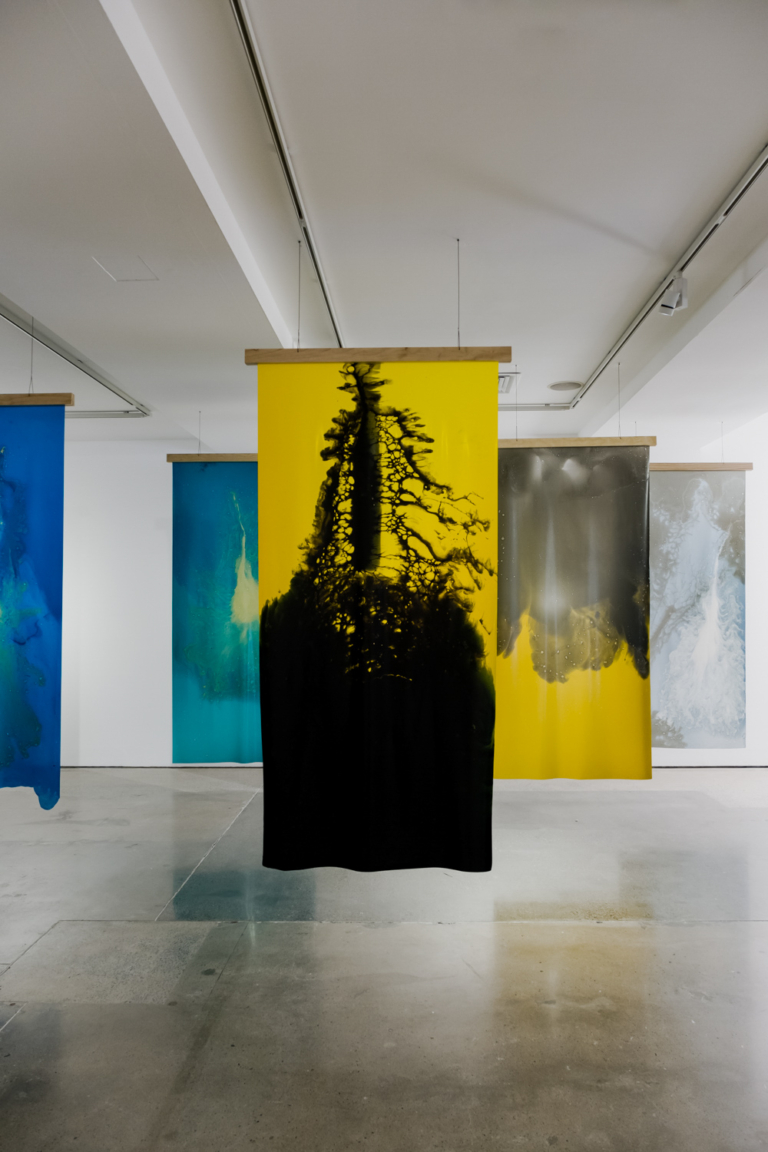
TLP Earlier this year, you presented ‘The Sky We Share’ with Gallery Sally Dan-Cuthbert at the Melbourne Art Fair, and more recently, you participated in Alcova during Milan Design Week. How does taking part in global art and design events propel or inform your work?
GR Working together with Sally Dan-Cuthbert and her team is always a pleasure. The gallery gives us a lot of space and trust to explore ideas and concepts that we feel close to. ‘The Sky We Share’ is a very personal project. The wall pieces were all based on specific moments we experienced near our home and studio in Amsterdam, and we wanted to translate these moments into objects that would travel to my home country, Australia, and have a life of their own. Our participation in Alcova in Milan is also one of these opportunities where we explore new ideas and experimental, larger-scale projects. Last year, we created a solar art installation called Sun Catcher in the old fountain of a large villa. This year, we created an installation called The Garden of Hope – a poetic, site-specific work featuring three large-scale, kinetic glass lighting monoliths that respond to the times we are living in.


TLP Looking forward, how do you see your practice evolving? Are there new mediums, scales or contexts you’re interested in exploring next?
RRB We are actively moving into much larger scale works and integrating a greater sense of kinetic movement into our practice. Ultimately, we hope to enrich the human experience. Our project at Penn1 in New York in 2021 was a major catalyst for this. It was one of our first large-scale public pieces and it sparked a desire in us to push those boundaries even further. We love working on site-specific projects and the challenge of completely transforming a space, but we never do this alone. Our evolution is deeply tied to our collaborations. Whether we are working alongside forward-thinking interior designers, architects or art institutions, it is through these shared visions that our works come to life. We would also love to do a landscape architecture project, where living plants, water and sculptural objects come together to create a meaningful experience.