
Maison Madison
In this kaleidoscopic New York home by Studio Zung, every room is animated by collected objects, art and an intimate sense of lived experience.
The shared affinities between chefs and architects are many: both disciplines demand a devotion to detail and a gift for conjuring experiences that feel almost magical within the rituals of everyday life. It was only natural, then, that when Tommy Zung, founder and principal of Studio Zung, envisioned this New York residence for culinary titan Daniel Humm and his actor-director wife, Annabelle Dexter-Jones, the result unfolded as an intuitive personal narrative at Maison Madison.

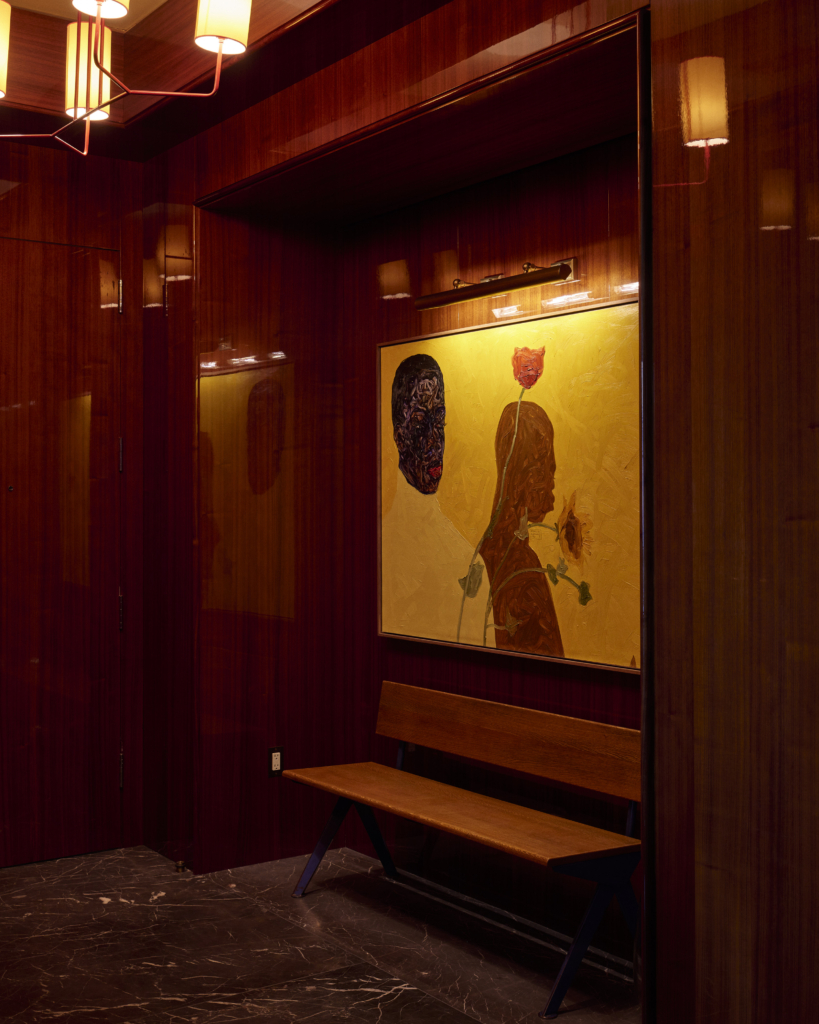
“Our vision focuses on the artful framing of thresholds and architectural niches, transforming them into deliberate passages that evoke mindful discovery.”
Located in the historic district north of Madison Square, the apartment sits within earshot of Eleven Madison Park, Humm’s acclaimed three-Michelin-starred restaurant. Madison Square Park’s greenery provides a living foreground to the dwelling, its hues changing with the seasons – emerald all summer, amber come autumn and pared back beneath winter skies.
Designing for friends dissolves formality, shaped by the rare ease of knowing how someone truly lives and thinks. It’s a sentiment that sits at the heart of Zung’s practice: “The home doesn’t seek attention, it simply reveals itself. Our vision focuses on the artful framing of thresholds and architectural niches, transforming them into deliberate passages that evoke mindful discovery,” he reflects. Set within a landmark Nomad building, the 221-square-metre, two-bedroom apartment has been comprehensively reimagined as a place of refuge for the couple.
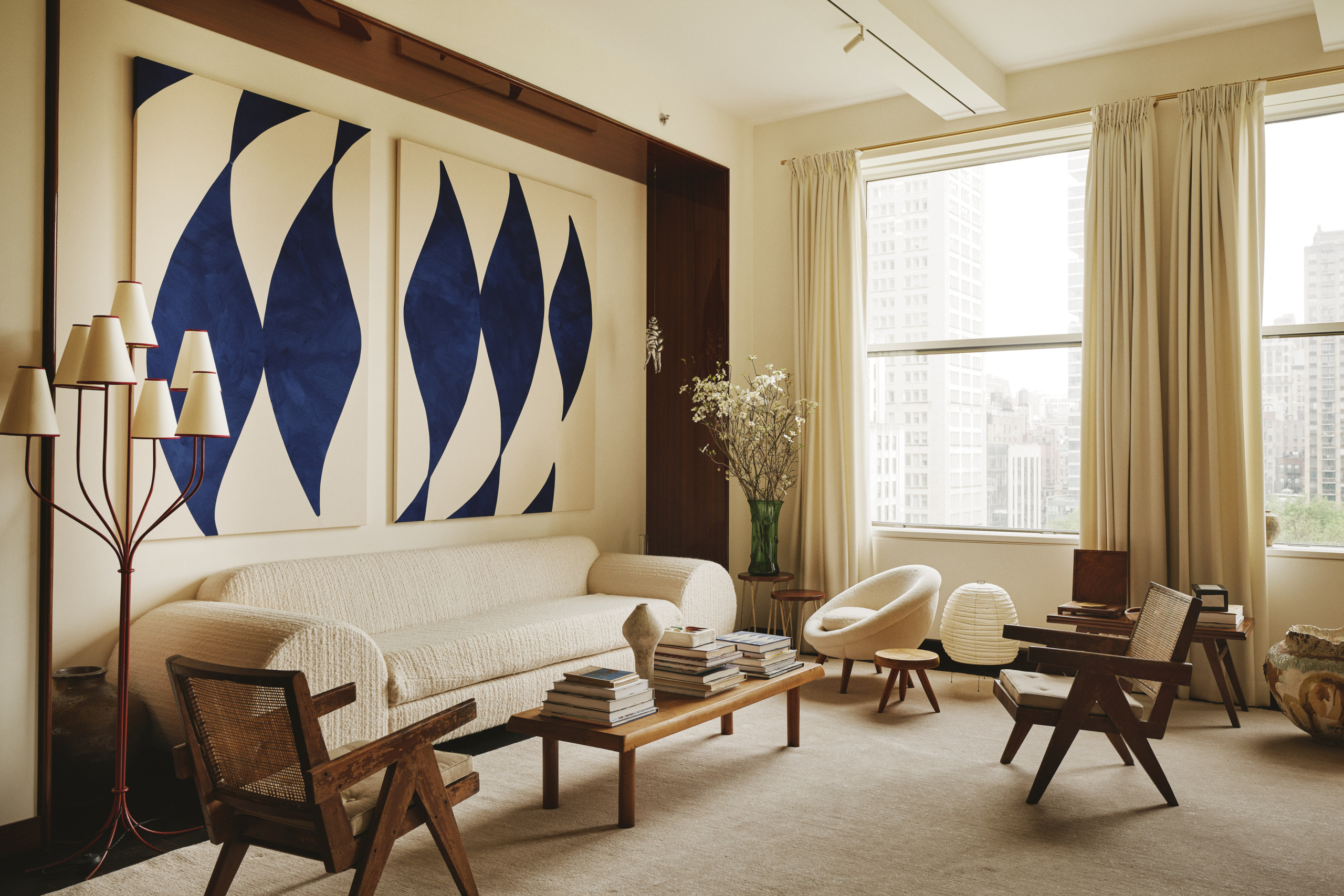
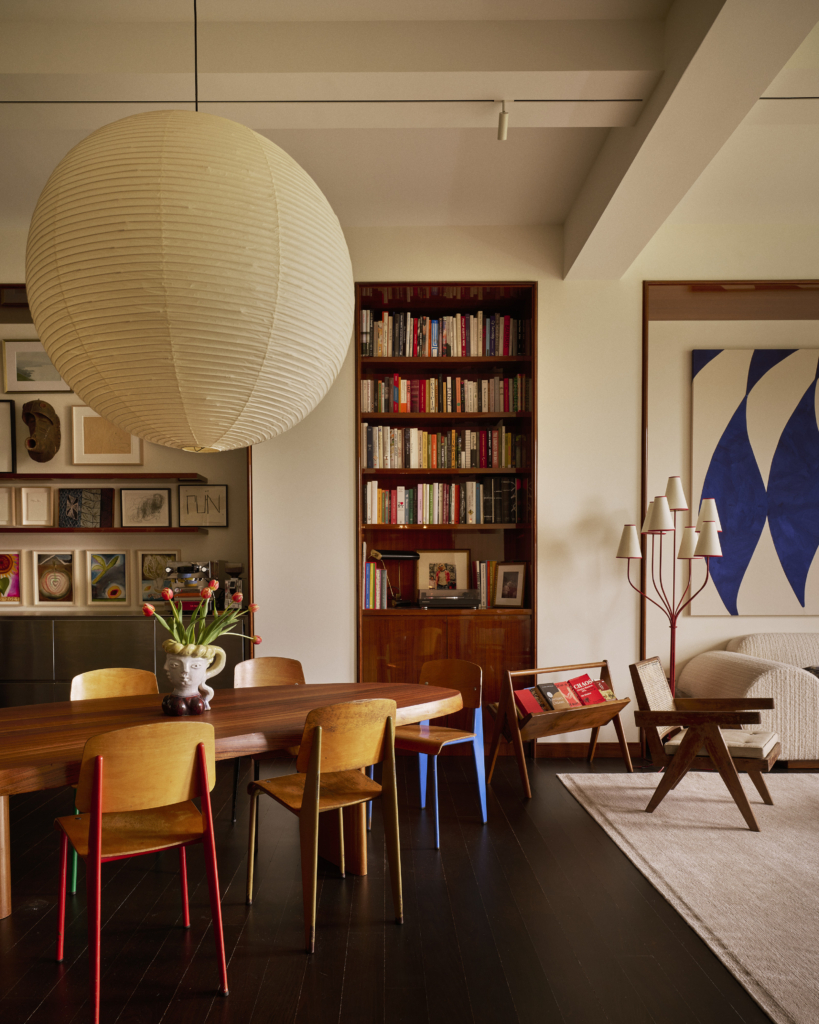
Maison Madison reads as a portrait of a shared life, enriched over time by travel, curious buys and objects that remind Humm and Dexter-Jones of home. Nothing is arbitrary; every piece belongs. Works by design virtuosi including Charlotte Perriand, Pierre Jeanneret, Jean Royère and Isamu Noguchi pepper the apartment, creating serendipitous encounters with vignettes steeped in history. “Both Daniel and Annabelle have an extraordinary sensitivity to detail, atmosphere and experience,” Zung shares. “Our dialogue extended beyond design into art, philosophy and daily rituals to produce a place that held emotional resonance.”
The walnut-lacquered foyer ushers one into the light-filled epicentre of the home: a dining, kitchen and living area conceived as a fluid continuum. Sarah Crowner’s diptych Landscape anchors the living space. Just beyond, a sleight of hand unfolds in the kitchen, where stainless-steel cabinetry by Carbone allows edges to dissolve into the surrounding architecture.
“Our dialogue extended beyond design into art, philosophy and daily rituals to produce a place that held emotional resonance.”


Framing slivers of the storied Flatiron Building, the primary bedroom’s monastic manner is punctuated by Jean Royère’s Polar Bear armchair and stools by B V Doshi and Le Corbusier serving as nightstands. “When Daniel decided to collect early Asian ceramics, the feature wall, with its existing depth, became the perfect showcase,” Zung notes. The result is an abode where objects, light and honest materiality unite with the precision of a compelling dish – crafted with intention, remarkable in effect and best returned to slowly.


