West Coast Modern
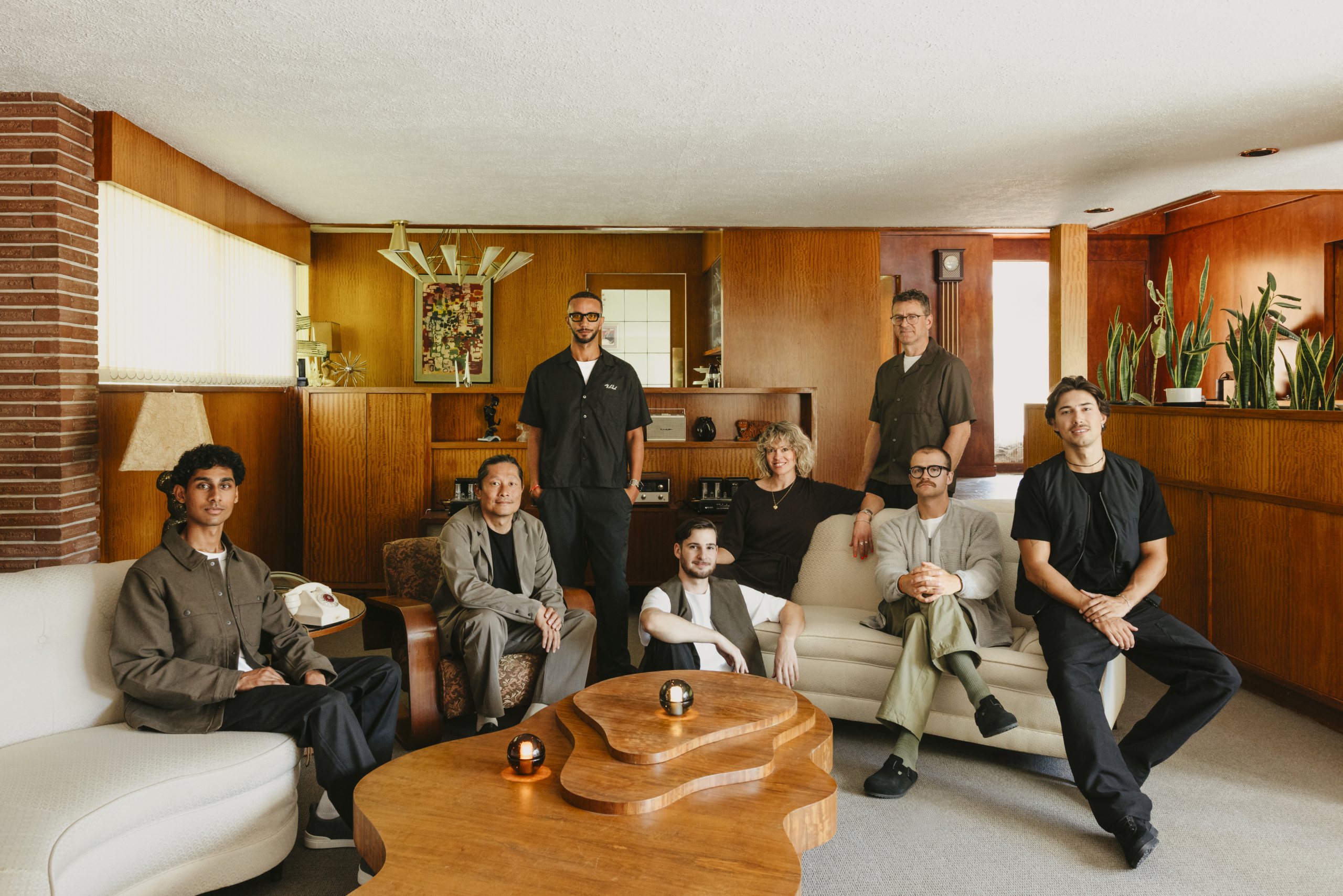
Inspired by the modernist movement introduced to the West Coast of Canada in the 1940s by architects Fred Hollingsworth, Arthur Erickson and Ned Pratt, West Coast Modern agency founders Trent Rodney and Jason Choi built the Vancouver-based company around a single conviction: that the right home, in the right hands, can change the way a person lives. Through curated campaigns and global exposure, West Coast Modern has helped elevate the profile of the vernacular internationally.
Here, the team shares their perspective on Vancouver’s architectural landscape, and why they believe Canada’s most significant homes are only just beginning to find their global audience.
Where is Vancouver’s architectural market heading?
Somewhere genuinely exciting. Vancouver has one of the most significant concentrations of mid-century modern residential architecture in North America, and for a long time it’s been quietly undervalued on the global stage. That’s shifting. We’re seeing a new generation of buyers who understand what these homes represent, not just as real estate but as cultural artefacts. The market is moving toward discernment. Buyers want provenance, intention and permanence. That’s exactly what West Coast Modernism offers.
What makes a home worth hunting for?
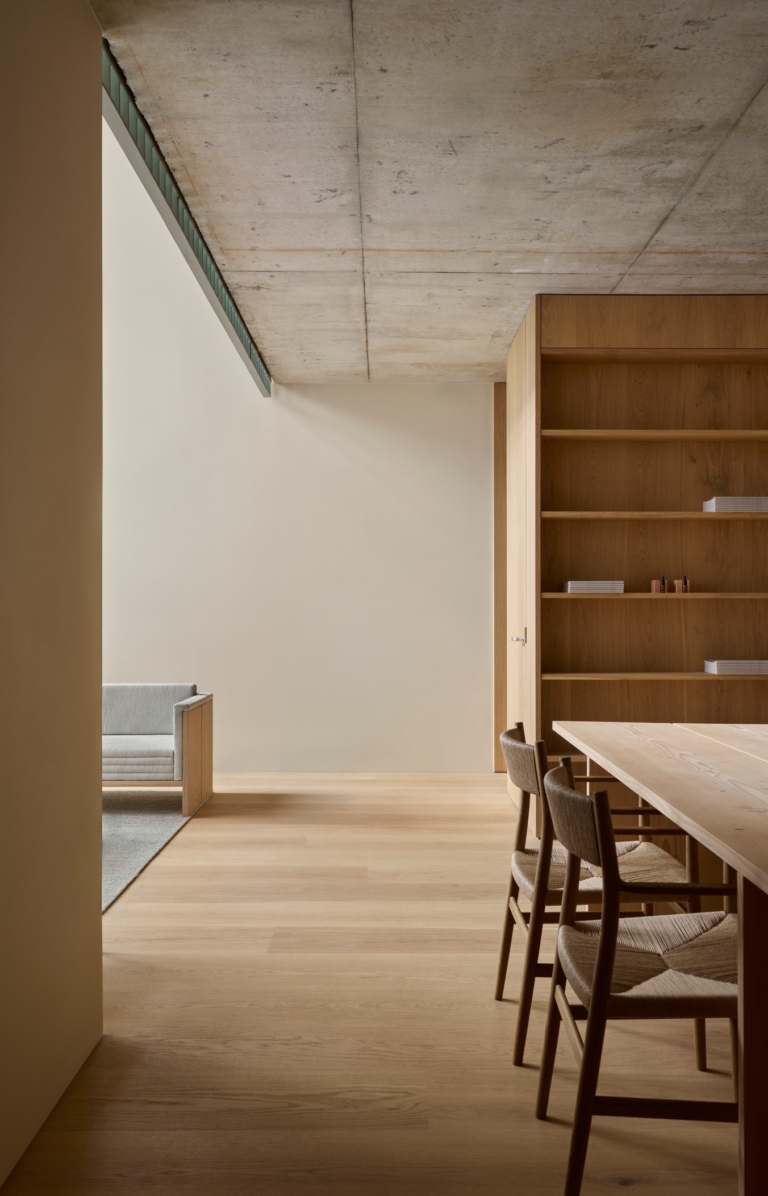
Integrity. We’re looking for homes where every decision – the siting, the materials, the relationship between interior and landscape – was made with genuine conviction. West Coast Modernism was never about spectacle. It was about harmony. When we walk into a home and feel that the architect understood the land, the light and the way people actually live, that’s when we know we’ve found something worth bringing to the world.
What Vancouver neighbourhoods are undervalued from an architectural standpoint?
The North Shore is still largely undiscovered by the broader design community; there are extraordinary post-and-beam homes tucked into forested hillsides that most people outside Vancouver have never seen. Certain pockets of East Vancouver are also emerging, where mid-century bungalows on generous lots are finally being recognised for what they are. The whole province is essentially an open archive. We’ve barely scratched the surface.
What’s your number-one tip for a homeowner considering selling an architectural property?
Find someone who understands what you actually have. An architectural home isn’t a commodity – it has a story, a legacy, and the right buyer is out there specifically looking for it. The mistake is treating it like any other listing. The presentation, the photography, the narrative … everything needs to reflect the home’s true significance. When you do that, the right custodian finds it.
What is the favourite property you’ve sold and why?
The Downs House. A Barry Downs-designed home, just 1,400 square feet [130 square metres] on a waterfront half-acre, that in any previous market cycle would almost certainly have been torn down to make way for something five times the size. The fact that it was saved, that a custodian chose to honour it rather than erase it, is exactly why this company exists. It’s a small house in the best possible sense: precise, considered and completely at one with its site. Selling it felt less like a transaction and more like an act of preservation.